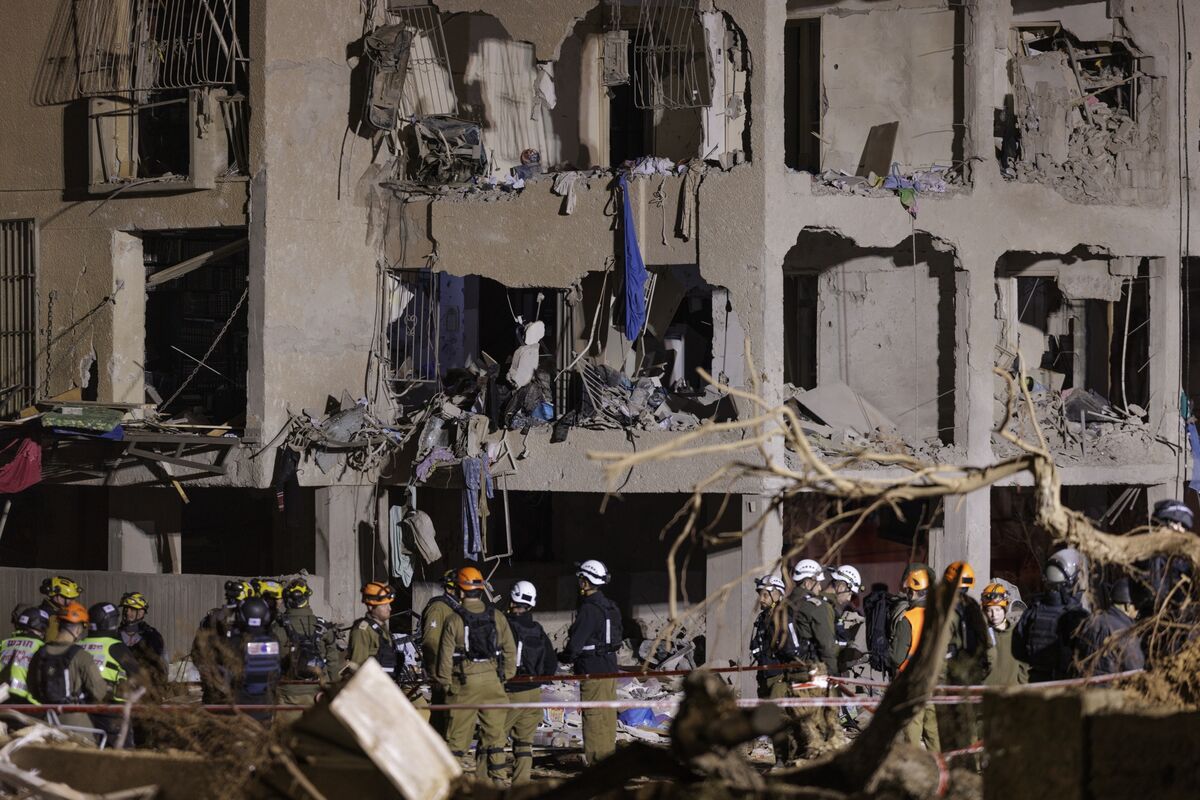
Global Markets Brace for Prolonged Turmoil as Iran Conflict Enters Fourth Week
The opening bell on Monday saw US equity futures whipsaw between gains and losses, setting the stage for yet another session of intense market turbulence. Investors worldwide are grappling with the escalating conflict in Iran, now entering its fourth week with no discernible signs of de-escalation, casting a long shadow over global economic stability.
The Unfolding Crisis: A Deep Dive into Market Volatility
The ongoing conflict, a geopolitical tinderbox that has steadily worsened, is now the primary driver of market jitters. The initial shockwaves have morphed into sustained uncertainty, pushing traders to the brink. What began as an isolated incident has broadened into a regional quagmire, threatening vital shipping lanes, energy supplies, and broader international relations. The lack of a clear resolution timeline is particularly vexing for markets, which abhor uncertainty above all else.
Equity futures, often a barometer for investor sentiment ahead of the official market open, reflect this profound unease. Their erratic swings are a direct response to a barrage of conflicting news, speculation, and the inherent difficulty in pricing in an unpredictable geopolitical event. Every diplomatic statement, every military maneuver, sends ripples through trading screens, causing rapid shifts in asset valuations.
Beyond Equities: Broader Economic Repercussions
While equity markets are front and center, the impact extends far beyond. Oil prices, though not explicitly mentioned in the snippet, are inevitably sensitive to Middle Eastern instability. Any disruption to oil production or transit through critical chokepoints like the Strait of Hormuz could send energy costs soaring, fueling inflation and potentially triggering a global economic slowdown. Commodities like gold, traditionally a safe-haven asset, are likely to see increased demand as investors flee riskier assets.
Furthermore, supply chains, still reeling from recent global disruptions, face renewed threats. Businesses reliant on international trade routes or components sourced from affected regions could experience delays, increased costs, and hampered production. This cascading effect could weigh heavily on corporate earnings and dampen consumer confidence globally.
Investor Strategies in Turbulent Waters
In this environment, prudent investors are re-evaluating their portfolios. Diversification across different asset classes, including bonds and real estate, becomes paramount. A flight to quality, favoring stable companies with strong balance sheets and defensive sectors, is a common strategy during periods of high geopolitical risk. Hedging instruments, such as options and futures, can also be employed to mitigate downside risk. However, the sheer unpredictability of the situation means even seasoned professionals face an uphill battle.
Central banks and governments are also under pressure. While their primary tools are monetary policy and fiscal stimulus, the geopolitical nature of the crisis limits their direct influence. They can, however, provide liquidity to markets, reassure the public, and work towards diplomatic solutions, though the latter often falls outside their immediate purview.
The Road Ahead: Uncertainty Reigns Supreme
As the conflict in Iran drags into its fourth week, the outlook for global markets remains shrouded in uncertainty. De-escalation would undoubtedly bring a sigh of relief and a potential rally, but the path to such an outcome is fraught with obstacles. Conversely, any further escalation could trigger a sharper downturn, pushing economies already on shaky ground towards recessionary pressures.
"NovaPress" will continue to monitor the situation closely, providing in-depth analysis and timely updates as events unfold, helping our readers navigate these turbulent economic waters. The message for investors is clear: vigilance and adaptability will be key in the weeks and months to come.