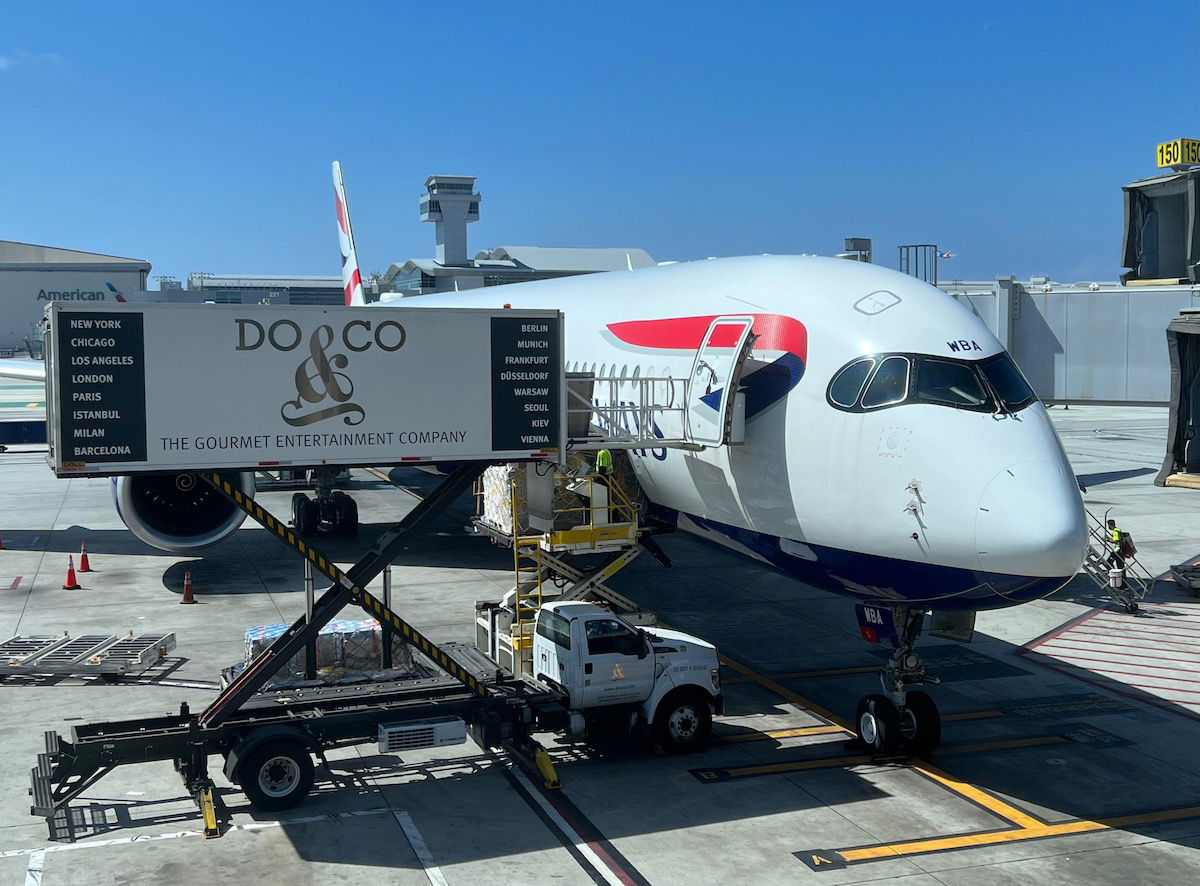
A recent report detailing British Airways' alleged storage of a deceased passenger's body in a galley for over 13 hours has sent ripples through the aviation industry and among the travelling public. Far from being a mere logistical oversight, this incident raises profoundly disturbing questions about airline protocols, passenger welfare, and the very standards of decency expected from global carriers.
The Unspoken Reality: Managing In-Flight Fatalities
While rare, in-flight deaths are an unfortunate reality for airlines operating long-haul routes. Industry guidelines, though often vague and varying by jurisdiction, typically prioritize discretion, respect for the deceased, and minimizing distress to other passengers and crew. Standard procedures might involve moving the body to a less visible area, such as a crew rest compartment or a dedicated storage space, and covering it appropriately. The primary goal is always to maintain dignity while awaiting proper handling upon landing.
The reported British Airways incident, however, appears to deviate dramatically from these expected norms, plunging what should be a somber and respectful procedure into a public health and public relations nightmare.
Thirteen Hours of Discomfort: A Galley's Grim Transformation
According to the report, a deceased individual was allegedly placed in a galley area—a high-traffic zone designed for food preparation and crew operations—for an astonishing thirteen hours. The grim consequence was a "foul odor" that reportedly permeated sections of the cabin, causing significant discomfort and distress among unsuspecting passengers and crew members.
This specific location choice is particularly egregious. Galleys are not designed for cadaver storage, lacking temperature control suitable for long periods and being in constant use. The reported duration and the subsequent odor suggest a catastrophic failure in protocol, potentially exacerbating the decomposition process and creating an intensely unpleasant, if not traumatizing, environment for those onboard.
Wider Repercussions: Passenger Trust, Airline Reputation, and Operational Integrity
Eroding Passenger Trust and Welfare
For passengers, the incident is deeply unsettling. Beyond the immediate physical discomfort of a foul odor, the psychological impact of knowing a deceased body was handled so disrespectfully, and in such proximity, can be profound. It erodes trust in an airline's ability to manage even the most sensitive situations with professionalism and care. The implication for health and hygiene in an area where food is prepared also cannot be overlooked, even if direct contamination is unlikely.
A Blow to British Airways' Brand
British Airways, a carrier often associated with prestige and heritage, now faces a significant reputational crisis. In an age of instant information dissemination, such an incident spreads rapidly, potentially deterring future bookings and damaging its meticulously crafted brand image. The perception of callousness or incompetence, whether justified or not, can have long-lasting financial and public relations consequences.
Scrutiny of Industry Protocols
This incident will undoubtedly prompt a closer look at existing protocols across the entire airline industry. Are current guidelines sufficient? Do crew members receive adequate training for handling such sensitive situations? Are there sufficient dedicated, discreet, and appropriate storage solutions on all aircraft types, particularly for ultra-long-haul flights where such scenarios are more probable?
Aviation authorities and international regulatory bodies may also feel compelled to review and potentially tighten mandates regarding the handling of deceased passengers, moving from discretionary guidelines to more stringent, standardized procedures.
Charting a Path Forward: Dignity, Protocol, and Passenger Care
To restore confidence and prevent similar occurrences, airlines must proactively re-evaluate and, if necessary, overhaul their procedures for in-flight fatalities. This includes:
- Enhanced Training: Equipping cabin crew with clear, compassionate, and practical protocols for managing deceased passengers.
- Designated Storage: Exploring the feasibility of discreet, temperature-controlled, and accessible storage compartments on aircraft, especially those on extended routes.
- Clear Communication: Establishing transparent communication channels with affected passengers and authorities, prioritizing sensitivity and honesty.
- Post-Incident Review: Conducting thorough internal investigations and publicly committing to corrective actions.
A Call for Re-evaluation
The British Airways galley incident serves as a stark and unpleasant reminder that the complexities of air travel extend far beyond take-offs and landings. It underscores the critical importance of human dignity, even in death, and the paramount responsibility of airlines to ensure the welfare and comfort of all on board. This is not just a matter of logistics; it is a fundamental test of humanity and professional integrity that the aviation industry must urgently address.