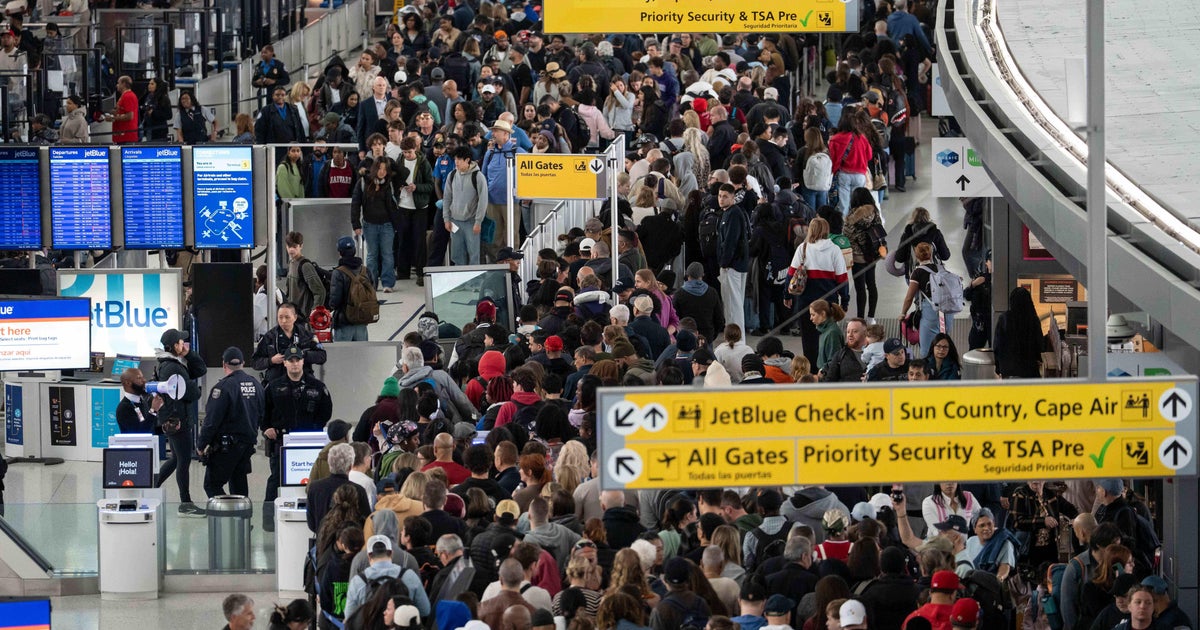
Airport Gridlock & Inter-Agency Jitters: The Unprecedented Deployment of ICE in America's Terminals Amid DHS Shutdown
By NovaPress Staff
The ongoing government shutdown has plunged America's air travel system into an unprecedented state of operational limbo, forcing the Trump administration to deploy Immigration and Customs Enforcement (ICE) agents to assist Transportation Security Administration (TSA) officers at major airports. This dramatic move, announced by President Trump on Sunday, underscores the severe strain on federal agencies and the growing frustration among travelers as wait times balloon and security staffing crumbles.
The Shutdown's Chilling Effect on Travel
For weeks, the partial government shutdown has left hundreds of thousands of federal employees without pay, including many of the nation's dedicated TSA officers. Despite their critical role in national security, these essential workers have been mandated to continue working without compensation, leading to a predictable but devastating ripple effect. Morale has plummeted, and an increasing number of officers have reportedly called out sick, exacerbating already tight staffing levels. The result? Security lanes grinding to a halt, hours-long queues, and widespread flight delays and cancellations impacting millions of Americans.
Airport executives and airline industry leaders have issued dire warnings about the escalating crisis. Major hubs like Atlanta, New York, and Chicago have reported significant operational challenges, with some security checkpoints being temporarily closed due to insufficient personnel. The economic toll on airlines, businesses reliant on air travel, and individual travelers missing connections or appointments is quickly mounting, painting a grim picture of an economy hampered by political deadlock.
ICE to the Rescue? A Closer Look at the Controversial Move
President Trump's announcement to enlist ICE agents into airport security roles represents a significant departure from standard operating procedure and a stark illustration of the administration's scramble to manage the shutdown's fallout. The specifics of the deployment remain somewhat opaque: Will ICE agents undergo rapid training in TSA protocols? Will their duties extend beyond basic queue management to include screening? The primary mandate of ICE agents – immigration enforcement and customs security – differs significantly from the passenger and baggage screening functions of the TSA.
While the stated goal is to alleviate wait times, the move immediately raises questions about inter-agency cooperation, training efficacy, and potential operational challenges. Blurring the lines between enforcement and security roles, especially in highly sensitive airport environments, could introduce unforeseen complexities and even vulnerabilities if agents are not adequately cross-trained for the specific nuances of airport security screening.
Public Perception and Future Implications
Beyond the logistical hurdles, the deployment of ICE agents at airport checkpoints carries significant implications for public perception and traveler experience. For many, the presence of ICE agents evokes concerns about immigration enforcement, potentially creating an atmosphere of anxiety or intimidation for travelers, particularly those from immigrant communities or non-citizens. Critics argue that this move may be perceived as an overreach, further eroding trust between the public and federal agencies.
Moreover, this unprecedented measure is a temporary band-aid, not a long-term solution. It does not address the fundamental issue of underpaid or unpaid essential federal workers, nor does it resolve the political stalemate that triggered the shutdown. Experts warn that unless government funding is restored and TSA officers receive their rightful paychecks, the current crisis will continue to deepen, potentially leading to further erosion of the nation's transportation infrastructure and a broader hit to the economy.
A Call for Resolution
The sight of ICE agents directing passengers and potentially assisting with security checks serves as a stark visual reminder of the shutdown's real-world consequences. It highlights the vulnerability of critical public services to political gridlock and the immense personal and professional sacrifices being made by federal employees. As airport delays persist and the holiday travel season looms, the pressure mounts on Washington to find a swift and sustainable resolution, ensuring that America's skies remain secure and accessible for all.