Unequal Burdens: How a Distant War Fuels Economic Disparity in Colorado's Gas Lines
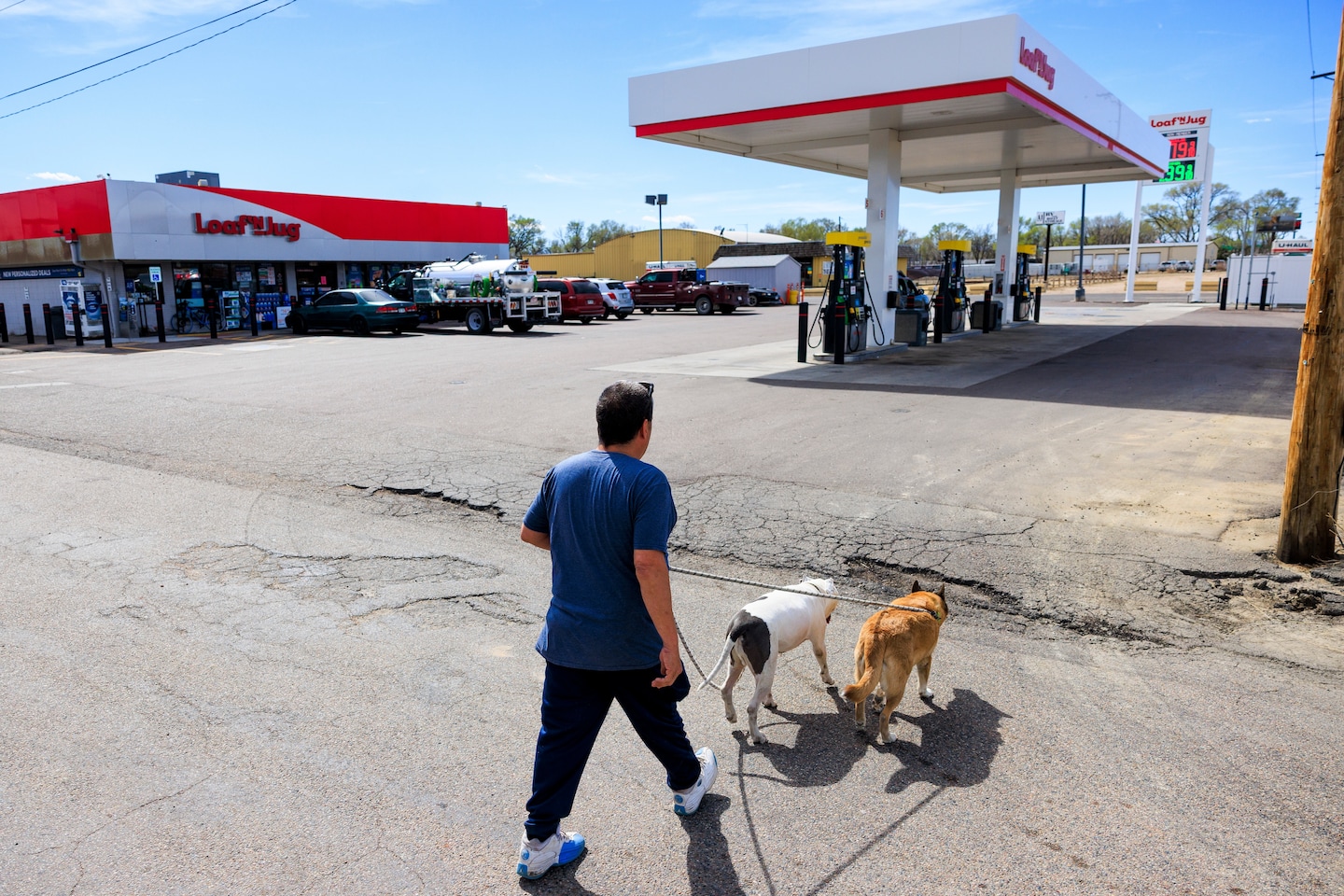
The hum of a fuel pump at a gas station in Pueblo, Colorado, once a mundane sound, has taken on a sharper, more urgent tone. For Zac Grant, a local resident whose truck is essential for navigating Colorado's unpredictable weather and terrain, keeping his tank full was always a sensible precaution. Now, it's a strategic imperative. The recent surge in gas prices, disproportionately affecting Colorado residents, has transformed daily routines into economic calculations, with the distant rumble of the Iran war echoing in every fill-up.
The Ripple Effect: Geopolitics at the Pump
The United States' complex relationship with Iran, particularly the ongoing tensions and sporadic military engagements, exerts a profound, albeit often indirect, influence on global oil markets. Any perceived threat to oil supply lines in the Middle East, a region vital for a significant portion of the world's crude, invariably sends futures prices spiraling. While the actual conflict might be thousands of miles away, the digital dance of commodity trading quickly translates into tangible pain at gas stations from New York to Colorado.
Colorado finds itself in a particularly precarious position. Unlike coastal states with direct access to shipping lanes and larger refinery capacities, landlocked Colorado relies heavily on pipeline infrastructure and a more limited regional supply chain. This structural vulnerability means that when global prices rise, the 'cost of doing business' for bringing fuel to Colorado can amplify the increase, hitting consumers harder than in many other parts of the country. Add to this the state's rugged geography and spread-out communities, where vehicle dependency is high, and the economic squeeze intensifies.
The Disparate Impact: A Tale of Two Drivers
The Washington Post's observation that the impact is 'not equally' felt resonates deeply within Colorado's diverse socioeconomic landscape. For individuals like Zac Grant, who proactively manage their fuel consumption and perhaps have some buffer in their budgets, the challenge is about adapting. They might drive less, consolidate trips, or even switch to more fuel-efficient vehicles if possible. However, for a significant portion of the population, these options are luxuries.
Consider the hourly wage earner with a long commute from a more affordable exurb to a city job, driving an older, less fuel-efficient vehicle. For them, every cent increase at the pump directly erodes their already tight budget. Rising gas prices translate into difficult choices: less money for groceries, delayed medical appointments, or foregoing essential repairs. Small businesses reliant on transportation, from delivery services to construction firms, face escalating operational costs, often passed on to consumers, creating a compounding inflationary pressure that can push local economies to the brink.
Future Implications: Shifting Landscapes
The current gas price shock serves as a stark reminder of the interconnectedness of global events and local economies. Looking ahead, if geopolitical instability persists, the long-term implications for Colorado could be profound. We might see an accelerated shift towards electric vehicles, spurred not just by environmental concerns but by sheer economic necessity. Public transportation initiatives, often underfunded, could gain new urgency. Furthermore, rural communities, already grappling with limited access to services, could face increased isolation as the cost of travel becomes prohibitive.
Policymakers will face growing pressure to address not just the symptoms but the root causes of this vulnerability. This could involve investing in alternative energy infrastructure, diversifying fuel supply chains, or implementing targeted relief programs for the most affected households and businesses. The 'Iran war hitting home' in Colorado is not merely about a few extra dollars at the pump; it's a testament to how global conflicts can exacerbate existing inequalities and demand a re-evaluation of local economic resilience.
Ultimately, the daily ritual of filling up a gas tank in Pueblo has become a microcosm of a larger global struggle, illustrating how international tensions can cascade down to individual budgets, revealing the deep fissures of economic disparity, and urging us to consider the true cost of distant conflicts.