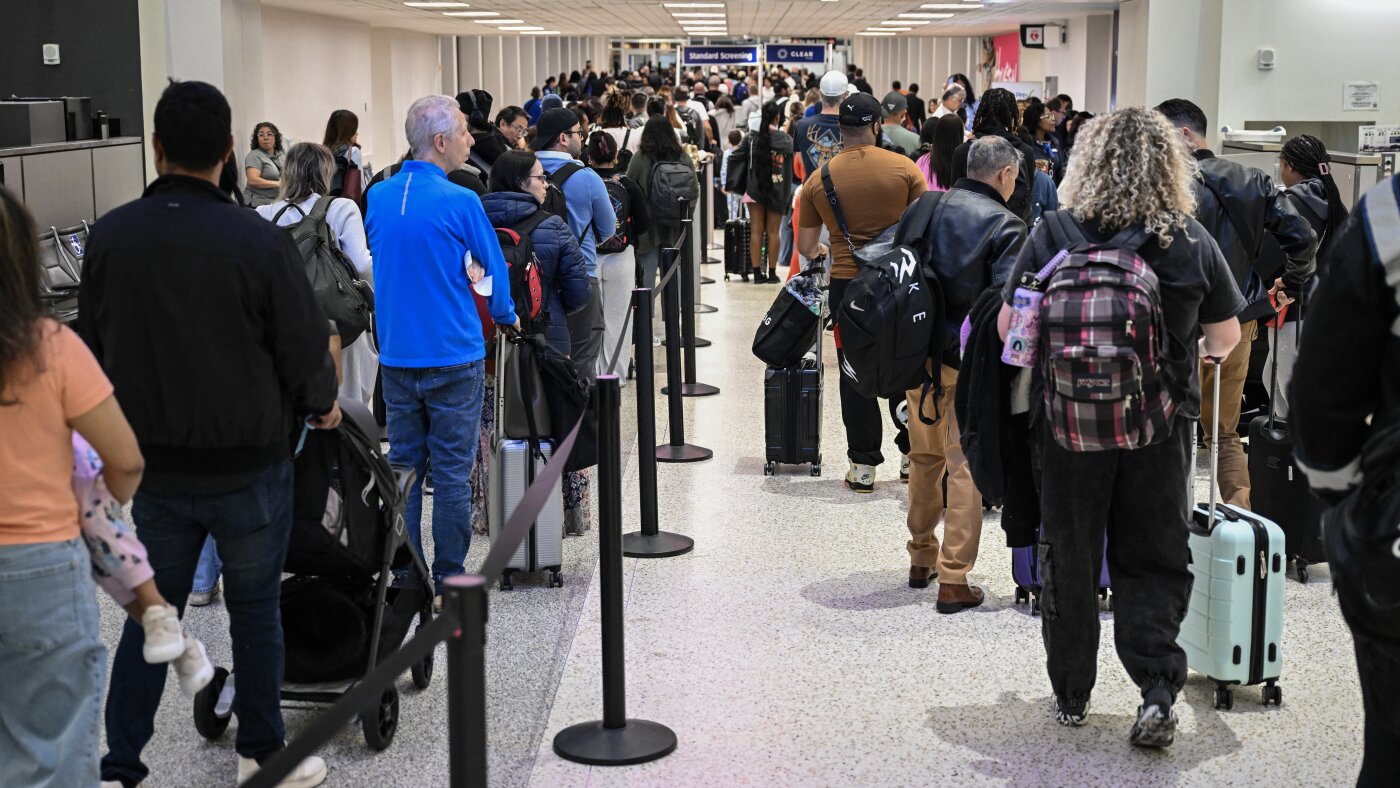
Under Siege: America's Airports Grapple with Shutdown Chaos Amidst Spring Break Rush
As the U.S. plunges deeper into spring break season, a perfect storm of political gridlock and soaring travel demand has converged, transforming what should be a time of leisure into an ordeal of unprecedented airport delays. The root cause? A protracted government shutdown that has left thousands of essential airport security screeners working without pay, pushing America's aviation infrastructure to its breaking point.
The Unseen Burden: Unpaid Labor, Fractured Morale
At the heart of the crisis are the dedicated men and women of the Transportation Security Administration (TSA). These federal employees, crucial to maintaining air travel safety, are part of the Department of Homeland Security – an agency currently operating under the immense strain of a government shutdown. While deemed "essential," their paychecks have ceased, forcing them to continue their demanding work with no immediate financial remuneration.
The implications of this situation are dire. Experts warn that the mental and financial stress on screeners is not merely a humanitarian concern; it's a critical security vulnerability. Fatigue, distraction, and plummeting morale among those responsible for our safety could inadvertently compromise the very integrity of the screening process. Reports of increased sick calls and even resignations suggest a workforce pushed to its absolute limits, creating staffing shortages that directly translate into those agonizingly long lines.
Ripple Effect: Travelers Caught in the Crossfire
For millions of Americans embarking on their much-anticipated spring break journeys, the reality is stark. Airports nationwide are experiencing wait times that stretch for hours, leading to missed connections, cancelled flights, and significant economic losses for travelers. Families are stranded, business trips are disrupted, and the overall confidence in the nation's travel system erodes with each passing day of the shutdown.
Beyond the immediate inconvenience, the psychological toll is palpable. The frustration of standing in endless queues, coupled with the anxiety of potentially missing a flight, transforms the travel experience from exciting to exasperating. Travel experts are universally advising passengers to arrive significantly earlier than usual, prepare for extensive waits, and exercise extreme patience – counsel that underscores the extraordinary nature of the current disruptions.
A Broader Crisis: Political Stalemate and Public Services
This airport chaos is merely a prominent symptom of a deeper governmental dysfunction. The standoff in Washington over funding mechanisms has paralyzed crucial federal operations, extending far beyond airport security to impact other public services and agencies. The Department of Homeland Security, a vast umbrella organization, finds itself at the forefront of this political battle, with its employees, and by extension, the American public, bearing the brunt.
The current scenario serves as a stark reminder of the fragility of essential public services when political will falters. The longer the shutdown persists, the greater the erosion of trust in governmental efficacy and the more profound the long-term damage to the agencies and their dedicated workforces.
Future Implications: A Precarious Precedent
The trajectory of this crisis is deeply concerning. Officials have explicitly warned that "airport disruptions and delays could get even worse" until a resolution is reached. This isn't just a temporary inconvenience; it sets a precarious precedent for how essential services are treated during political impasses. The cumulative effect of stressed, unpaid workers, combined with an ever-increasing demand for air travel, paints a grim picture for the stability and efficiency of future travel seasons.
Economically, the travel and tourism industry, a significant contributor to the U.S. GDP, faces considerable headwinds. Beyond the immediate losses from missed flights, a decline in traveler confidence could lead to reduced bookings and long-term damage to a sector heavily reliant on smooth operations. The ripple effects could extend to hotels, restaurants, and local economies dependent on tourism.
Navigating the Uncertainty: What Travelers Can Do
While the ultimate solution lies with lawmakers, travelers are left to navigate the immediate challenges. Advisories suggest arriving at airports three hours before domestic flights and even earlier for international travel. Utilizing TSA PreCheck or Clear where available can offer some reprieve, though even these expedited lines are not immune to the broader staffing issues. The most crucial advice remains preparedness and, above all, an abundance of patience.
A Call for Resolution
The spectacle of frustrated travelers and uncompensated essential workers underscores the urgent need for a political resolution. America's aviation system, a critical artery of its economy and society, cannot function indefinitely under such duress. The long lines at security checkpoints are more than just an inconvenience; they are a tangible manifestation of a government in paralysis, demanding immediate and decisive action from its leaders.