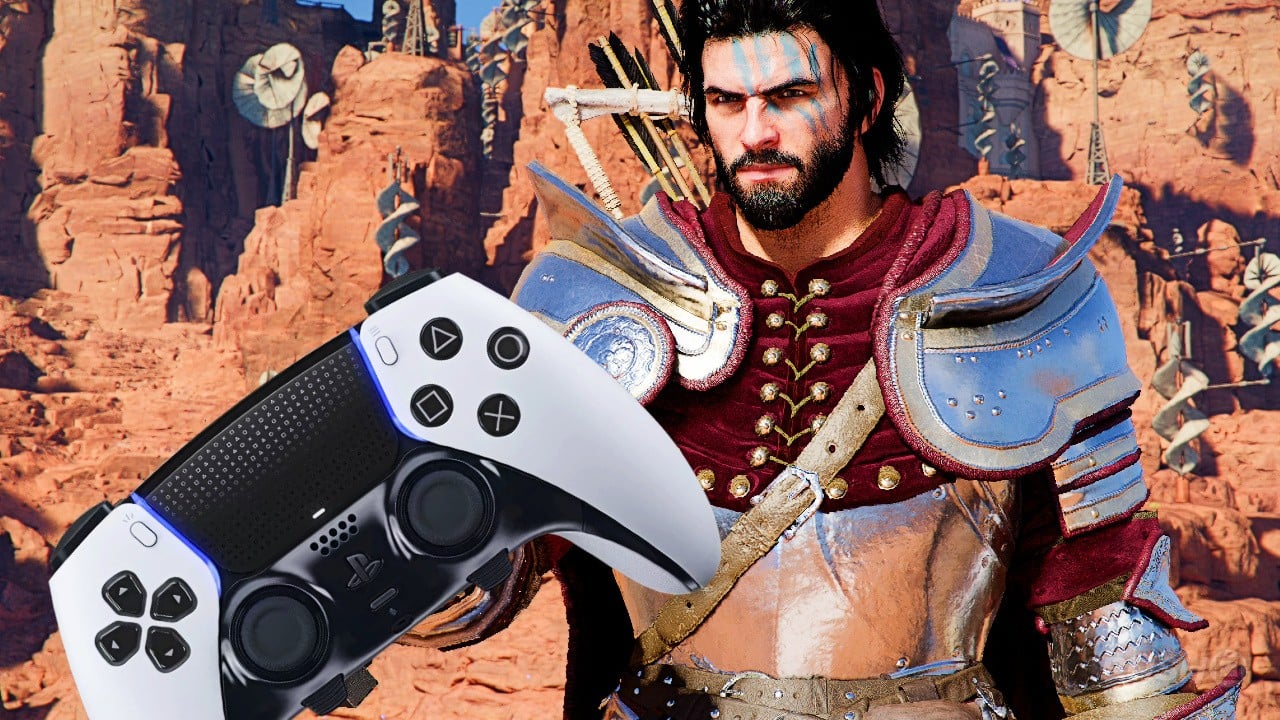
Crimson Desert's Control Conundrum: Can a Swift Patch Redeem PS5's Ambitious RPG?
The gaming world often anticipates new RPGs with bated breath, especially those promising sprawling worlds and epic narratives on next-gen consoles. Pearl Abyss's Crimson Desert for the PS5 was no exception, generating considerable hype with its visually stunning trailers and ambitious scope. However, the initial launch has been marred by a significant, and surprisingly fundamental, flaw: its control scheme. In a candid and swift response, the developers have acknowledged and apologized for the 'uncomfortable' controls, promising a day-one patch. This immediate developer engagement raises critical questions about modern game development, player experience, and the very definition of a polished launch.
The Unwieldy Gauntlet: Why Controls Matter So Much
For an action RPG, the fluidity and intuitiveness of character control are paramount. Players spend countless hours navigating environments, engaging in combat, and interacting with the game world. If the fundamental act of moving and acting feels clunky or counter-intuitive, it can quickly sour the entire experience, regardless of how beautiful the graphics or how compelling the story might be. The feedback for Crimson Desert has been particularly harsh, drawing comparisons to the 'worst of Rockstar's releases' and being described as 'even more cumbersome'. This isn't merely a matter of personal preference; it suggests a fundamental design oversight that hinders basic gameplay.
The source report indicates that the controls are not just awkward but actively 'uncomfortable'. This implies a level of physical friction between player input and on-screen action that breaks immersion and frustrates, rather than engages. In a genre where precise timing, strategic positioning, and responsive dodging can be the difference between victory and defeat, a cumbersome control scheme can render even the most skilled players inept and disengaged.
A Developer's Apology: Humility or Haste?
The swift apology from the Crimson Desert development team is, in itself, noteworthy. In an era where game launches are often plagued by bugs and performance issues, and developer responses can range from defensive to delayed, Pearl Abyss's prompt acknowledgment of a core gameplay flaw is a refreshing display of humility. It signals an understanding of player frustration and a commitment to rectify the situation quickly. This immediate action is crucial for mitigating negative sentiment and preventing early adopters from abandoning the game entirely.
The Shadow of Rockstar's Past
The comparison to Rockstar's control schemes is particularly damning. While Rockstar's titles are celebrated for their open worlds and narrative depth, their control interfaces, especially in earlier titles like Grand Theft Auto III or even Red Dead Redemption, often required a significant learning curve and could feel less fluid than contemporary action games. For Crimson Desert to be labeled 'even more cumbersome' suggests a design that fundamentally misjudges player expectations for modern action RPGs, where seamless interaction is often a given.
The Road Ahead: Patching the Player Experience
A day-one patch targeting controls is a double-edged sword. On one hand, it demonstrates rapid responsiveness and a commitment to player satisfaction. On the other, it begs the question of why such a critical aspect wasn't refined during the extensive development and quality assurance phases. While performance issues or minor bugs can be overlooked in the initial hours, a fundamentally flawed control scheme affects every single minute of gameplay.
The success of this patch will be pivotal. It's not just about fixing bugs; it's about fundamentally re-evaluating and re-designing an interaction model. Will the patch be comprehensive enough to transform the 'uncomfortable' into the intuitive? Can player muscle memory, already potentially frustrated, be retrained? The developer's ability to deliver a genuinely improved experience will determine if Crimson Desert can shake off this inauspicious start and live up to its ambitious potential.
Lessons for the Industry
The Crimson Desert situation serves as a stark reminder for the entire game development industry. While stunning visuals and expansive worlds capture headlines, the bedrock of player enjoyment often lies in the most basic interactions. Intuitive controls, robust UX/UI, and seamless core gameplay loops are non-negotiable, especially for complex genres like RPGs. Early and extensive playtesting with diverse player groups is essential to catch such glaring issues before launch. A reactive approach, while commendable in its speed, ultimately reflects a proactive failure in quality assurance.
In conclusion, Crimson Desert finds itself at a critical juncture. Its visual splendor and world-building promise a rich experience, but its initial control woes threaten to overshadow these achievements. The promised patch is a lifeline, but its success will hinge on whether Pearl Abyss can truly overhaul a fundamental aspect of the game and convince players that their journey through the crimson sands will, at last, be an enjoyable one. NovaPress will be keenly observing the impact of this update.