Unearthing the Megafauna Architects: South America's Ancient Sloth Tunnels Rewrite Prehistory
Deep beneath the verdant hills and sprawling pampas of southern Brazil and northern Argentina lies a secret that defies conventional understanding: an intricate network of massive tunnels, unlike anything ever attributed to human hands or geological forces. These subterranean marvels, carved into solid rock, are now pointing towards an astonishing architect: the colossal ground sloths of the Ice Age, forcing a radical re-evaluation of ancient animal behavior and Earth's prehistory.
The Unprecedented Discovery: Not Human, Not Nature
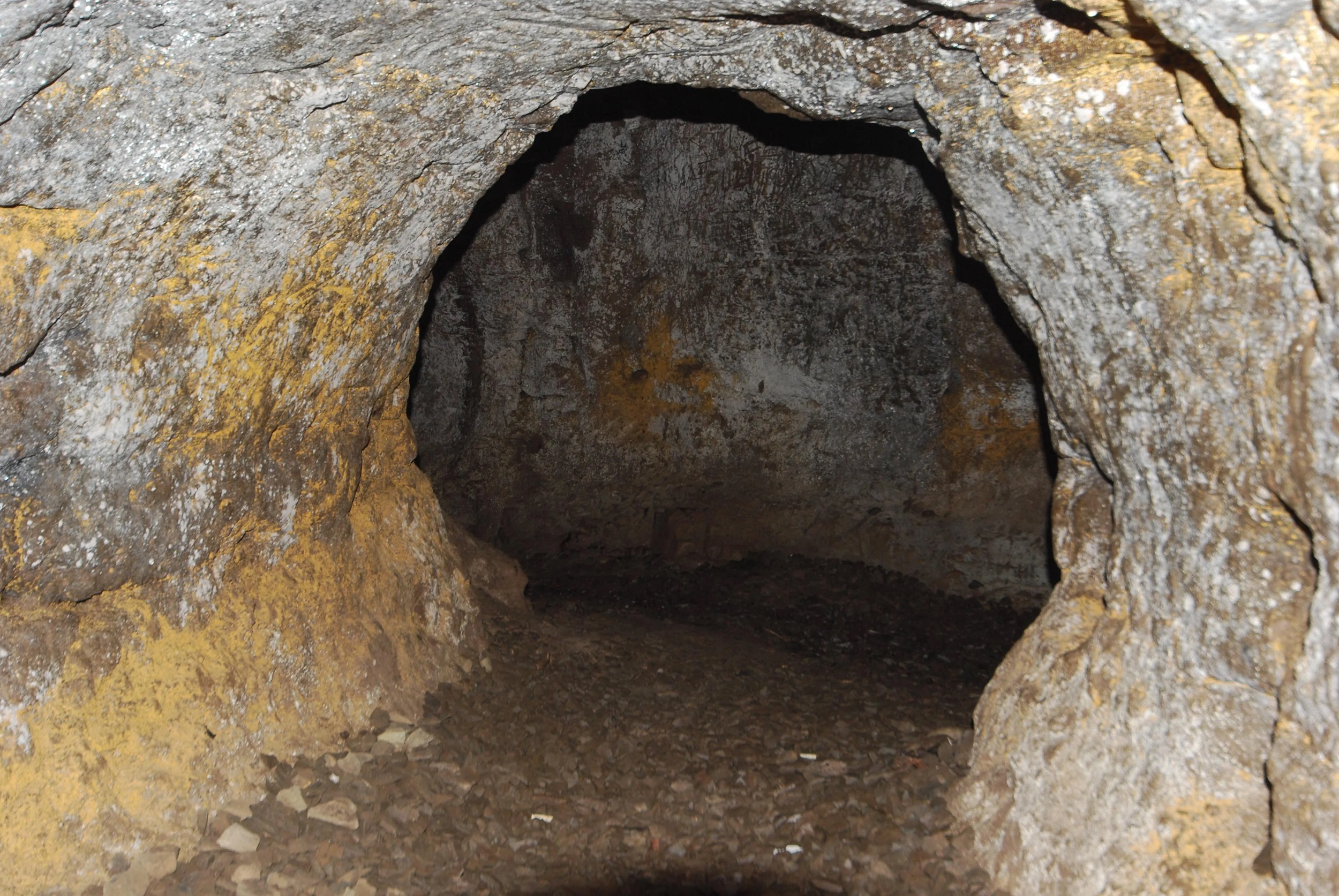
For decades, scattered reports of strange tunnels in these South American regions were often dismissed as obscure geological formations or forgotten mining attempts. However, as scientists began systematic explorations, the sheer scale and distinct characteristics of these structures — now termed 'paleoburrows' — revealed something far more profound. Unlike natural caves or fissures, these tunnels exhibit clear, purposeful excavation marks, consistent diameters, and often complex branching patterns. Their dimensions are staggering; some stretch for hundreds of meters, with ceilings high enough to comfortably accommodate a human standing upright, and in certain cases, even a small car.
The critical observation separating these from both human activity and natural processes lies in the meticulous analysis of their construction. There's no evidence of tools or organized labor typical of ancient human societies, nor the chaotic, unpredictable forms of tectonic shifts or water erosion. Instead, the walls bear distinct claw marks, grooves, and polished surfaces – tell-tale signs of immense, powerful animals digging and scraping.
The Prime Suspects: Ice Age Giants
The leading hypothesis, supported by a growing body of evidence, points to the megafauna that roamed South America during the Pleistocene epoch – specifically, giant ground sloths. These awe-inspiring creatures, such as Megatherium, Eremotherium, and Glossotherium, were behemoths, some reaching sizes comparable to modern elephants, weighing several tons, and possessing powerful limbs tipped with formidable claws.
While modern sloths are famously slow arboreal creatures, their ancient ground-dwelling relatives were anything but delicate. Their massive claws, once thought primarily for stripping foliage or defense, now appear to have been perfectly adapted for excavating vast quantities of earth and even softer rock. The scale of the tunnels aligns perfectly with the bodily dimensions of these colossal sloths, suggesting they served as elaborate, multi-chambered burrows for shelter, refuge from predators, or stable microclimates during fluctuating Ice Age temperatures.
Rewriting the Manual on Ancient Animal Behavior
This discovery fundamentally challenges our understanding of animal intelligence and engineering capabilities in the ancient world. While various species today construct burrows, from simple holes to complex termite mounds, the sheer architectural ambition and permanence of these paleoburrows suggest a level of organized, sustained effort previously unimaginable for non-hominid mammals. It implies complex social structures, territoriality, and an advanced capacity for modifying their environment that pushes the boundaries of ethological science.
The existence of such extensive subterranean networks could have also played a crucial role in the survival and distribution of these megafauna. Providing stable temperatures, protection from harsh weather, and sanctuary from predators like saber-toothed cats, these burrows would have been vital assets in a dynamic Ice Age landscape. They might even hold clues to understanding why some of these species ultimately went extinct, and others survived longer.
Future Implications and Unanswered Questions
The investigation into these enigmatic tunnels is far from over. Scientists are now employing advanced dating techniques to pinpoint the exact age of these structures, along with detailed forensic analysis of the claw marks to potentially identify specific species of sloths responsible. The geological context is also critical; understanding how these animals managed to tunnel through such varied substrates, including seemingly solid rock, offers new insights into ancient geology and sediment properties.
Beyond the immediate scientific community, these discoveries spark broader questions about hidden histories beneath our feet. How many more such structures lie undiscovered? Could similar paleoburrows exist on other continents, created by other extinct megafauna? This emerging field of 'paleoichnology' – the study of fossil traces – is set to revolutionize our understanding of animal life during the Pleistocene and earlier epochs.
A Glimpse into a Lost World
The giant tunnels of South America are more than just archaeological curiosities; they are a tangible link to a lost world, a testament to the incredible ingenuity and power of creatures that once dominated the Earth. As NovaPress continues to follow these unfolding discoveries, we are reminded that even in our modern, technologically advanced age, the planet still holds secrets capable of overturning long-held beliefs and igniting our collective imagination.