Helium's Unseen Crisis: How the Iran War Threatens the Foundation of Global Technology
The shadow of geopolitical conflict often casts long, unpredictable ripples across the global economy. While the world's attention frequently fixates on oil and gas prices, a lesser-known but equally critical commodity is now at the epicenter of a looming crisis: helium. Recent attacks by Iran on Qatar's natural gas export facilities have not only disrupted energy markets but have also critically endangered the global supply of helium, a gas indispensable to virtually every advanced technological sector.
Qatar: The Unsung Pillar of Global Helium Supply
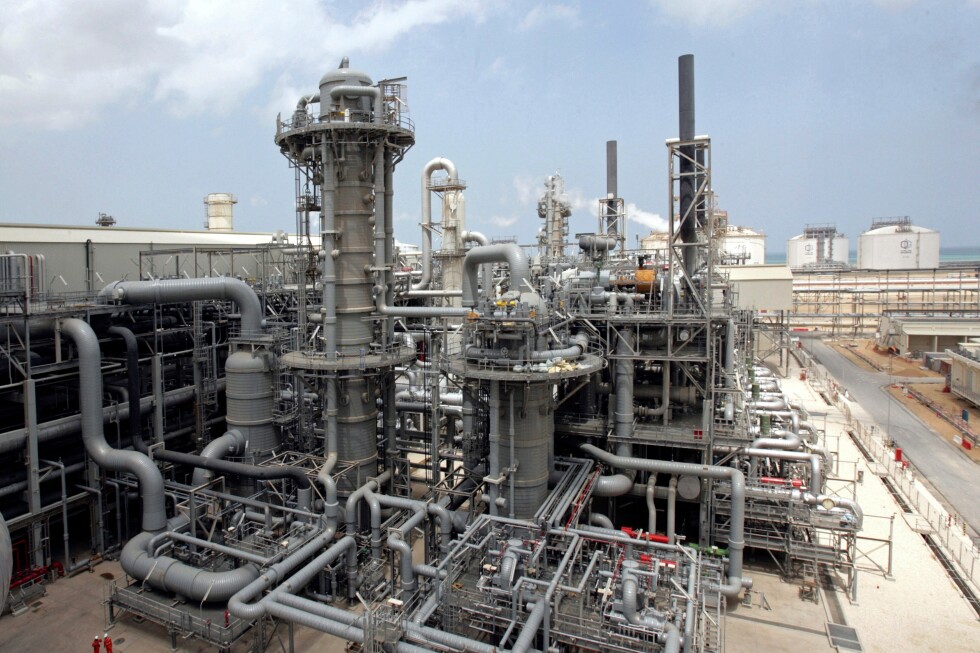
Qatar, a small but strategically vital nation, is one of the world's largest producers of helium. Unlike many elements, helium is a non-renewable resource, primarily extracted as a byproduct during the processing of natural gas. Qatar's substantial natural gas reserves, particularly from the North Field, have made it a cornerstone of global helium production, fulfilling a significant portion of the world's demand.
This week's strikes, which have reportedly damaged Qatar's main facilities, are not merely an energy concern. They represent a direct hit on the global supply chain for a gas that plays a silent yet foundational role in modern life. The immediate halt in production, as confirmed by Qatar, signals a severe bottleneck that could reverberate for months, if not years.
The Indispensable Gas: Why Helium Matters More Than You Think
Helium is not just for party balloons. Its unique properties – extremely low boiling point, non-reactivity, and high thermal conductivity – make it irreplaceable in numerous high-tech applications:
- Semiconductor Manufacturing: Critical for cooling and creating inert environments during the production of microchips, the brains of all modern electronics. A helium shortage could directly impede the manufacturing of everything from smartphones to AI processors.
- Medical Technology: Essential for cooling the superconducting magnets in MRI (Magnetic Resonance Imaging) scanners. Hospitals rely on a steady supply to conduct vital diagnostic procedures.
- Fiber Optics: Used in the production of optical fibers that form the backbone of the internet, ensuring high purity and quality.
- Space Exploration & Research: Utilized to purge rocket fuel tanks, in advanced cryogenics, and in scientific research requiring extremely low temperatures.
- Welding & Industrial Applications: Provides an inert atmosphere for specific types of welding and manufacturing processes.
Tightening Global Tech Supply Chains: A Looming Crisis
The global tech industry, still grappling with the lingering effects of the post-pandemic supply chain disruptions, now faces another formidable challenge. A significant cut in helium supply from Qatar will undoubtedly lead to price spikes, extended lead times, and potentially severe production delays across multiple sectors. Semiconductor fabs, already operating at razor-thin margins and high demand, will be particularly vulnerable.
"The interconnectedness of our global supply chains means that a conflict in one region can have unforeseen and profound impacts on industries thousands of miles away. Helium is a perfect illustration of this delicate balance."
For consumers, this could translate into higher prices for electronic devices, longer waits for repairs, and even delays in crucial medical diagnostics. Innovation itself could slow if the fundamental resources for cutting-edge research and development become scarce and prohibitively expensive.
Diversification and Resilience: The Path Forward
The current crisis underscores the urgent need for greater supply chain resilience and diversification of critical resources. While other helium sources exist (notably the United States, Algeria, and Russia), Qatar's prominent role means its disruption leaves a substantial void that cannot be easily or quickly filled. Strategic reserves, investment in alternative extraction methods, and international cooperation to secure diverse supply routes will become paramount.
As the Iran war continues to unfold, its impact reaches far beyond the immediate conflict zone. The silent crisis of helium supply serves as a stark reminder of the fragile dependencies that underpin our technologically advanced world, urging policymakers and industry leaders to prioritize robust, resilient global supply chains for even the most obscure, yet essential, elements.