Beyond the Step Count: Google's AI Ambition for Fitbit and the Revolution of Personalized Health
"This isn't your father's Fitbit." Those words from Mashable perfectly encapsulate the seismic shift underway at Google, as the tech giant prepares to imbue Fitbit with artificial intelligence and integrate it with your most intimate data: your medical records. What began as a simple step tracker is rapidly evolving into a sophisticated AI-powered health companion, promising a future of unprecedented personalized wellness—and raising profound questions about privacy, ethics, and the very nature of healthcare.
From Pedometer to Predictive Powerhouse: The Evolution of Fitbit
Fitbit entered the market as a pioneer in wearable technology, initially captivating users with its ability to track steps, sleep, and basic activity levels. Its appeal lay in its simplicity and the gamification of fitness. However, the vision always extended further. With Google's acquisition in 2021, the stage was set for a transformation from a consumer gadget company to a formidable player in digital health.
Google's strategic move wasn't just about market share; it was about data. The vast, continuous stream of biometric data collected by Fitbit devices, when combined with Google's formidable AI capabilities, presents an unparalleled opportunity to create a truly personalized health ecosystem. This isn't just about counting calories anymore; it's about understanding your body on a molecular level, predicting health trends, and offering proactive interventions.
The AI Core: What Does "Smart" Health Really Mean?
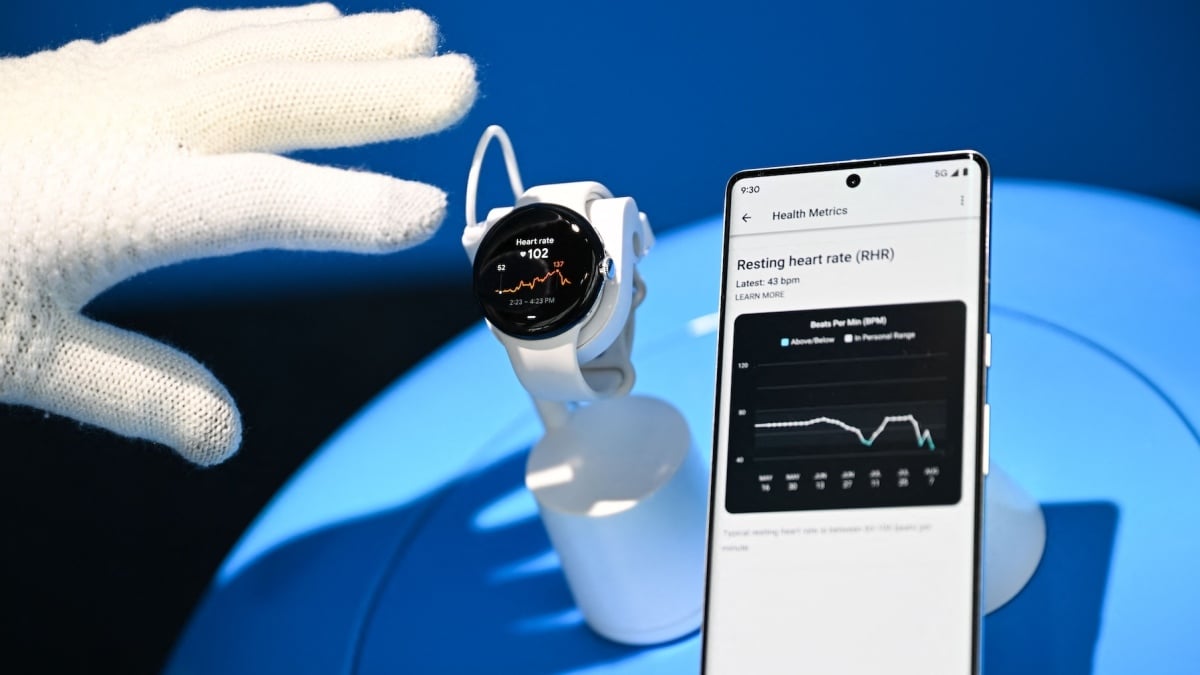
The integration of AI into Fitbit means moving beyond raw data display. Instead of merely showing you your heart rate, AI will analyze patterns, compare them against population data and your historical baselines, and detect anomalies that could signal early onset of disease. Imagine a Fitbit that not only tells you your sleep quality but also identifies subtle changes over weeks that might indicate stress, an emerging illness, or even a predisposition to certain conditions.
This AI could power:
- Predictive Analytics: Forecasting potential health issues before symptoms even appear.
- Personalized Interventions: Offering tailored advice on diet, exercise, and stress management based on your unique physiological responses.
- Proactive Alerts: Notifying you and, with your consent, your healthcare provider, of critical changes like irregular heart rhythms (AFib detection is already a feature, but AI can deepen this).
- Symptom Correlation: Connecting your activity levels, sleep patterns, and heart rate variability with self-reported symptoms to provide more accurate diagnostic clues.
The Medical Record Frontier: A Holistic Health Profile
The truly game-changing—and most controversial—aspect is the proposed integration of your medical records. This moves Fitbit from a wellness device to a comprehensive health management platform. By linking real-time biometric data with your Electronic Health Records (EHRs)—doctor's notes, lab results, prescriptions, imaging reports—Google aims to create a holistic, dynamic picture of your health.
Benefits are immense:
- Informed Decisions: Doctors gain access to continuous, real-world data, enabling more accurate diagnoses and treatment plans.
- Optimized Care: AI can cross-reference your wearable data with your medical history to identify drug interactions, recommend preventative screenings, or flag potential complications.
- Empowered Patients: You would have a single dashboard combining your daily metrics with your medical history, fostering greater understanding and engagement with your health.
Navigating the Ethical Minefield: Privacy, Security, and Trust
This ambitious vision, however, is fraught with significant challenges, primarily revolving around data privacy and security. Medical records are among the most sensitive personal information. Integrating them with a device and platform owned by a data-driven advertising giant like Google raises immediate red flags for privacy advocates and consumers alike.
- Data Security: The risk of breaches is paramount. A compromise of this integrated system would expose an unprecedented trove of personal health data.
- User Consent & Control: How will Google ensure truly informed consent? Will users have granular control over what data is shared, with whom, and for what purpose?
- Algorithmic Bias: AI models, if not trained on diverse datasets, can perpetuate and even amplify existing health disparities.
- Commercialization of Health Data: The fear that this data, even anonymized, could be used for purposes beyond direct health improvement, such as targeted advertising or insurance risk assessment, is a major concern.
- Regulatory Hurdles: Strict regulations like HIPAA in the US and GDPR in Europe govern health data. Google must demonstrate impeccable compliance and robust safeguards.
Building and maintaining public trust will be paramount. Google must be transparent about its data practices, invest heavily in cybersecurity, and empower users with unambiguous control over their health information.
The Future of Proactive Health: A Paradigm Shift
Despite the challenges, the potential for this AI-powered, medical record-integrated Fitbit to revolutionize healthcare is undeniable. We are on the cusp of a paradigm shift from reactive treatment to proactive prevention. Imagine a world where your wearable device flags early signs of diabetes months before it manifests, prompting lifestyle changes that avert the disease entirely. Or where your doctor receives alerts about potential cardiac events before they become critical.
Google's vision for Fitbit represents a bold leap into the future of digital health. It promises to transform our relationship with our bodies, empower us with unprecedented health insights, and fundamentally alter how healthcare is delivered. The question remains: Are we, as a society, ready to embrace the benefits while vigilantly safeguarding the privacy and autonomy that such powerful technology demands?
By The NovaPress Editorial Team