The Resurgence of Weird: Absynth's Comeback and the Future of Expressive Sound Design
After a sixteen-year hiatus, Native Instruments has pulled back the curtain on the long-awaited return of Absynth, a synth plugin whose enigmatic power and unique sound design capabilities have fostered a dedicated cult following for decades. This isn't merely a nostalgic re-release; Absynth is back, revitalized with modern features like MPE (MIDI Polyphonic Expression) and an astonishing collection of new presets from legendary figures Brian Eno and avant-garde synth wizard Kaitlyn Aurelia Smith. NovaPress delves into what this revival means for sound designers, electronic musicians, and the very landscape of digital synthesis.
A Legacy Forged in Sound: Understanding Absynth's Original Impact
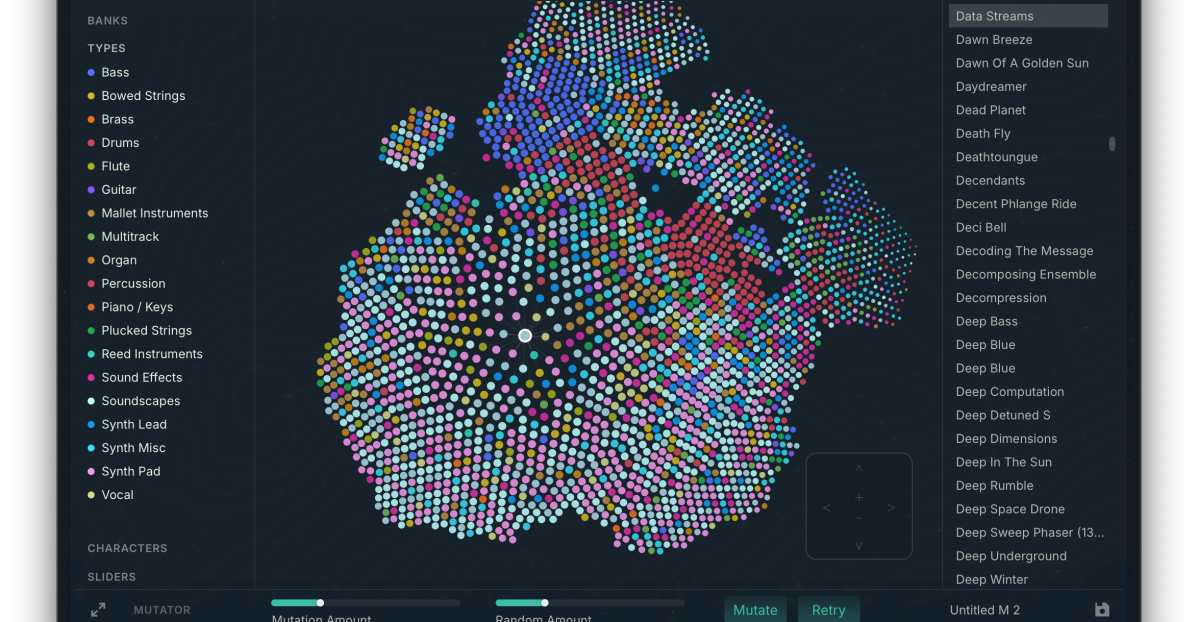
Launched in 2000, Absynth quickly distinguished itself from its peers. While other synths focused on traditional subtractive or FM synthesis, Absynth offered an otherworldly palette. Combining subtractive, FM, wave-morphing, granular, and sampling architectures, it allowed for the creation of evolving soundscapes, shimmering pads, and organic textures that felt both alien and deeply emotive. Its unique 'Mutator' system, intricate routing, and semi-modular approach provided an unparalleled depth for sonic exploration, making it a go-to for film composers, experimental artists, and producers seeking truly unique timbres. Its eventual quiet discontinuation or lack of updates left a void in many producers' arsenals, a testament to its irreplaceable character.
MPE: Unleashing New Dimensions of Expression
The Game-Changer: MIDI Polyphonic Expression
Perhaps the most significant technological leap in Absynth's return is the integration of MPE. For years, traditional MIDI limited expressive control, often restricting parameters like vibrato or filter cutoff to be applied universally across all notes played simultaneously. MPE shatters these constraints, allowing musicians to apply individual expressive gestures (like pitch bend, aftertouch, or timbre shifts) to each note independently, creating a far more nuanced and human performance.
For Absynth, a synth renowned for its complex, evolving sounds, MPE is a revelation. Imagine sculpting a multi-layered pad where each sustained note can independently swell, bend, or morph its timbre with the subtle movements of your fingers. This isn't just an upgrade; it's a fundamental expansion of Absynth's expressive potential, pushing its already "weird" capabilities into truly uncharted territory. It transforms Absynth from a powerful sound design tool into an incredibly responsive and performative instrument, blurring the lines between synthesis and acoustic expression.
The Maestros of Modulation: Eno and Smith's Presets
A Stamp of Contemporary Relevance
The inclusion of new presets crafted by Brian Eno and Kaitlyn Aurelia Smith isn't merely a marketing coup; it's a profound validation of Absynth's enduring creative power and its contemporary relevance. Brian Eno, often hailed as the father of ambient music and a pioneer in experimental sound, brings his legendary ear for evolving textures and sonic environments. His presets are likely to explore Absynth's capability for deep, contemplative soundscapes and generative music.
Kaitlyn Aurelia Smith, a formidable force in modern electronic music known for her modular synth explorations and expressive, organic sound worlds, offers a different, yet equally compelling, perspective. Her work often emphasizes the fluid, responsive nature of electronic instruments, aligning perfectly with Absynth's intricate modulation possibilities and the newfound MPE capabilities. Their involvement signals that Absynth isn't just for revisiting old sounds; it's designed to inspire new generations of sonic innovators.
Future Implications: What Absynth's Return Means for Synthesis
Absynth's return, particularly with these advanced features and high-profile collaborations, sends ripples through the entire synth industry. For Native Instruments, it signifies a potential new strategy: revisiting beloved classics with substantial, forward-thinking upgrades rather than simple re-skins. It highlights a commitment to expressive performance as a core tenet of modern digital instruments.
More broadly, it reinforces the growing importance of MPE as a standard for expressive control, encouraging other developers to follow suit. For musicians and sound designers, it opens up a new realm of creative possibilities. The ability to craft deeply interactive and sonically complex sounds within Absynth, now enhanced by MPE, means greater fluidity, more organic performances, and an even broader palette for cinematic scoring, experimental music, and beyond.
This isn't just the return of a synth; it's the re-ignition of an ethos: that electronic instruments can be as nuanced, expressive, and deeply personal as their acoustic counterparts. Absynth, "weirder than ever," is poised to reclaim its throne as a crucial tool for those who dare to explore the fringes of sound.