A Colossus Rises: Unpacking Nexstar's $6.2B Tegna Acquisition and the Future of Local TV
By NovaPress Editorial Board
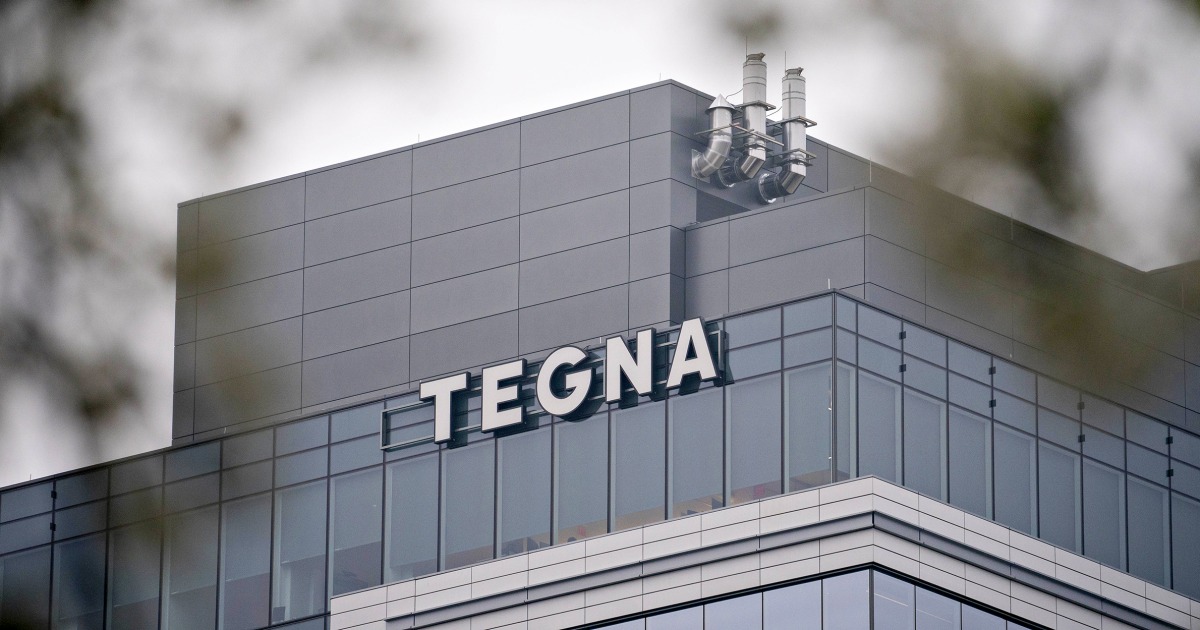
The media landscape, ever in flux, has just experienced a seismic shift. The Federal Communications Commission (FCC) has officially given its blessing to broadcast station owner Nexstar's monumental $6.2 billion deal to acquire rival company Tegna. This regulatory nod doesn't just represent a corporate transaction; it heralds the creation of the undisputed largest operator of local television stations in the United States, a true colossus whose reach and influence will reshape how millions of Americans consume their local news and information.
The Making of a Media Behemoth
For years, Nexstar Media Group has been on an aggressive growth trajectory, steadily acquiring stations and expanding its footprint across the nation. Tegna, itself a significant player born from the Gannett Company split, operated a diverse portfolio of local stations. This merger, first announced with much fanfare and no small amount of industry speculation, brings together two titans, effectively consolidating vast swaths of the local broadcast market under a single corporate umbrella.
The financial magnitude of the deal — a staggering $6.2 billion — underscores the significant value still seen in traditional linear television, even amidst the rise of streaming and digital media. For Nexstar, this acquisition is not merely about increasing station count; it's about leveraging economies of scale in advertising sales, programming negotiation, and operational efficiencies. The combined entity will boast an unparalleled network of local stations, potentially giving it immense bargaining power with content providers, advertisers, and even local governments.
Implications for Local News and Competition
The immediate and most pressing question for the public revolves around the implications for local news. Local television remains a vital source of information for many communities, providing critical coverage of local politics, weather, crime, and community events. With one company now controlling such a vast network, concerns naturally arise about diversity of voices, journalistic independence, and the potential for homogenized content.
Critics of media consolidation often point to the risk of reduced competition, which can lead to fewer distinct perspectives, potential cost-cutting that impacts newsroom staff, and a diminished focus on public interest journalism in favor of profit margins. While Nexstar has often touted its commitment to local content, the sheer scale of this new entity will demand careful scrutiny from regulators and the public alike to ensure that local communities do not suffer from a lack of diverse and robust news coverage.
The Regulatory Tightrope: FCC's Role and Public Interest
The FCC's approval did not come without considerable deliberation. Regulatory bodies are tasked with ensuring that such mergers serve the 'public interest' – a broad mandate that encompasses promoting competition, localism, and diversity in media ownership. The approval signals that the FCC believes Nexstar's assurances and proposed divestitures (if any were required to meet ownership caps) sufficiently address potential anti-trust concerns or undue concentration of media power.
However, the decision is likely to reignite debates about the FCC's current approach to media ownership rules in an era where traditional broadcasters compete not just with each other, but with global tech giants and an ever-expanding digital content ecosystem. The balance between allowing traditional media companies to scale up to compete in a fractured market and protecting local journalistic integrity and diverse ownership remains a complex challenge for regulators.
What Lies Ahead: A Shifting Media Landscape
The Nexstar-Tegna merger is more than just a headline; it's a testament to the ongoing evolution, and consolidation, of the media industry. For Nexstar, the path ahead involves integrating a massive number of new stations, optimizing operations, and navigating a rapidly changing advertising market. For viewers, it means a potentially different experience of local news, with the hope that the efficiencies of scale will translate into better resources for local journalism, rather than just greater profits.
As Nexstar embarks on this new chapter as the nation's dominant local TV operator, all eyes will be on its performance. The success or failure of this colossal merger will not only impact its shareholders but will also offer crucial insights into the viability and future direction of local broadcast television in the digital age. The biggest local news provider is here – now the real work begins to see if it can truly serve the public interest at an unprecedented scale.