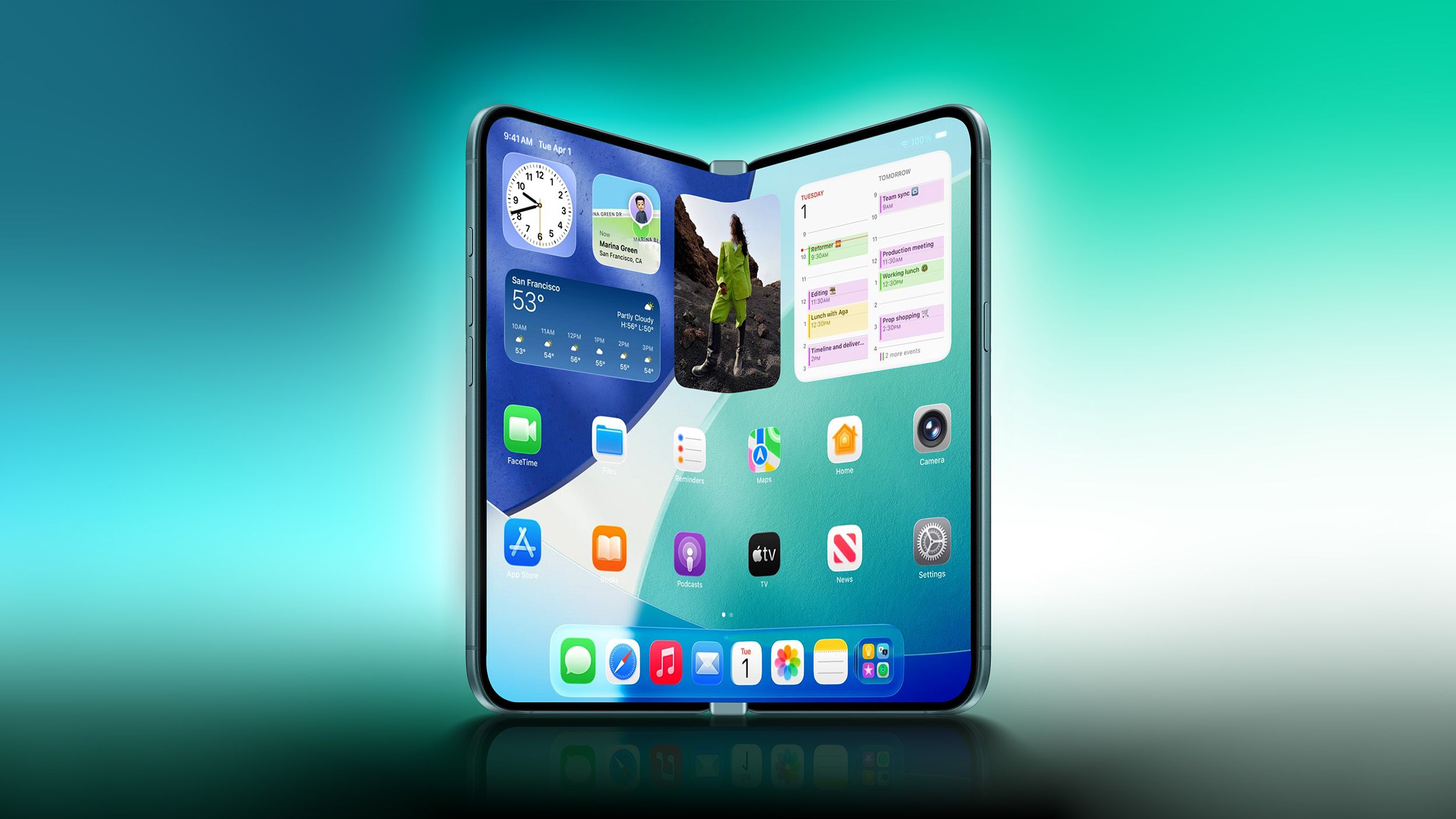
The smartphone landscape is on the cusp of a seismic shift, and at its epicenter stands Apple. For years, whispers of a foldable iPhone have tantalized tech enthusiasts, and now, a new research note from Apple analyst Tim Long of Barclays, citing deep supply chain insights, suggests these dreams are closer to reality than ever. With a foldable iPhone potentially shipping as early as December and an iPhone 18 base model eyeing a March announcement, Apple appears poised to redefine its product rollout strategy and perhaps the very future of mobile technology.
The Foldable Frontier: A December Debut?
Long's report zeroes in on a December shipment for the much-anticipated foldable iPhone. This timing is critical, placing Apple's entry into the nascent foldable market squarely within the lucrative holiday shopping season. Apple's cautious approach to emerging technologies is well-documented; they rarely rush, preferring to perfect a product before launch. Their entry into foldables, a segment currently dominated by Samsung and increasingly by Google with its Pixel Fold, would lend immense credibility and mainstream appeal to the form factor.
For years, foldable phones have faced scrutiny over durability, hinge mechanisms, and software optimization. An Apple-branded foldable would undoubtedly bring its signature polish, potentially overcoming many of these hurdles and setting a new industry standard. The implications are vast: it could accelerate the adoption of foldable technology, forcing competitors to innovate further and potentially driving down prices across the board. However, it also raises questions about the initial target audience – will it be a niche, ultra-premium device, or a broader play?
The iPhone 18 and Beyond: A Shifting Release Calendar?
Beyond the foldable revelation, Long's sources hint at another significant shift: the iPhone 18 base model potentially being announced in March, with an iPhone 18 Plus following next year. This deviates from Apple's traditional annual September event for its primary flagship lineup. If accurate, this fragmented release schedule could signal a strategic pivot. Apple might be looking to de-densify its September event, allowing individual product categories to command more attention, or perhaps respond more dynamically to market trends.
Introducing an iPhone 18 base model earlier in the year could serve multiple purposes. It might capture early upgrade cycles, offer a fresh option for consumers outside the peak holiday rush, or allow Apple to better stagger its manufacturing and supply chain demands. The mention of an 'iPhone 18 Plus' next year also suggests a continued commitment to larger screen sizes, distinct from the Pro Max line, perhaps indicating a desire to offer premium features without the absolute top-tier price point, or a re-evaluation of the 'Plus' moniker's appeal.
Market Dynamics and Future Implications:
Apple's moves are never isolated; they send ripples throughout the entire tech ecosystem. A foldable iPhone, especially if delivered with Apple's typical user experience and robust app support, could significantly disrupt the high-end smartphone market. Competitors would face renewed pressure to innovate and differentiate, while component suppliers would see a massive surge in demand for specialized foldable displays and hinge mechanisms.
Furthermore, a diversified release strategy for its core iPhone lineup suggests Apple is adapting to a maturing smartphone market where incremental upgrades are less compelling. By offering different models at different times, Apple can maintain consumer interest year-round, capture various market segments, and potentially smooth out its quarterly revenue cycles. This analytical deep dive into supply chain murmurs, as unearthed by Tim Long, paints a picture of an Apple that is both ambitious and strategically agile, ready to embrace new form factors while rethinking its established launch paradigms.
As December approaches, all eyes will be on Cupertino, awaiting confirmation of what could be the most significant iPhone launch in over a decade.