Analysis by NovaPress Editorial Board
Global Economic Shocks: Why the World, Not Just the U.S., Is Paying the Price for the Iran Conflict

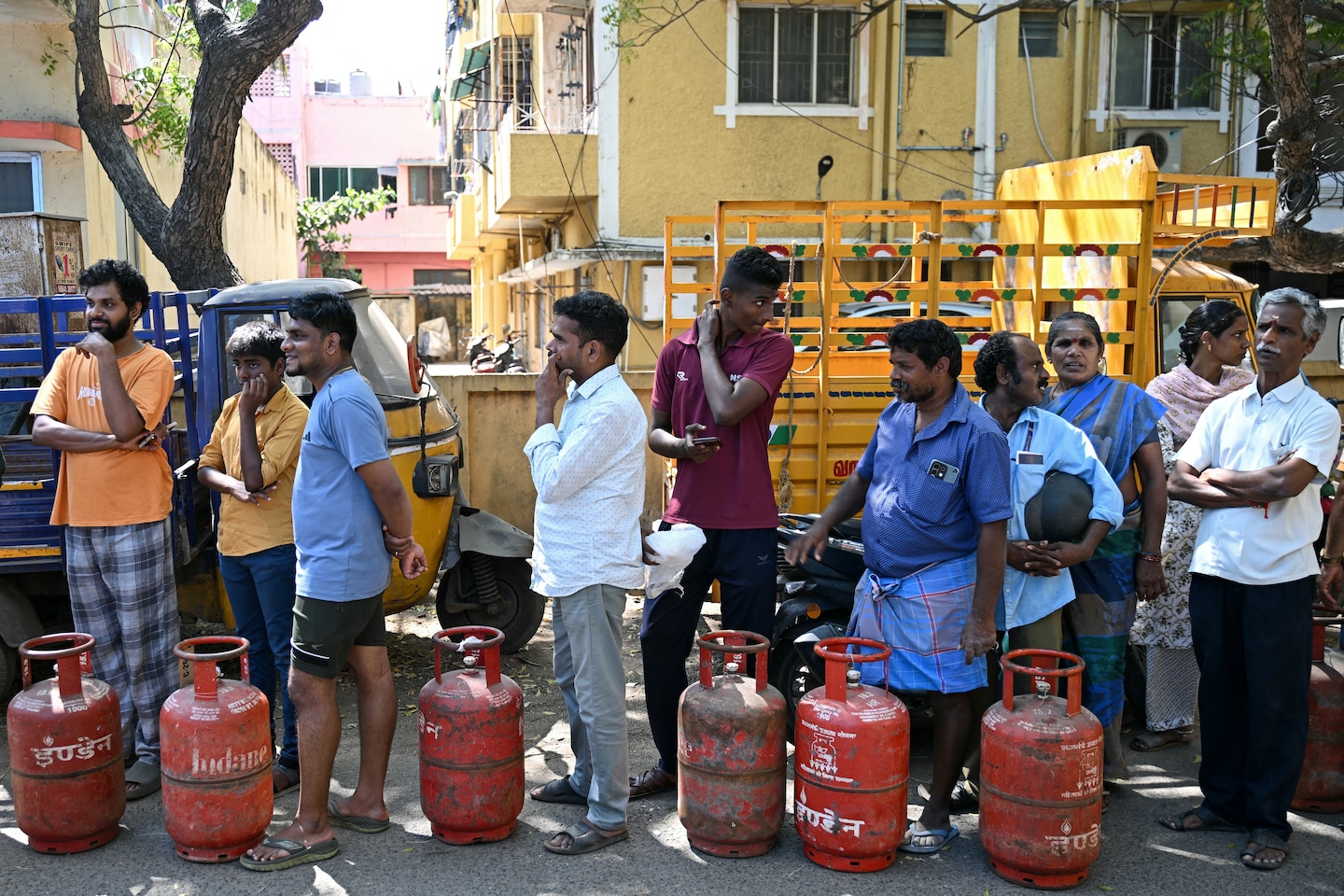
As the United States continues its engagement in Iran, a conflict seemingly without a clear endgame, a stark economic reality is unfolding across the globe: the most severe repercussions are being felt far beyond American shores. While U.S. consumers and businesses experience some ripples, large swathes of the international community are grappling with far more acute and destabilizing economic fallout, weathering gasoline shortages, plummeting currencies, and soaring natural gas prices that threaten to unravel fragile recoveries.
The Unequal Burden: Greater Exposure, Greater Pain
The core of this disproportionate impact lies in the varying degrees of exposure to the Middle East's geopolitical and economic disruptions. Nations across Europe, Asia, and Africa, more reliant on global supply chains and susceptible to energy market volatility, are finding themselves on the front lines of this economic battle. Natural gas prices, in particular, have become a brutal barometer of the crisis. While the U.S. benefits from robust domestic energy production and a relatively insulated market, many other countries are heavily dependent on imports, making them acutely vulnerable to any scarcity or price hikes stemming from the region.
Energy Dependency and Industrial Strain
The surge in natural gas prices translates directly into crippling costs for businesses and consumers. Industries from manufacturing to agriculture face significantly higher operational expenses, forcing them to either pass on these costs to consumers, absorb losses, or, in dire cases, curtail production. This inflationary pressure is a double-edged sword: it erodes purchasing power for households already struggling with stagnant wages, while simultaneously making exports more expensive and less competitive on the global market. European economies, still navigating the aftershocks of previous energy crises, are particularly susceptible, with some facing the prospect of de-industrialization if energy costs remain prohibitive.
Currency Devaluations and Inflationary Spirals
Beyond energy, the geopolitical uncertainty inherent in a protracted conflict is fueling capital flight and currency devaluations in many emerging markets. As international investors seek safer havens, local currencies weaken against the dollar, making imported goods – including essential foodstuffs and medical supplies – significantly more expensive. This triggers an inflationary spiral, exacerbating cost-of-living crises and deepening poverty. Governments, already strained by pandemic-era debt, find their fiscal space severely constrained, limiting their ability to implement relief measures or stimulate economic growth.
The Geopolitical Echo: A Call for a Clear Path
The Washington Post's observation underscores a critical point: the economic ripples of the Iran conflict are not contained. They are global, impacting everything from the price of bread in Rome to factory output in industrial hubs. The current scenario highlights a dangerous asymmetry in the burdens of conflict, where nations with less direct involvement in the war's strategic objectives bear a disproportionate share of its economic fallout. The lack of a clear endgame in the U.S.-led operation only prolongs this uncertainty, chilling investment and hampering long-term economic planning globally.
Looking Ahead: A Precarious Global Landscape
The implications for global stability are profound. Persistent economic distress can fuel social unrest, political instability, and even new waves of migration. For the international community, the challenge is clear: how to mitigate the collateral damage of distant conflicts and build more resilient global economic structures. Without a resolution or a coherent strategy to contain the economic fallout, the Iran conflict risks pushing a significant portion of the world into a deeper and more prolonged period of economic hardship, with lasting consequences for international cooperation and security.
NovaPress will continue to monitor this developing situation and provide in-depth analysis on its evolving global impact.