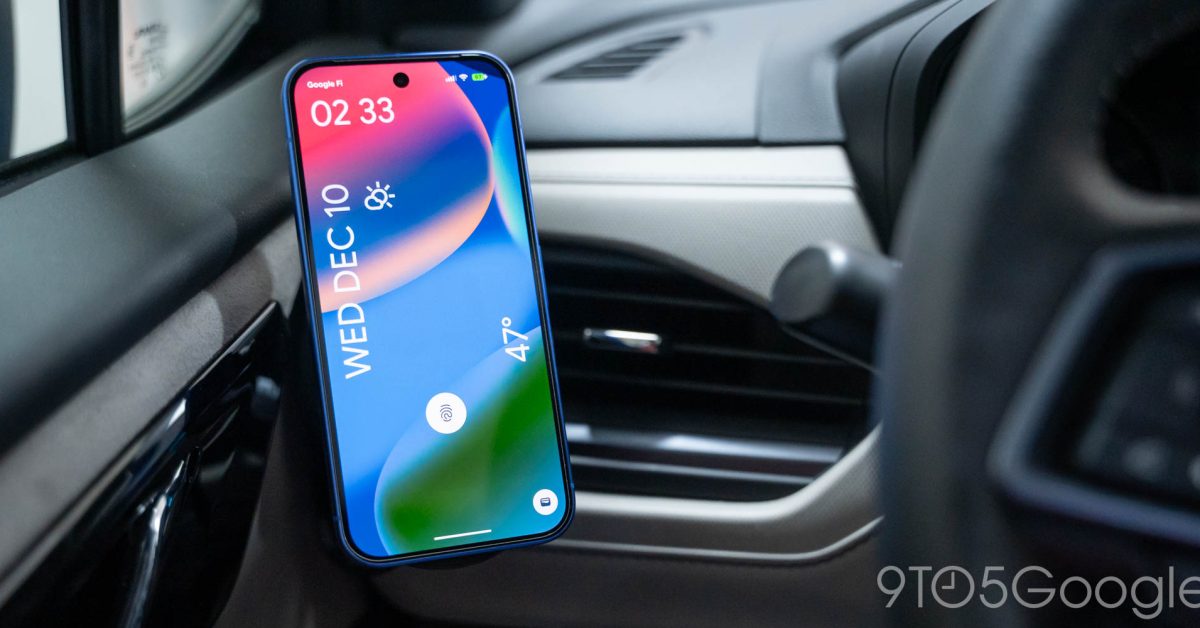
Qi2 on Pixel 10: The Magnetic Revolution's Convenient Frustrations
By NovaPress Tech Desk
For many Pixel 10 owners, the upgrade wasn't just about a faster processor or an improved camera; it was about an invisible yet profoundly impactful technology: Qi2 wireless charging. The magnetic alignment standard has been hailed as a game-changer, promising seamless accessory integration and a new era of convenience. Yet, as with most nascent technologies, the path to revolution is paved with its own unique set of frustrations, making Qi2 on the Pixel 10 a compelling, albeit complex, case study in modern tech adoption.
Understanding the Qi2 Advantage
At its core, Qi2 builds upon the widely adopted Qi wireless charging standard but integrates Apple's MagSafe technology, introducing a magnetic alignment system. This seemingly simple addition has profound implications. Gone are the days of fumbling with your phone to find the charging sweet spot; Qi2 accessories snap into perfect alignment, ensuring optimal charging efficiency and a secure connection. This magnetic embrace is particularly transformative for applications where a stable connection is paramount, such as in-car mounts.
For Pixel 10 users, this means car chargers that not only hold the phone securely but also guarantee a consistent charge throughout the drive, even over bumpy roads. Desks can feature elegant, perfectly aligned charging stands, and even power banks can magnetically attach for on-the-go top-ups without worrying about accidental disconnections. The promise is clear: unparalleled convenience and reliability, making magnetic accessories feel "invaluable in day-to-day life," as many users attest.
The Unseen Frustrations: A New Ecosystem's Growing Pains
Despite the undeniable benefits, the journey with Qi2 on the Pixel 10 hasn't been without its bumps. The "frustrating" aspect often stems from the typical challenges of adopting a new standard. Early adopters face a market that is still catching up, leading to a scarcity of compatible accessories. While the number is growing, finding the perfect Qi2 car mount or desk charger can still be a scavenger hunt, often accompanied by premium pricing.
Compatibility issues also rear their head. While Qi2 is backward compatible with older Qi devices (albeit without the magnetic alignment), some older cases or non-Qi2 certified accessories might interfere with the magnetic connection or charging efficiency. Users might find themselves needing to invest in new cases that are specifically designed to work with Qi2, adding to the overall cost of embracing the technology.
Furthermore, as a relatively new standard gaining traction outside of Apple's ecosystem, there can be subtle variations in implementation or quality among third-party manufacturers. This can lead to a fragmented user experience, where some Qi2 accessories deliver on their promise flawlessly, while others fall short, creating unexpected headaches and diminishing the overall perceived value of the upgrade.
The Pixel 10 as a Catalyst
Google's embrace of Qi2 with the Pixel 10 positions the device as a significant catalyst for the wider adoption of the standard within the Android ecosystem. By integrating this technology, Google validates its importance and signals to accessory manufacturers that there's a burgeoning market beyond Apple's walled garden. This move is crucial for standardizing magnetic wireless charging across different platforms, ultimately benefiting consumers through broader availability and competitive pricing.
The Pixel 10 user base, known for its enthusiasm for new tech and its willingness to provide feedback, will undoubtedly play a pivotal role in refining the Qi2 experience. Their collective insights will help manufacturers understand user expectations, identify pain points, and iterate on designs to create more robust and user-friendly Qi2 accessories.
Future Implications: A Magnetically Charged Horizon
Looking ahead, the widespread adoption of Qi2 has the potential to fundamentally reshape how we interact with our devices. Imagine a future where every surface – from car dashboards to public transportation, cafes, and even home furniture – features embedded Qi2 chargers. Devices would simply snap into place, charging effortlessly and securely, eliminating cable clutter and charging anxiety.
The standardization fostered by Qi2 could also spur innovation in new types of accessories that leverage magnetic attachment in novel ways, extending beyond just charging. This convergence of power and secure physical attachment opens up a plethora of possibilities for enhanced ergonomics, modular device add-ons, and integrated smart home solutions.
Conclusion: Embracing the Future, One Magnetic Click at a Time
Qi2 on the Pixel 10 represents a fascinating crossroads of convenience and early-adopter challenges. It's a technology that genuinely elevates the user experience, making daily interactions with the device more seamless and intuitive. Yet, its full potential is still unfolding, requiring patience and adaptability from users navigating a rapidly evolving accessory landscape.
As the ecosystem matures, the frustrations are likely to diminish, leaving behind a truly revolutionary standard that redefines wireless charging. For Pixel 10 owners, they are not just using a phone; they are at the forefront of a magnetic revolution, experiencing firsthand the exhilarating promise and the inevitable teething pains of tomorrow's tech.