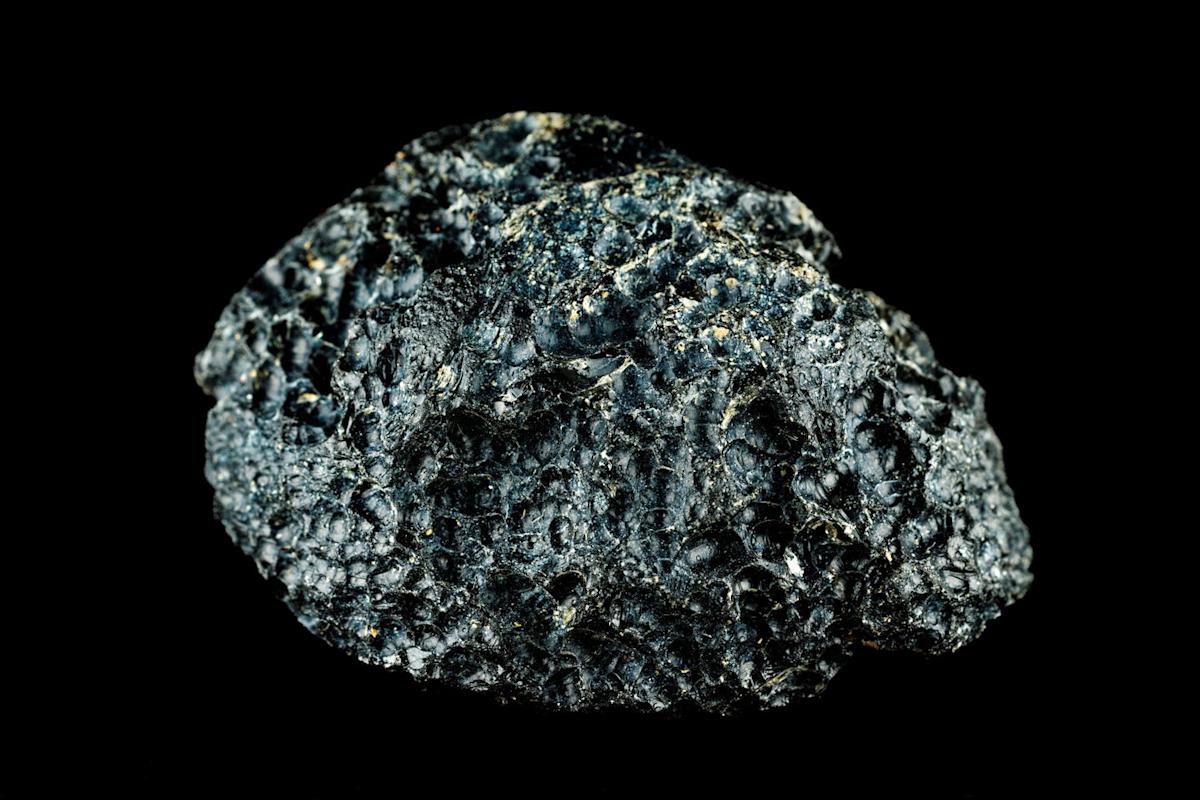
Brazil's 6.3-Million-Year-Old Asteroid Impact: The Enigma of the Missing Crater
A recent scientific revelation from northeastern Brazil has uncovered evidence of a colossal cosmic collision from 6.3 million years ago. While the tell-tale signs are unmistakably present in the form of ancient glass orbs, the impact's most defining feature—its crater—remains stubbornly elusive, sparking a profound geological mystery.
The Discovery: A Trail of Cosmic Glass
Geologists conducting a new study in northeastern Brazil have stumbled upon a previously unknown tektite strewn field. Tektites are enigmatic, naturally occurring glassy objects that are believed to have formed from terrestrial debris ejected during powerful meteorite impacts. Their discovery in such a concentrated area immediately signaled a significant cosmic event, dating back approximately 6.3 million years to the late Miocene epoch.
These distinctive glass orbs are not merely curious artifacts; they are silent witnesses to an unimaginable cataclysm. Their unique chemical composition and aerodynamic shapes are definitive proof of their extraterrestrial origins—not as fragments of the asteroid itself, but as Earth's molten rock violently propelled into the atmosphere and then cooled rapidly as it rained back down. Each tektite represents a tiny, perfectly preserved snapshot of an ancient moment of cosmic violence.
What Are Tektites and Why Do They Matter?
Tektites are distinct from volcanic glass, such as obsidian, by their unique chemical signatures and trace elements that match local terrestrial rocks, albeit having undergone extreme heating and shock. Their formation requires temperatures and pressures only achievable during hypervelocity impacts by large extraterrestrial objects. When a massive asteroid strikes Earth, the immense energy instantaneously melts and vaporizes target rock, ejecting plumes of molten material high into the atmosphere or even into space. This molten spray then cools and solidifies into glassy droplets before plummeting back to Earth, often hundreds or even thousands of kilometers from the impact site.
The presence of a strewn field—an area where tektites are scattered—is a definitive proxy for a major impact event. By studying their distribution, age, and chemical makeup, scientists can pinpoint the timing and even the approximate size of the celestial body that caused them. This particular discovery in Brazil opens a new chapter in Earth's geological record, pointing to an impact previously unknown to science.
The Vanishing Crater: A Geological Conundrum
Despite the unequivocal evidence of a large meteorite impact, the associated crater—the most direct signature of such an event—remains stubbornly undiscovered. This absence presents a significant challenge to geologists and planetary scientists.
Potential Explanations for the Elusive Impact Site:
- Erosion: Over 6.3 million years, Earth's dynamic geological processes can effectively erase or obscure surface features. Intense tropical weathering, river systems, and tectonic activity could have gradually eroded away or buried the crater, especially if it was located in an area prone to such forces.
- Sedimentation and Burial: The crater might be hidden beneath kilometers of accumulated sediment. If the impact occurred in a basin or a coastal region, subsequent deposition of rock and soil layers could have effectively 'filled in' and obscured the original structure, making it invisible from the surface.
- Submerged Impact: A fascinating possibility is that the asteroid struck an oceanic region. If the impact occurred on the continental shelf or even in deeper waters, the crater might now lie submerged and buried under marine sediments, making it exceedingly difficult to detect with conventional land-based surveys.
- Remote Location: The impact might have occurred in an exceptionally remote, unexplored, or geologically complex region, making identification challenging even with modern techniques.
Implications for Earth's Past and Future
The discovery of this new tektite strewn field, coupled with the mystery of its missing crater, underscores the constant bombardment Earth has faced throughout its history. While larger, more recent impacts like the Chicxulub event (which formed the Yucatan crater and is linked to the dinosaur extinction) are well-documented, many other significant events likely remain hidden.
Understanding these ancient impacts helps us piece together Earth's environmental history, climate shifts, and even the trajectory of life's evolution. Each impact event represents a major perturbation that could have triggered tsunamis, altered atmospheric chemistry, or caused regional, if not global, extinctions. The Brazilian discovery serves as a powerful reminder that our planet's surface is a palimpsest, with countless stories waiting to be deciphered beneath layers of rock and time.
The Hunt Continues: A Call for Interdisciplinary Research
Solving the mystery of Brazil's missing crater will require a concerted interdisciplinary effort. Geologists will need to expand their surveys, utilizing advanced geophysical techniques such as seismic imaging, gravity anomaly mapping, and magnetic surveys to probe beneath the surface. Oceanographers might need to explore coastal and offshore regions if the evidence points to a marine impact.
The NovaPress team believes this discovery is not merely an academic curiosity but a profound invitation to re-examine our planet's turbulent past. The glass orbs from Brazil are more than just geological specimens; they are breadcrumbs leading us to a deeper understanding of cosmic forces that shaped the world we inhabit. The hunt for the missing crater is now officially on, promising to unveil new secrets about Earth's dynamic history.