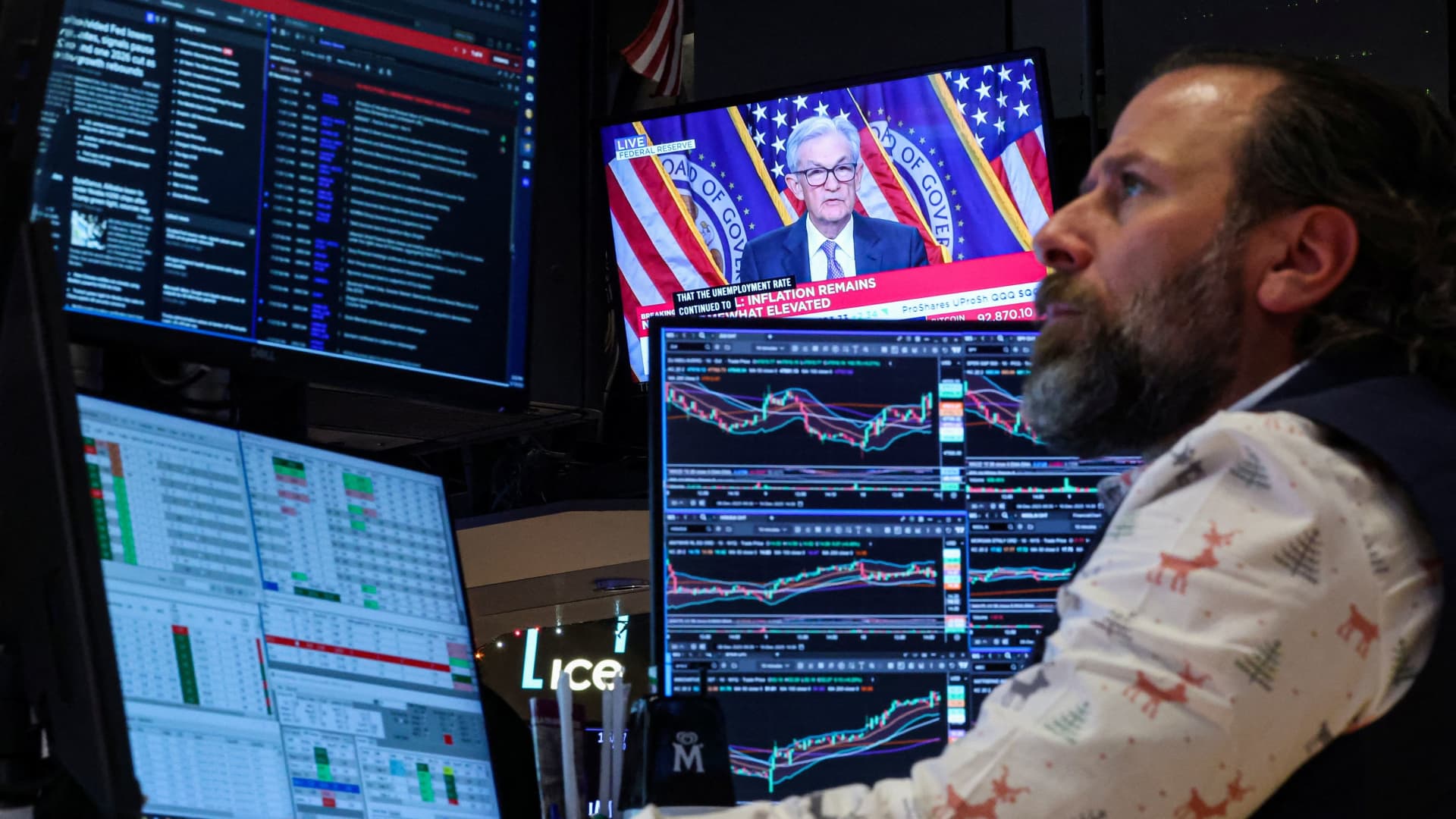
The Fed's Tightrope Walk: Why a 'Hot' PPI Just Sent Markets Reeling and What Comes Next
Wednesday saw a significant tremor ripple through global markets, with the Dow Jones Industrial Average shedding over 400 points. The catalyst? A hotter-than-expected Producer Price Index (PPI) reading, which immediately intensified anxiety among investors bracing for the Federal Reserve's imminent rate policy decision. After a brief reprieve of back-to-back gains, the reality of persistent inflationary pressures has once again forced a recalibration of market expectations, placing the Fed squarely in the crosshairs of a critical economic dilemma.
Understanding the PPI Shockwave
The Producer Price Index measures the average change over time in the selling prices received by domestic producers for their output. Often considered a leading indicator of consumer inflation, a surge in PPI signals that businesses are facing higher costs for goods and services, which they are likely to pass on to consumers. The latest reading, surpassing economists' forecasts, confirmed fears that the battle against inflation is far from over, despite previous signs of cooling. This unexpected jump in producer prices suggests that the inflationary pipeline remains robust, potentially fueling higher Consumer Price Index (CPI) figures down the line.
"The market's reaction clearly indicates deep-seated concern that the Fed might be compelled to maintain its hawkish stance, or even intensify it, to rein in these persistent price pressures."
The Federal Reserve's Unenviable Position
With the hot PPI data now on the table, the Federal Reserve's policy-setting Federal Open Market Committee (FOMC) faces an even more complex landscape. Their dual mandate—to achieve maximum employment and price stability—is once again under strain. Before this data, some investors hoped for a pause or a dovish outlook. Now, the probability of continued rate hikes, or at least a prolonged period of higher rates, has significantly increased. The central bank must weigh the risk of further economic slowdown against the imperative of taming inflation, which erodes purchasing power and economic stability.
Hiking rates too aggressively risks tipping the economy into recession, impacting employment and corporate earnings. Conversely, not acting decisively enough could allow inflation to become entrenched, requiring even harsher measures down the road. This delicate balance, often referred to as a "soft landing," appears increasingly precarious as economic data continues to send mixed signals.
Market Volatility and Investor Sentiment
The immediate market downturn reflects heightened uncertainty and a re-evaluation of risk. Investors are notoriously averse to surprises, especially those that suggest a longer or more painful fight against inflation. Technology and growth stocks, often sensitive to higher interest rates due to their reliance on future earnings, tend to be particularly vulnerable in such environments. The prior two days of gains, fueled by cautious optimism, quickly evaporated as the PPI data reset expectations, reminding traders of the economic challenges ahead.
Beyond just interest rates, higher inflation also impacts corporate profitability through increased input costs, potentially eroding profit margins even if companies manage to pass some costs to consumers. This double whammy—higher borrowing costs and potentially reduced earnings—creates a formidable headwind for equity markets.
Looking Ahead: The Fed Decision and Beyond
All eyes are now fixated on the Federal Reserve's upcoming announcement. Beyond the immediate decision on interest rates, the market will scrutinize every word of the accompanying statement and the subsequent press conference for clues regarding the Fed's future trajectory. Will they signal further hikes? Will they acknowledge the resilience of inflation? The path chosen by the Fed will not only dictate the short-term direction of the markets but also significantly influence the broader economic narrative for months to come.
For businesses, consumers, and policymakers alike, the coming days will be crucial. The "hot" PPI report serves as a stark reminder that the journey to economic stability is fraught with challenges, and the Fed's balancing act is becoming ever more delicate.