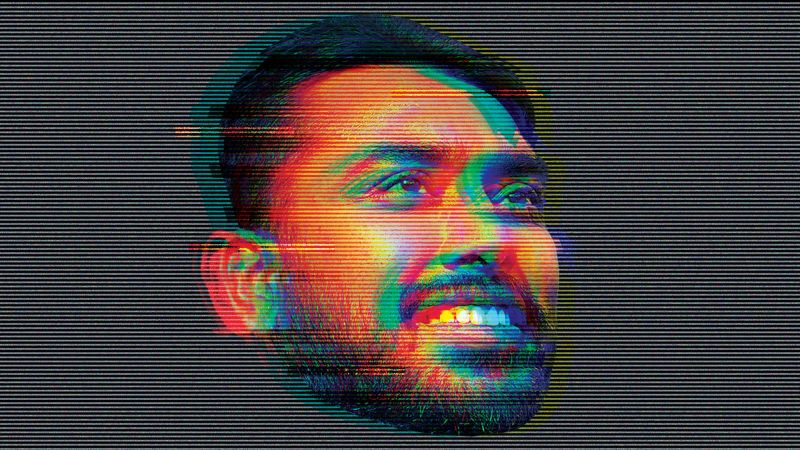
Beyond the Crash: The $69 Million NFT Investor Who Believes More Than Ever
It was the early hours, past 4 a.m., when Vignesh Sundaresan, known in the digital realm as Metakovan, made a purchase that would send shockwaves through both the art world and the nascent blockchain space. Dressed in his favorite T-shirt, illuminated by the glow of his iMac, he secured "Everydays: The First 5000 Days" by the artist Beeple for an astonishing $69 million. It wasn't just a record-breaking sum for a digital artwork; it was the third-highest amount ever paid at auction for the work of a living artist. Five years on, after a spectacular market boom and an equally dramatic bust, the question lingers: what is that record purchase worth now? And more importantly, why does Sundaresan believe in digital art more profoundly than ever?
The Genesis of a Digital Colossus: A $69 Million Statement
The year 2021 marked a watershed moment for non-fungible tokens (NFTs). What began as a niche interest among crypto enthusiasts exploded into mainstream consciousness, fueled by celebrity endorsements, unprecedented trading volumes, and sky-high valuations. At the epicenter of this frenzy was Beeple's "Everydays," a monumental collage of 5,000 digital images created daily since 2007. Its auction at Christie's, a hallowed institution of traditional art, legitimized NFTs in a way no previous sale had.
Sundaresan, through his NFT investment fund Metaversal, wasn't merely acquiring a piece of digital art; he was making a philosophical statement. He saw the purchase as a crucial step in decolonizing information and democratizing access to wealth, envisioning a future where digital ownership empowers individuals globally. The hefty price tag, for him, was a necessary catalyst to draw attention, spark discussion, and validate the emerging paradigm of digital scarcity and provenance.
From Euphoria to Eclipse: The NFT Market's Tumultuous Ride
Following the Beeple sale, the NFT market entered a period of unprecedented euphoria. Digital collectibles, profile picture projects, and generative art pieces commanded exorbitant prices. Celebrities joined in, and mainstream media outlets breathlessly covered the latest million-dollar sale. The underlying technology, blockchain, promised immutable ownership and revolutionary potential.
However, as with many speculative bubbles, the gravity of reality eventually set in. By late 2022 and throughout 2023, the market witnessed a spectacular collapse. Trading volumes plummeted, floor prices of once-coveted collections evaporated, and many NFTs purchased for thousands, if not millions, became virtually worthless. The skepticism that had always shadowed the space intensified, with critics proclaiming the entire concept a scam or a fad.
A Stark Reality Check
While the overall crypto market faced its own challenges, the NFT sector experienced a particularly brutal reckoning, shedding billions in value and leaving many early investors with significant losses.
The Unwavering Vision: Why Sundaresan Persists
In the face of such a dramatic downturn, one might expect Vignesh Sundaresan to express regret or shift his focus. Yet, his conviction in digital art and the underlying principles of Web3 has only deepened. For Sundaresan, the initial $69 million purchase was never solely about short-term speculative gains. It was an investment in an idea, a foundational brick in a new digital economy.
He distinguishes between the transient hype cycle and the enduring utility of blockchain technology. The collapse, in his view, merely cleansed the market of frivolous projects and unsustainable speculation, paving the way for more substantive, artistically driven, and utility-focused endeavors. He believes that true digital ownership, verifiable provenance, and the ability for creators to directly connect with and monetize their work without intermediaries represent an irreversible technological advancement.
Sundaresan sees parallels to the early days of the internet, where skeptics doubted its commercial viability. Just as many early dot-com companies failed, the underlying internet infrastructure transformed global communication and commerce. He argues that NFTs, as a protocol for digital ownership, will similarly underpin future digital economies, regardless of the current market's volatility.
Future Implications: A New Dawn or Lingering Winter?
Sundaresan's steadfast belief forces a critical re-evaluation of the NFT space. Is the current quiet period merely a "crypto winter" for digital art, or a necessary consolidation? The future of NFTs likely lies beyond mere profile pictures and speculative trading. We are already seeing evolving use cases in gaming, digital identity, ticketing, and intellectual property management. The emphasis is shifting from ephemeral hype to tangible utility and sustained value propositions.
For artists, the promise remains potent: direct monetization, immutable royalties, and a global audience. For collectors, the appeal of verifiable ownership and participation in a digital cultural movement persists. However, the market will undoubtedly mature, demanding greater transparency, artistic merit, and a clearer understanding of what constitutes genuine value in the digital realm.
Conclusion: The Visionary's Gamble
Vignesh Sundaresan's $69 million purchase remains a defining moment in digital art history. While the immediate monetary value of "Everydays" and countless other NFTs has depreciated significantly, his unwavering belief highlights a deeper narrative. It's a testament to the enduring human desire for ownership, expression, and participation in emerging cultural movements. Whether his vision of a decentralized, digitally owned future fully materializes or remains a niche fascination, Sundaresan stands as a symbol of the conviction required to invest, not just money, but faith, in the frontier of technology and art.