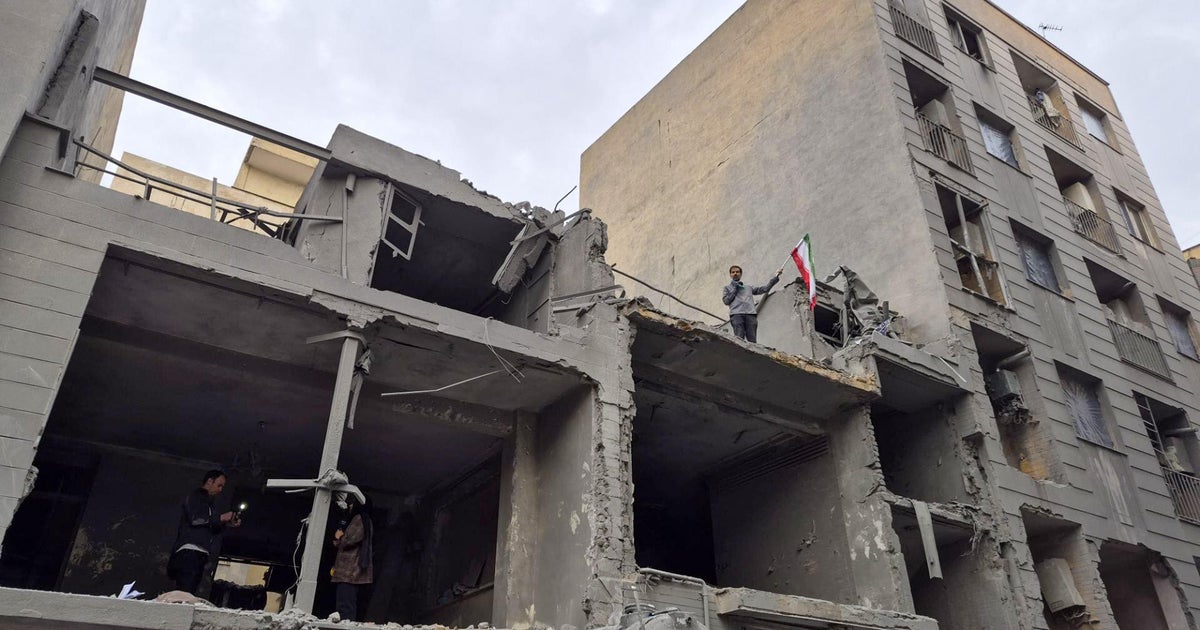
The Middle East finds itself at a critical juncture, gripped by a dual crisis that threatens to unravel the region's fragile stability. In a move that signals a significant escalation, Israel has claimed responsibility for the killing of senior Iranian officials, including Ali Larijani, identified as Iran's top security official, and the commander of the feared Basij paramilitary force, in overnight strikes on Tehran. Simultaneously, America's European allies have notably rebuffed President Trump's urgent pleas for assistance in securing the vital Strait of Hormuz. These two developments, though distinct, converge to paint a grim picture of escalating hostilities and fracturing international alliances, portending profound implications for global security and energy markets.
Targeted Strikes: Israel's Calculated Escalation
The Israel Defense Forces' announcement of successful strikes targeting high-ranking Iranian security figures, explicitly stating the killing of Ali Larijani, identified as Iran's top security official, and the commander of the feared Basij paramilitary force, represents a daring and highly provocative act. The elimination of such prominent figures within Iran's security apparatus — Larijani, a senior strategic voice, and the Basij commander, a crucial pillar of the Islamic Revolutionary Guard Corps (IRGC) instrumental in internal repression and regional proxy operations — underscores a deliberate strategy by Israel. This action can be interpreted as a direct response to perceived Iranian threats, whether emanating from its nuclear program, its entrenchment in Syria, or its support for groups like Hezbollah and Hamas.
The political calculus behind such a strike is multifaceted. Israel, under increasing pressure from perceived Iranian aggression, often operates with a doctrine of pre-emption and deterrence. Eliminating key figures within Iran's security apparatus aims to disrupt command structures, send a clear message, and perhaps pre-empt future attacks. However, the inherent risk is immense: such high-profile assassinations dramatically raise the stakes, inviting potential retaliation from a regime that has historically vowed vengeance for attacks on its leadership and interests.
The Strait of Hormuz: A Chokepoint of Division
Concurrently, the international community grapples with the escalating tensions in the Strait of Hormuz, the narrow waterway through which a significant portion of the world's oil supply transits. Following a series of incidents involving tankers and drones, President Trump had called upon America's European allies to contribute military assets and resources to ensure freedom of navigation. Yet, these calls have largely been met with rejection.
Europe's reluctance stems from a complex web of factors. Many European nations remain committed to preserving the Joint Comprehensive Plan of Action (JCPOA), or Iran nuclear deal, which the U.S. unilaterally abandoned. They fear that a direct military involvement alongside the U.S. could further undermine diplomatic efforts, push Iran closer to abandoning its nuclear commitments, and lead to an even wider regional conflict. European leaders also have distinct economic interests with Iran and are wary of being drawn into what they perceive as Washington's "maximum pressure" campaign, which they believe contributes to instability rather than deters it. This chasm between American and European strategic priorities highlights a growing divergence within Western alliances, leaving the U.S. increasingly isolated in its approach to Iran.
A Volatile Confluence: Escalation and Fragmentation
The convergence of these events creates a truly volatile environment. Israeli strikes could ignite a furious response from Tehran, potentially targeting Israeli interests abroad, U.S. assets in the region, or even escalating actions in the Strait of Hormuz itself. Such retaliation would undoubtedly invite further counter-retaliation, pushing the region closer to a full-blown military confrontation. The allied rejection of Trump's plea, meanwhile, leaves the critical maritime lanes of the Strait of Hormuz vulnerable and complicates any future attempts at forming a united international front against Iranian aggression.
The implications extend beyond the immediate conflict zone. Global energy markets will remain on edge, sensitive to any disruption in the Strait. The weakening of transatlantic alliances could have long-term repercussions for global governance and the effectiveness of multilateral responses to crises. For Iran, the assassinations could solidify hardliner control and fuel nationalist fervor, making diplomatic off-ramps even harder to find. For Israel, while a tactical victory, it risks strategic overreach if it sparks an uncontrollable chain reaction.
Conclusion: Navigating a Precarious Future
The recent developments underscore a deepening crisis in the Middle East, characterized by an accelerating cycle of provocation and retaliation, compounded by a growing lack of international consensus. The brazen Israeli strikes and the determined European dissociation from U.S. policy collectively strip away layers of regional stability, exposing a dangerous void where shared objectives once resided. As NovaPress observes, the path forward is fraught with peril. A concerted diplomatic effort, backed by a unified international stance—one currently conspicuous by its absence—is imperative to de-escalate tensions and prevent a regional conflagration that would have devastating global consequences. Without such cohesion, the Middle East, and indeed the world, must brace for an increasingly uncertain and dangerous future.