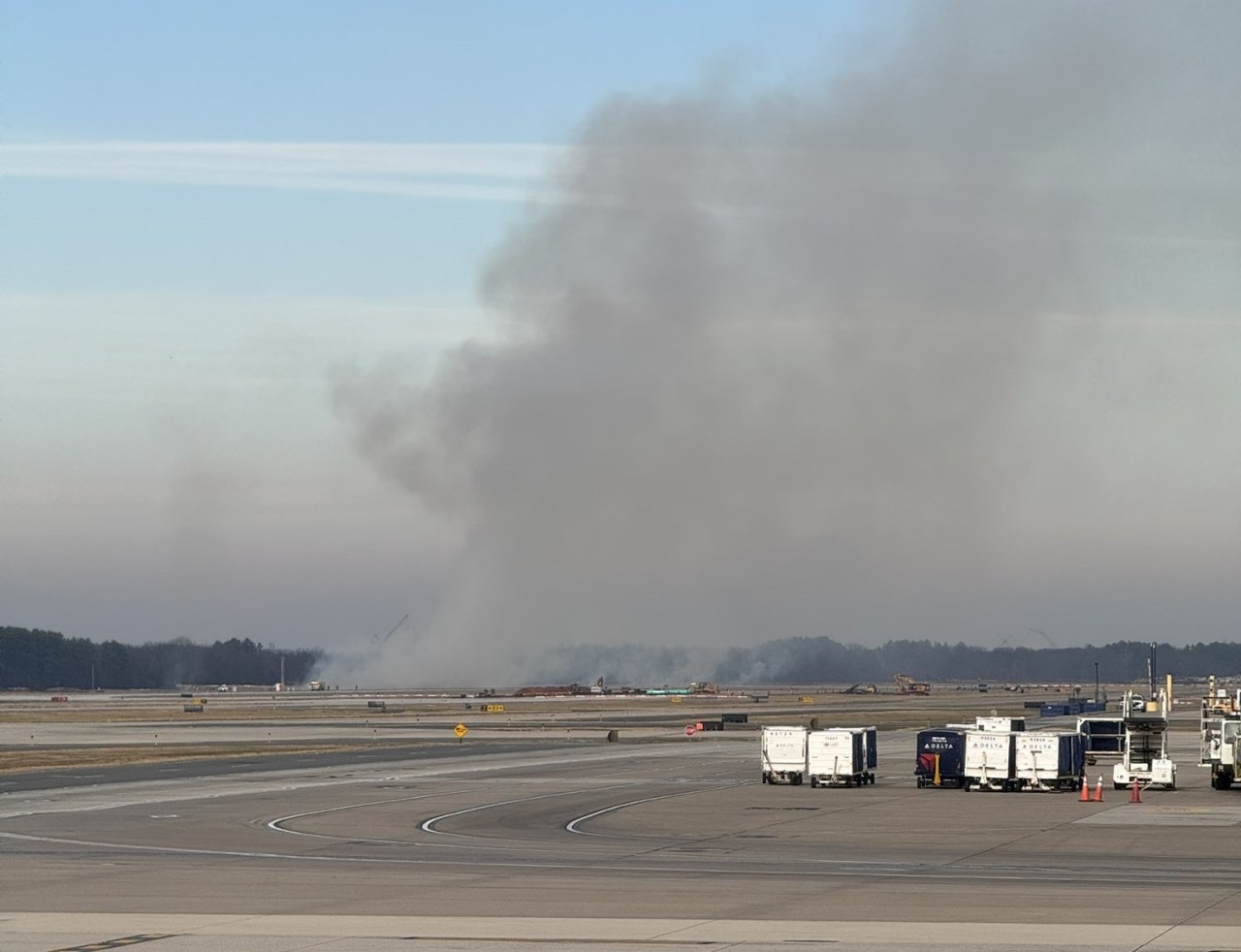
Dulles Scare: United Engine Failure Reignites Debates on Aviation Safety and Maintenance
In a harrowing incident that has once again brought the critical issue of aviation safety to the forefront, a United Airlines flight bound for Tokyo was forced to make an emergency landing shortly after takeoff from Dulles International Airport. The reason? A reported engine failure during a critical phase of flight, sending shivers down the spines of passengers and industry observers alike.
The Anatomy of a Near Catastrophe
According to initial reports from NewsNation, the United flight experienced a sudden loss of power in one of its engines just as it was ascending from the runway. This 'engine failure during takeoff' scenario is among the most challenging and dangerous situations a flight crew can face, demanding immediate and precise action. The pilots successfully executed an emergency return, landing the aircraft safely back at Dulles, averting what could have been a far more tragic outcome. While details surrounding the specific cause of the engine failure remain under investigation, the incident itself underscores the immense pressures on aircraft components and the constant vigilance required in modern aviation.
Contextualizing Air Travel Safety
Commercial aviation boasts an impressive safety record, a testament to decades of rigorous design, maintenance protocols, and pilot training. Incidents like the one at Dulles are statistically rare, largely due to redundant systems and exhaustive pre-flight checks. Aircraft engines, in particular, are designed with incredible resilience and fail-safes. However, even with multiple layers of safety, mechanical failures, material fatigue, or unforeseen events can still occur, reminding us that no system is entirely foolproof. This incident serves as a stark reminder that while air travel is incredibly safe, it is not without its inherent risks.
Implications for United Airlines and the Industry
For United Airlines, this incident undoubtedly triggers an immediate internal investigation, alongside scrutiny from regulatory bodies like the Federal Aviation Administration (FAA). Such events can have significant reputational impacts, potentially shaking passenger confidence, even if the airline followed all emergency procedures flawlessly. The focus will undoubtedly shift towards the aircraft's maintenance history, the specific engine type, and any potential systemic issues that might be uncovered. Broader implications for the industry could include a renewed emphasis on engine inspection protocols, manufacturing quality control, and continuous improvements in emergency response training.
Moving Forward: A Commitment to Vigilance
As investigations unfold, aviation experts will meticulously analyze every data point, from flight recorder information to engine diagnostics, to determine the root cause of the failure. The insights gained from this incident will be crucial for informing future safety enhancements, not just for United Airlines but for the entire global aviation community. It's a continuous cycle of learning, adapting, and refining protocols to ensure that the skies remain as safe as possible for millions of travelers worldwide. The incident at Dulles, while alarming, serves as a powerful catalyst for this ongoing commitment to vigilance and excellence in air safety.