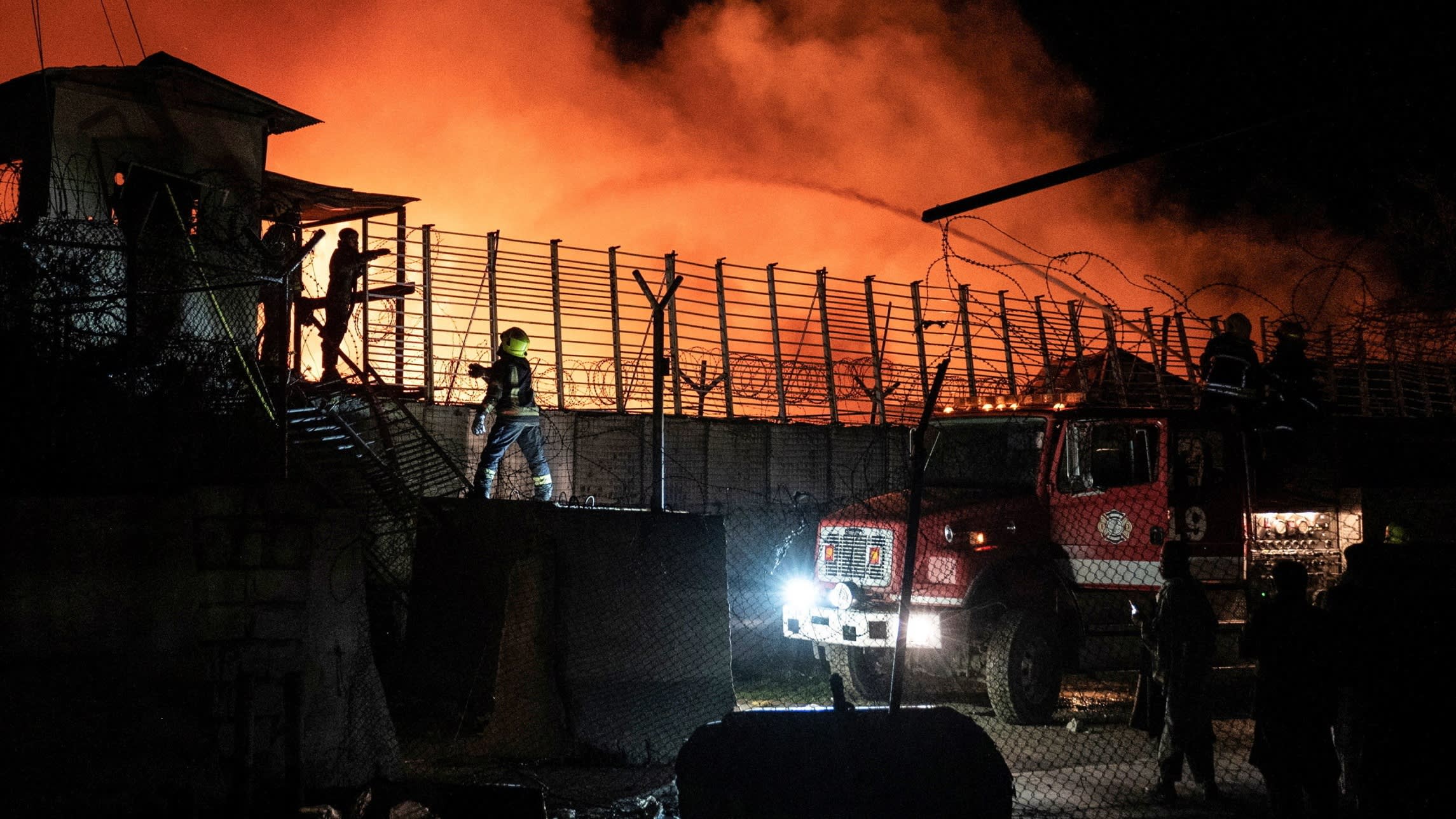
The Kabul Hospital Horror: A Spark Igniting Regional Fire?
The fragile peace in South Asia teeters on the brink after a devastating strike on a Kabul hospital reportedly left hundreds dead. In a swift and inflammatory accusation, the Taliban has pointed fingers directly at neighboring Pakistan, igniting fears of a rapid escalation in an already tense and complex regional dynamic. This act of violence, targeting a medical facility, not only represents a profound humanitarian tragedy but also threatens to unravel years of uneasy diplomacy and usher in a new, more dangerous chapter of cross-border conflict.
A Calamity Unfolds in Kabul
Details emerging from Kabul paint a grim picture: a hospital, a sanctuary for the sick and injured, transformed into a scene of unimaginable horror. While independent verification remains challenging amidst the chaos, the reports of hundreds of casualties underscore the sheer brutality of the attack. Such an incident immediately draws condemnation under international humanitarian law, which strictly prohibits targeting civilian infrastructure, especially medical facilities and personnel. The immediate focus is on rescue and recovery, but the political fallout has already begun.
The Blame Game: Taliban vs. Pakistan
The swiftness with which the Taliban assigned blame to Pakistan is highly significant. Relations between Afghanistan and Pakistan have historically been fraught with mistrust, border disputes, and accusations of harboring militant groups. The Taliban's return to power in Afghanistan in 2021 initially raised hopes for a more stable border, but these hopes have largely been dashed by renewed tensions. Pakistan has repeatedly accused the Afghan Taliban of failing to curb the Tehrik-i-Taliban Pakistan (TTP), an insurgent group that has intensified attacks within Pakistan. The accusation of a hospital strike marks a dramatic and dangerous escalation in this war of words, potentially justifying retaliatory actions from either side. Pakistan has, in turn, often denied such involvement, typically blaming internal elements or foreign actors for violence within Afghanistan.
Deepening the Context: A History of Mistrust
Understanding the gravity of the current situation requires delving into the deep-seated grievances. Pakistan has long been a host to millions of Afghan refugees, and the porous border has been a conduit for trade, movement, and also militancy. Accusations of Pakistan's 'strategic depth' policies during previous Afghan conflicts, and conversely, Afghanistan's alleged inaction against anti-Pakistan elements operating from its soil, have fueled a cycle of suspicion. The current strike and subsequent blame mark a potential breaking point, moving beyond rhetorical sparring to direct allegations of military aggression, creating a 'casus belli' in the eyes of many.
The Perilous Path to Escalation
The immediate danger lies in the potential for a direct military confrontation. If the Taliban's claims are substantiated, or if they act on them, the ripple effects could destabilize the entire region. Pakistan, a nuclear-armed state, and Afghanistan, under Taliban rule, share a volatile border. Any significant military action by either side could draw in other regional players, including Iran, China, and various Central Asian states, all of whom have vested interests in Afghan stability or are concerned about extremist spillover. The humanitarian consequences of a broader conflict would be catastrophic, exacerbating an already dire situation for millions of Afghans, potentially triggering new waves of displacement and refugee crises.
An Urgent Call for De-escalation and Investigation
The international community must act swiftly and decisively. Independent investigations into the hospital strike are paramount to ascertain the truth, hold perpetrators accountable, and prevent further misinformation from fueling conflict. Calls for restraint, diplomatic engagement, and humanitarian access must be prioritized. The lives of innocent civilians hang in the balance, and the specter of a full-blown regional conflict looms large. NovaPress urges all parties to step back from the brink, engage in dialogue, and prioritize the protection of human life and the pursuit of peace in a region already ravaged by decades of war. The world cannot afford another devastating conflict in this volatile corner of the globe.