Cultural Crossroads: Unpacking the Kennedy Center's $200 Million, Two-Year Hiatus
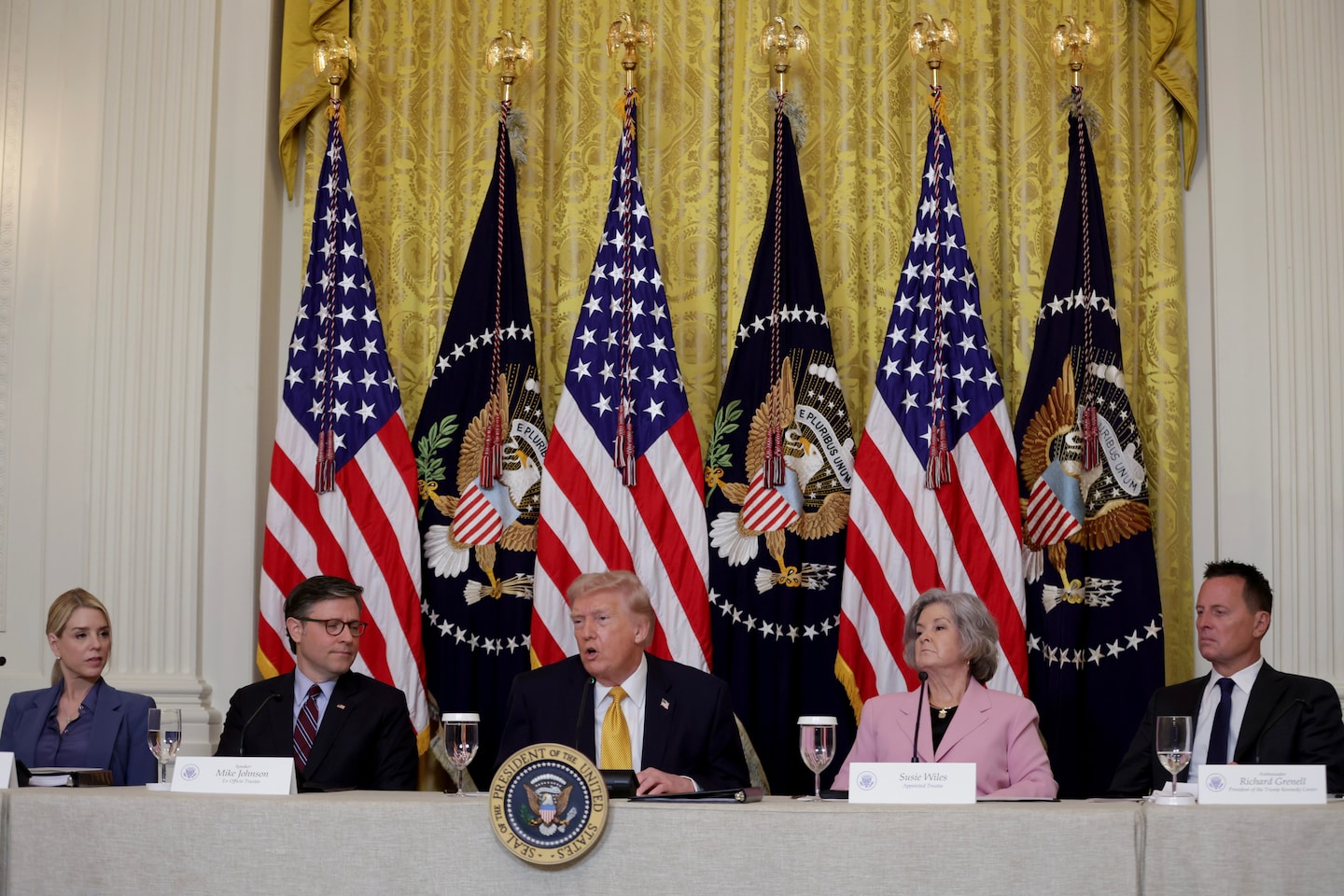
In a move that has sent ripples through the American arts community, the John F. Kennedy Center for the Performing Arts is set to close its doors for an unprecedented two years. This decision, approved unanimously by President Donald Trump’s handpicked board of trustees on Monday, paves the way for a renovation project estimated to cost a staggering $200 million. While presented as a necessary measure for the upkeep of a national treasure, the closure raises profound questions about cultural access, political influence, and the future of the performing arts in the nation's capital.
A National Icon on Pause
The Kennedy Center is more than just a venue; it is a living monument to President John F. Kennedy, a vibrant hub for artistic expression, and a global symbol of American cultural prowess. Housing the National Symphony Orchestra, the Washington National Opera, and hosting countless ballets, plays, and educational programs, its temporary shuttering represents a significant void in the cultural landscape. The rationale for the closure is ostensibly a comprehensive renovation, promising modern facilities and enhanced visitor experiences. However, the sheer scale of the project – both in cost and duration – demands deeper scrutiny.
The Price Tag and the Precedent
A $200 million price tag for a two-year renovation is substantial, sparking debate over public expenditure and funding priorities. While the specifics of the funding sources are yet to be fully detailed, such a significant investment in a cultural institution, particularly during a period of varying national priorities, will undoubtedly draw attention. Beyond the financial aspect, the unanimous vote by a board explicitly described as "the president’s handpicked" trustees introduces a layer of political intrigue. This dynamic raises questions about the autonomy of cultural institutions and the potential for executive influence to shape their operational decisions. Is this a prudent and necessary infrastructural upgrade, or does it signal a broader shift in how major cultural assets are managed and perceived at the highest levels of government?
Impact on the Arts Ecosystem
The two-year closure will have far-reaching implications. For the thousands of artists, performers, and production staff who rely on the Kennedy Center for employment and performance opportunities, the sudden cessation of operations presents immediate challenges. Audiences, both local and national, will be deprived of a major source of cultural enrichment. Furthermore, the ripple effect on surrounding businesses, from restaurants to hotels, that benefit from the center's visitors cannot be underestimated. The performing arts sector, often operating on tight margins, will need to adapt rapidly, with other venues potentially absorbing some displaced programs, or new platforms emerging to fill the void. The question remains: how will the D.C. arts community weather this hiatus, and what will be the lasting impact on its vibrancy?
Looking Ahead: A Revitalized Future or Lingering Questions?
When the Kennedy Center eventually reopens, presumably in a state of enhanced glory, it will face the task of re-engaging an audience that has been without its services for 24 months. The period of closure offers an opportunity for reflection and strategic planning, potentially allowing for innovative approaches to programming and community engagement upon its return. However, the circumstances of its closure – a swift decision by a politically aligned board for a significant, publicly-funded project – will likely remain a talking point. The challenge for the Kennedy Center will be to emerge from its cocoon not just with updated facilities, but with its independence and public trust reaffirmed, ensuring it continues to serve as an unassailable bastion of American art and culture, free from the perception of undue influence.