From Beirut to Dubai: How Escalating Middle East Conflict Puts the World's Economy on Edge
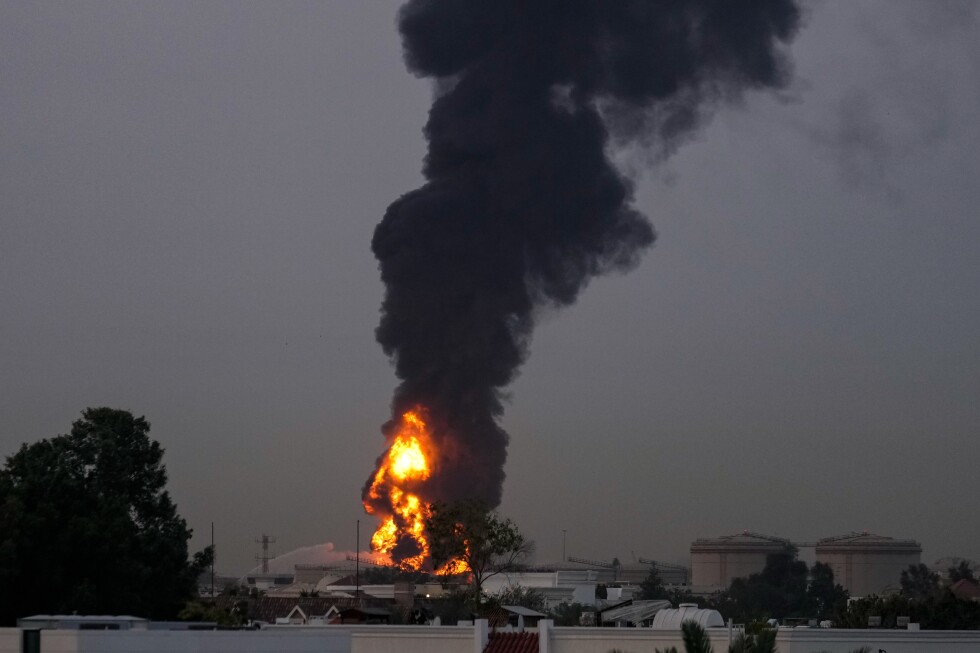
The Middle East once again finds itself at the precipice, with a multi-front conflict escalating dramatically and sending palpable ripples of anxiety across global capitals. Monday alone saw a flurry of alarming developments: intensified U.S.-Israeli strikes targeting military assets in Iran's capital, a relentless Israeli bombardment campaign in Lebanon, and, perhaps most startlingly, an Iranian drone strike that temporarily crippled Dubai's crucial international airport. These events paint a grim picture, signaling a dangerous widening of the conflict that now explicitly threatens global energy supplies, shipping lanes, and international commerce.
The Widening Fronts: Israel's Northern Campaign and Direct Engagement with Iran
Israel's escalated campaign in Lebanon is a critical flashpoint. While details remain fluid, the strikes are understood to target Iran-backed groups, primarily Hezbollah, which has been a persistent antagonist along Israel's northern border. This intense pressure campaign risks pushing the proxy conflict into a full-blown regional war, with devastating consequences for Lebanon and the potential to draw in more regional and international actors.
Concurrently, the U.S. and Israel's coordinated strikes on targets within Iran's capital represent a significant and perilous escalation. Moving beyond proxy skirmishes, direct attacks on a sovereign capital mark a dangerous departure, testing red lines and prompting questions about Iran's likely responses. This direct engagement raises the stakes exponentially, transforming a regional proxy war into a potential direct confrontation between major powers.
Iran's Global Reach: Stranglehold on Shipping and the Dubai Airport Incident
Perhaps the most globally disruptive act came with the Iranian drone strike on Dubai's international airport. As a vital global travel and logistics hub, its temporary shutdown sends a stark message: Iran possesses the capability and willingness to disrupt international commerce far beyond traditional conflict zones. This incident, coupled with Iran's established ability to exert a "stranglehold on shipping" – a clear reference to its influence over critical maritime choke points like the Strait of Hormuz – underscores a growing threat to global supply chains and energy security.
The implications for the global economy are profound. Dubai's airport is not merely a regional gateway but a linchpin in global air travel and cargo. An attack there highlights the vulnerability of critical infrastructure to asymmetric warfare tactics, directly impacting international trade, tourism, and business continuity. The broader fear of a global energy crisis, already exacerbated by geopolitical tensions, intensifies with every incident that threatens the free flow of oil and gas through the region.
Economic Fallout and Geopolitical Instability
The current trajectory of the Middle East conflict is directly fueling fears of a crippling global energy crisis. Disruptions to shipping, potential attacks on oil infrastructure, and the sheer uncertainty of the situation are already driving up commodity prices and creating volatility in global markets. For ordinary consumers, this translates directly to higher fuel costs, increased inflation, and a general dampening of economic growth prospects.
The geopolitical chessboard is increasingly complex. The U.S. remains a steadfast ally to Israel, providing crucial support amidst the escalating conflict. Iran, pursuing its regional ambitions, continues to leverage its network of proxies and asymmetric capabilities. Regional Arab states find themselves in an unenviable position, caught between great power rivalries and the immediate threat of spillover violence. The international community, grappling with multiple crises, faces immense pressure to find avenues for de-escalation before the situation spirals irrevocably out of control.
The Path Ahead: A World Held Hostage by Uncertainty
The events of this past Monday are not isolated incidents but symptoms of a deeply unstable region teetering on the brink. The escalating conflict, marked by direct strikes and audacious acts of disruption, suggests a perilous path towards a wider regional war. Such a scenario would have catastrophic humanitarian consequences and send shockwaves through the global economy, impacting everything from oil prices and supply chains to international travel and investment.
As the smoke clears from these latest confrontations, the world watches with bated breath. The urgency for diplomatic solutions, robust de-escalation efforts, and a coordinated international response has never been greater. Without them, the Middle East's flames threaten to engulf not just the region, but the fragile global peace and prosperity that hangs precariously in the balance.