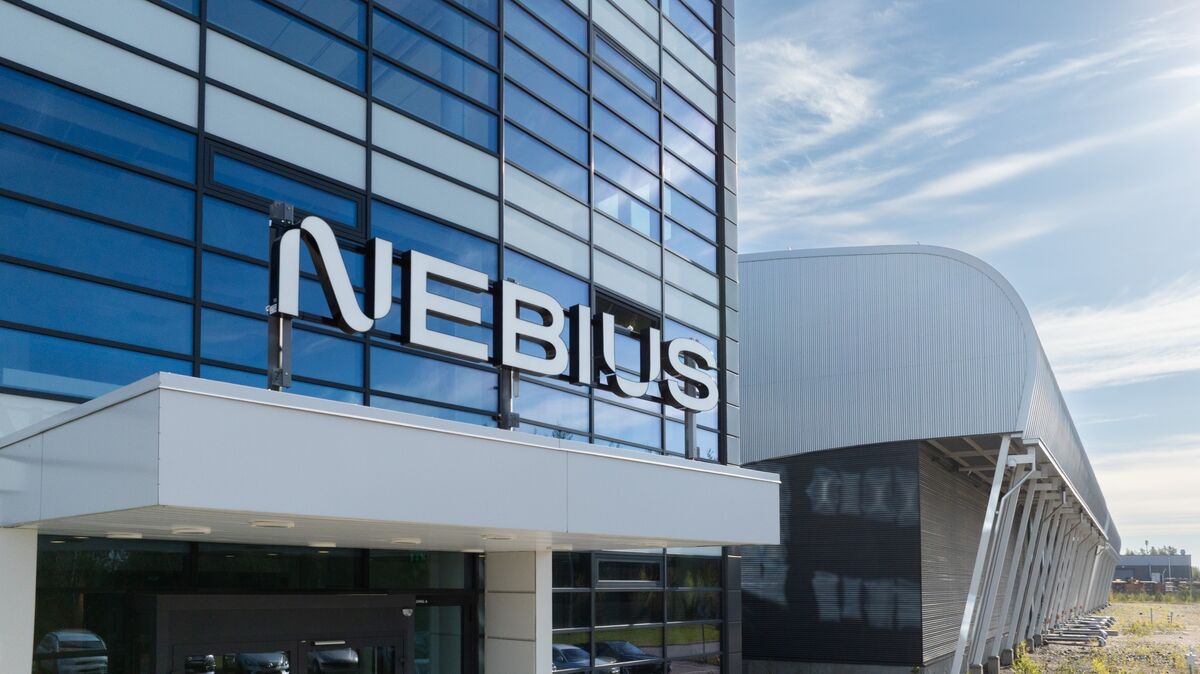
In a strategic move underscoring the escalating artificial intelligence arms race, Meta Platforms Inc. has committed an astounding sum of up to $27 billion over the next five years to cloud provider Nebius Group NV. This colossal investment is not merely about scaling operations; it's a foundational bet on Meta's ability to compete at the very vanguard of AI development, specifically in the realm of frontier models.
The Unprecedented Scale of Meta's AI Infrastructure Investment
The $27 billion figure is monumental, even for a tech giant of Meta’s stature. Spread across half a decade, this allocation highlights the critical importance of robust, scalable infrastructure in the pursuit of advanced AI. Training and deploying state-of-the-art AI models, particularly large language models (LLMs) and multimodal AI, demand unparalleled computational power, vast data storage, and high-speed networking. Meta's decision to outsource a significant portion of this infrastructure to Nebius Group NV suggests a strategic focus on acquiring specialized, high-performance capabilities without the full overhead of building every component in-house, or at least complementing their existing internal capacity significantly.
Nebius Group NV: A Strategic Partner in the AI Frontier
While Nebius Group NV may not be a household name in the same vein as AWS or Azure, this partnership elevates its profile significantly. The agreement implies that Nebius possesses the specific expertise and infrastructure tailored to the demanding needs of frontier AI models – requirements that go beyond standard cloud computing. This collaboration is indicative of a broader industry trend where specialized cloud providers are emerging to cater to the unique needs of AI development, offering optimized hardware, software stacks, and data management solutions crucial for massive-scale AI training and inference.
Fueling Meta's Broader AI Vision: From Llama to the Metaverse
This investment is inextricably linked to Meta's expansive ambitions in artificial intelligence. The company has been aggressively developing its Llama series of open-source large language models, pushing the boundaries of what’s possible with accessible AI. Beyond LLMs, Meta is investing heavily in AI for its metaverse vision, personal AI assistants, content moderation, and recommendation systems. Adequate infrastructure is the lifeblood for all these initiatives. Without the ability to rapidly iterate, train, and deploy increasingly complex models, Meta risks falling behind competitors who are equally committed to AI dominance. This partnership provides the computational backbone necessary to bring their next generation of AI products and experiences to life.
The AI Arms Race: Keeping Pace with Google, Microsoft, and Amazon
The tech world is locked in an intense AI arms race, with Google, Microsoft, and Amazon pouring billions into their respective AI endeavors. Microsoft's deep integration with OpenAI via Azure, Google's formidable Tensor Processing Units (TPUs) and vast cloud infrastructure, and Amazon's AWS offerings coupled with investments in Anthropic, all present significant competitive challenges. Meta's $27 billion commitment is a direct response to this landscape, signaling its unwavering resolve to not just participate, but to lead. It’s a clear message that Meta views AI infrastructure as a non-negotiable prerequisite for securing a dominant position in the evolving digital economy.
Future Implications: Innovation, Accessibility, and the Path Ahead
The implications of such a massive infrastructure investment are far-reaching. For Meta, it promises accelerated innovation cycles, allowing researchers and developers to push the boundaries of AI more rapidly. It could lead to more sophisticated Llama models, more immersive metaverse experiences, and more intelligent AI assistants. For the broader industry, it underscores the escalating costs of cutting-edge AI development, potentially widening the gap between mega-corporations and smaller players. However, Meta's commitment to open-sourcing some of its AI research could also mean that the benefits of this infrastructure, albeit indirectly, contribute to wider AI accessibility and innovation.
The success of this $27 billion bet will hinge on Meta’s ability to effectively leverage this infrastructure, translate computational power into groundbreaking products, and navigate the ethical and societal challenges posed by advanced AI. It’s a high-stakes game, and Meta has just upped its ante significantly.