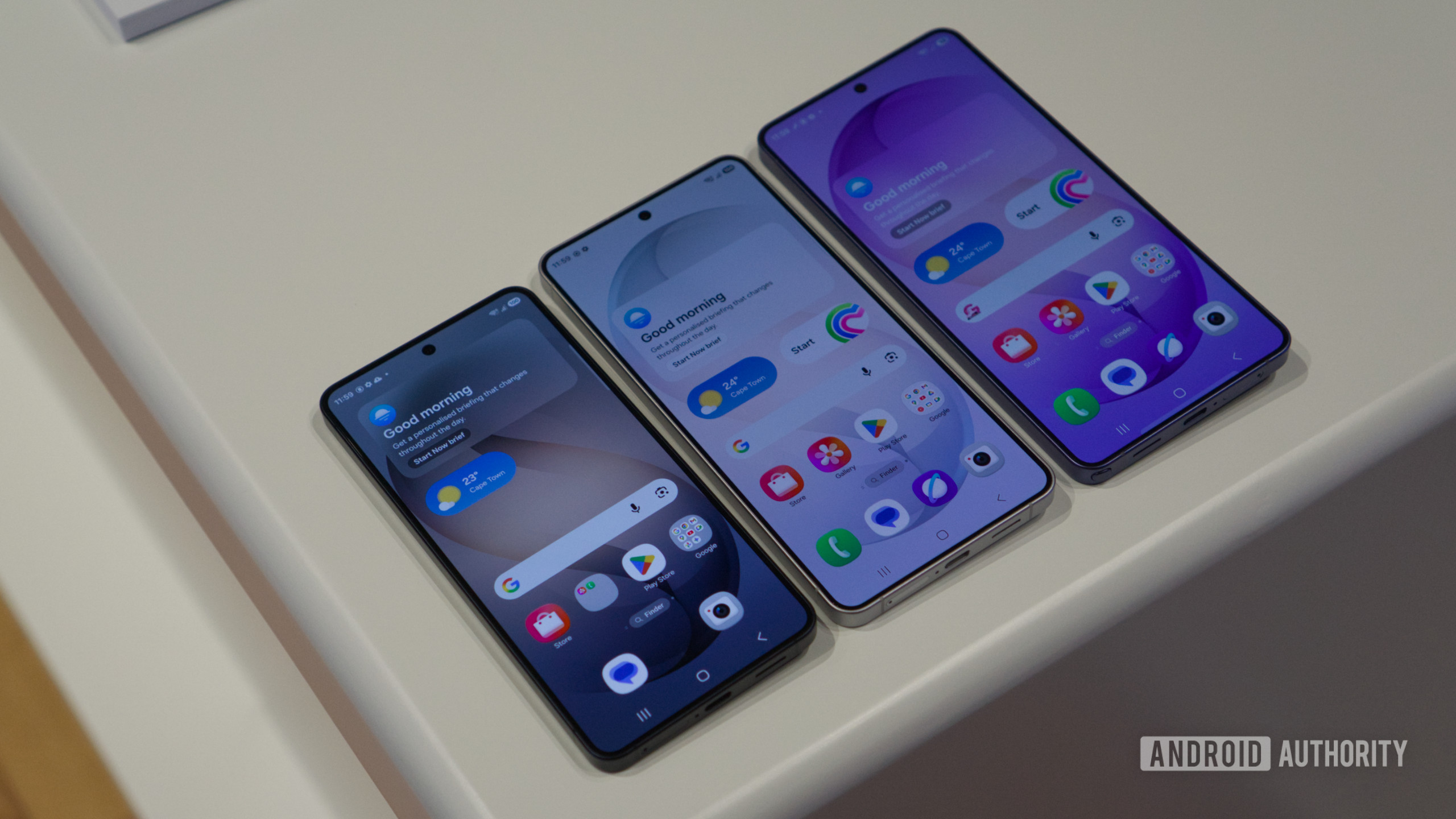
The tech world is abuzz with the phenomenal success of Samsung's latest flagship, the Galaxy S26 series, which has reportedly shattered pre-order records. On the surface, this news paints a picture of triumph for the South Korean electronics giant, signaling strong consumer demand and a robust market position. Yet, beneath this veneer of success lies a deeply troubling reality: Samsung's mobile unit is reportedly in "emergency management" due to significant financial concerns, battling rising operational costs and the looming threat of a deficit. This stark contradiction begs a crucial question: How can a product with unprecedented demand simultaneously plunge its parent division into crisis?
The Illusion of Success: Record Sales vs. Real Margins
Record pre-orders are undoubtedly a powerful indicator of market excitement, effective marketing, and a strong brand ecosystem. For Samsung, the Galaxy S26 represents the pinnacle of their mobile innovation, packed with cutting-edge features designed to entice consumers. However, pre-order numbers, while impressive, do not always translate directly into healthy profit margins. The modern smartphone market is fiercely competitive, characterized by aggressive pricing strategies, rapid technological advancements, and increasing consumer expectations. Samsung, like its rivals, invests astronomical sums in research and development, manufacturing, global marketing campaigns, and intricate supply chain logistics.
The Undercurrents of Financial Distress
The "emergency management" status at Samsung Electronics points to systemic issues beyond a single product launch. Several factors are likely contributing to this precarious situation:
- Rising Production Costs: The global economic landscape has seen a significant surge in the cost of raw materials, semiconductors, and other critical components. Manufacturing labor costs are also on an upward trajectory. These inflationary pressures directly impact the bill of materials for high-end devices like the Galaxy S26, squeezing profit margins even before the devices hit the shelves.
- Intensified Competition: While Samsung and Apple dominate the premium segment, a host of aggressive Chinese manufacturers (Xiaomi, Huawei, Oppo, Vivo) are consistently releasing high-quality, feature-rich devices at more competitive price points. This pressure forces Samsung to either maintain premium pricing and risk losing market share or lower prices and further erode profit margins.
- Global Economic Headwinds: A general slowdown in global economic growth, coupled with inflationary environments in key markets, means consumers are tightening their belts. While early adopters might still flock to new flagships, the broader market may be more hesitant, impacting overall sales volume over the device's lifecycle.
- Logistics and Supply Chain Volatility: Despite some stabilization post-pandemic, supply chain disruptions can still lead to increased shipping costs, delays, and the need for expensive last-minute solutions, all eating into profitability.
- Aggressive Marketing Spend: To generate "record pre-orders," Samsung likely poured significant resources into pre-launch hype and marketing, a necessary but costly endeavor that must be offset by robust profitability per unit.
Drastic Measures and Future Implications
The decision to enter "emergency management" signifies a call for drastic measures. Such actions typically involve rigorous cost-cutting initiatives across the board. This could manifest as:
- Operational Efficiency Drives: Streamlining internal processes, reducing waste, and optimizing resource allocation.
- Negotiations with Suppliers: Pressuring component suppliers for better pricing, potentially even diversifying supply chains to reduce reliance on single vendors.
- Strategic Product Portfolio Adjustments: Re-evaluating the number of models, features offered, and pricing tiers to maximize profitability. This could mean fewer budget options or a stronger focus on components produced in-house.
- Employee-Related Measures: While not explicitly stated, "economy-clas..." could hint at travel restrictions, hiring freezes, or even more severe measures if the situation doesn't improve.
For the broader tech industry, Samsung's predicament serves as a sobering reminder that even market leaders are not immune to macro-economic forces and intense competitive pressures. It underscores the challenges of maintaining profitability in a high-volume, low-margin segment, even with acclaimed products. Consumers, too, might feel the ripple effects, potentially seeing future Samsung devices with higher price tags, fewer 'luxury' features, or a shift in the company's long-term product strategy towards more profitable segments.
Navigating the Storm
Samsung's mobile unit faces a critical juncture. The immediate challenge is to convert the undeniable hype of the Galaxy S26 into sustainable profit while navigating a turbulent economic environment. Their ability to innovate, adapt their cost structure, and strategically position their products in a cutthroat market will determine whether this "emergency mode" is a temporary blip or a harbinger of more profound shifts within the global tech landscape. The coming months will reveal the true impact of these behind-the-scenes struggles on one of the world's most influential technology brands.