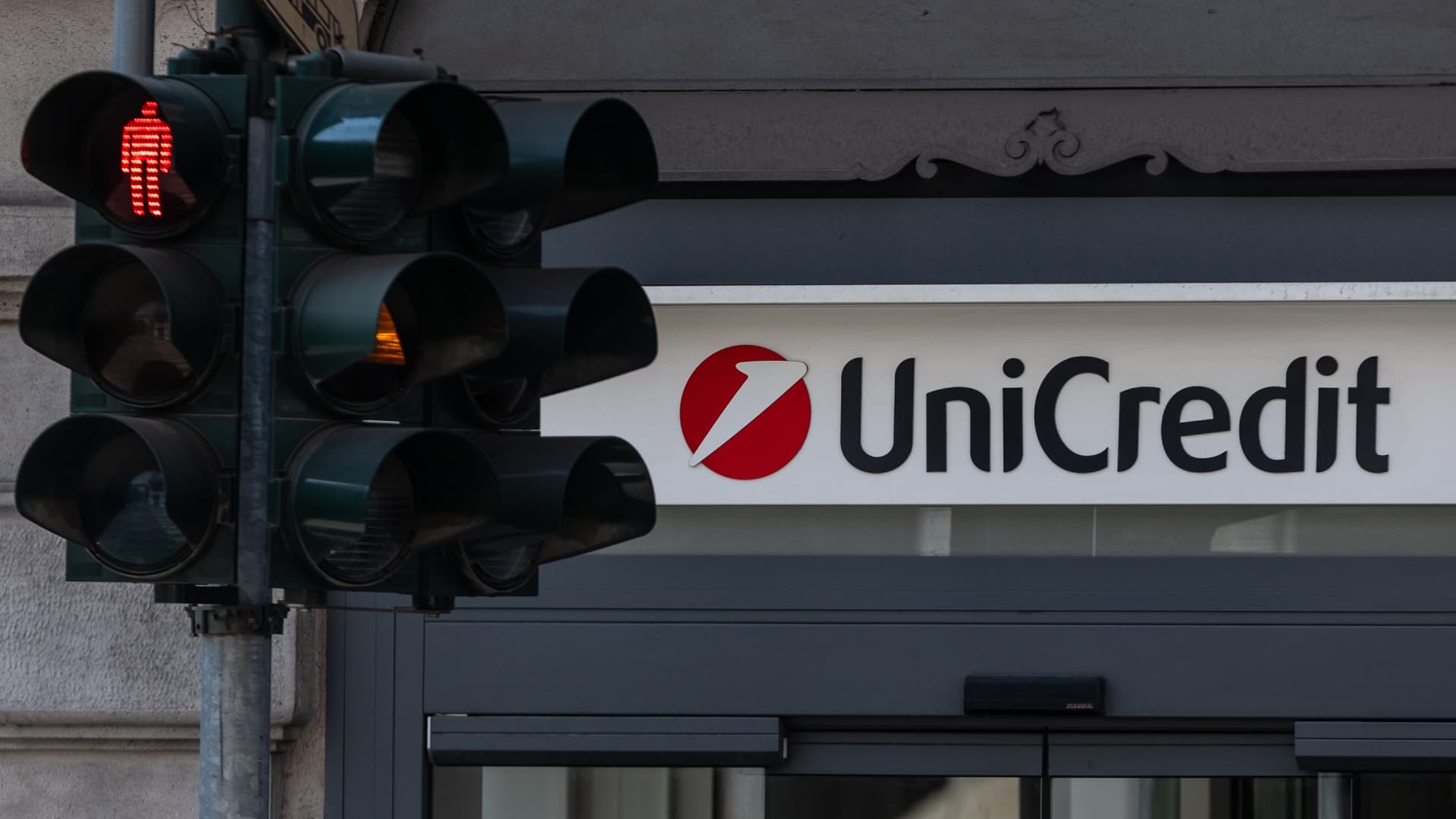
The European banking landscape is abuzz with UniCredit’s audacious move to significantly increase its stake in Commerzbank, launching a voluntary takeover offer aimed at surpassing the crucial 30% regulatory threshold. This development signals more than just a strategic investment; it lays the groundwork for a potential full takeover, poised to reshape the competitive dynamics of two of Europe's largest economies and potentially trigger a wave of consolidation across the continent.
Context: The 30% Threshold and Strategic Significance
For financial institutions operating within the Eurozone, crossing the 30% ownership mark in a listed company is not merely an incremental stake; it's a critical regulatory inflection point. Under German law, exceeding this threshold often triggers a mandatory tender offer for all remaining shares, effectively obliging the acquirer to make a formal bid for outright control. UniCredit's explicit intention to build its stake "above 30%" through a voluntary offer, as reported, demonstrates a clear, pre-meditated strategy towards gaining dominant influence, if not full ownership. This move positions Commerzbank, a pillar of German finance with a chequered history of consolidation attempts, firmly in UniCredit's sights.
UniCredit's Strategic Play: Why Commerzbank?
The rationale behind UniCredit's pursuit of Commerzbank is multi-faceted and deeply strategic. For the Milan-headquartered giant, Germany represents a highly attractive, yet competitive, market. A successful integration of Commerzbank would offer:
- Market Expansion: Immediate and substantial penetration into Germany's lucrative retail and corporate banking sectors, complementing UniCredit's existing presence.
- Cost Synergies: Significant opportunities for cost rationalization through combined operations, technology integration, and branch network optimization. This could yield billions in savings over time.
- Diversification & Scale: A larger, more diversified revenue base, enhancing UniCredit's ability to compete with global banking titans and mitigating regional economic downturns.
- Balance Sheet Strength: The combined entity would possess a formidable balance sheet, potentially improving credit ratings and reducing funding costs.
This move also reflects a broader trend of banks seeking scale in a high-interest rate environment, where size can translate into greater profitability and resilience against economic shocks.
Implications for Commerzbank: A New Chapter?
For Commerzbank, which has faced its share of struggles and restructuring efforts in recent years, UniCredit's offer could represent a pivotal moment. While some shareholders might welcome a premium for their shares, the prospect of a foreign takeover could stir nationalistic sentiments in Germany, where the government still holds a significant stake following the 2008 financial crisis bailout. A successful merger would likely entail:
- Operational Integration: A complex and potentially disruptive process of merging IT systems, corporate cultures, and product offerings.
- Workforce Impact: Rationalization of overlapping roles and departments, leading to potential job losses, particularly in administrative functions.
- Brand Evolution: The eventual phasing out or rebranding of the Commerzbank name in certain markets, integrating it under the UniCredit umbrella.
However, it also offers Commerzbank access to UniCredit's broader international network, advanced digital capabilities, and a potentially more robust capital base, which could fuel future growth and innovation.
The Broader European Banking Consolidation Play
If successful, UniCredit's bid for Commerzbank could serve as a powerful catalyst for further cross-border consolidation in Europe's notoriously fragmented banking sector. Despite years of calls from regulators for stronger, larger European champions to compete with US and Asian rivals, national barriers, divergent regulatory regimes, and political resistance have largely stifled significant cross-border M&A. This potential deal could:
- Signal Regulatory Comfort: Indicate a growing willingness among European regulators to approve significant cross-border mergers.
- Spur Rivals: Prompt other major European banks to seek out similar opportunities for scale and market expansion.
- Pressure Weaker Players: Increase pressure on smaller or less efficient banks to consolidate or risk being left behind.
The European Central Bank has long advocated for consolidation to improve profitability and stability, and this deal could be a crucial test case for their ambitions.
Challenges and Roadblocks Ahead
Despite the strategic imperative, UniCredit's path to a full Commerzbank takeover is fraught with potential challenges:
- Regulatory Hurdles: Gaining approvals from German and European banking regulators (ECB, BaFin) will be critical, especially concerning market concentration and systemic risk.
- Political Opposition: German government's stake and potential nationalistic pushback could complicate matters.
- Integration Risk: Merging two large, complex financial institutions is notoriously difficult, with cultural clashes and technical integration often leading to significant post-merger inefficiencies.
- Market Volatility: Economic headwinds or unexpected market shifts could impact the deal's valuation and feasibility.
Conclusion: A Defining Moment for European Finance?
UniCredit's calculated move on Commerzbank is more than just a corporate play; it's a potential watershed moment for the European banking industry. Should the Italian lender successfully navigate the regulatory, political, and integration challenges, it could create a banking behemoth with significant reach across two of Europe's economic powerhouses. More broadly, it could finally kickstart the long-awaited consolidation wave, forging a stronger, more competitive European financial sector capable of standing shoulder-to-shoulder with global leaders. All eyes will now be on Milan and Frankfurt as this high-stakes game unfolds.