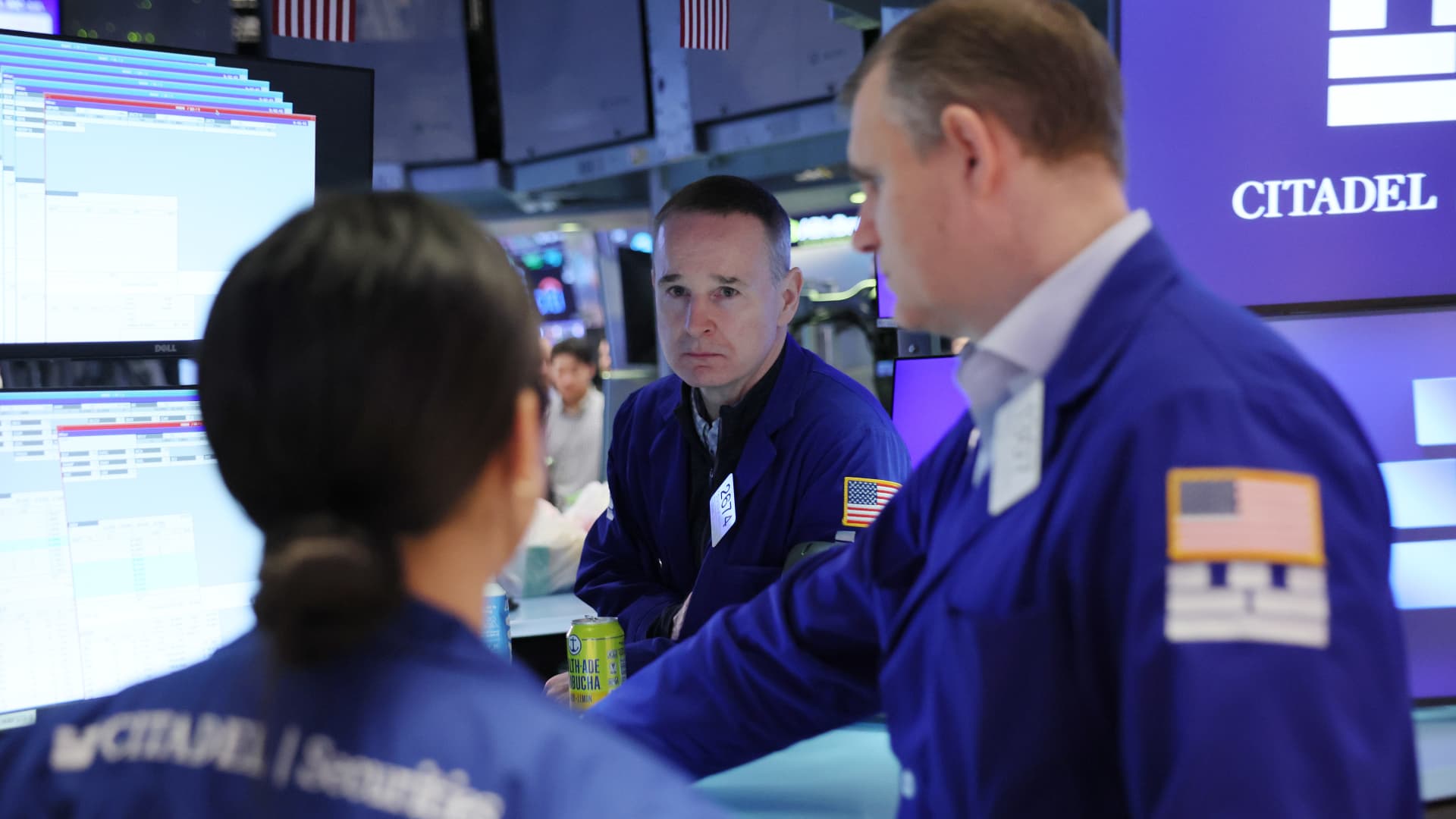
Wall Street stands at a crossroads, grappling with a confluence of economic headwinds and geopolitical tremors. After an unsettling three-week losing streak that saw the S&P 500 close at its lowest level of the year, investors are cautiously optimistic as stock futures show a slight uptick. Yet, this fragile attempt at recovery is overshadowed by oil prices hovering stubbornly around the $100 mark and the ever-present specter of the U.S.-Iran conflict.
The S&P 500's Unsettling Slide
The past few weeks have been a challenging period for equity markets. The S&P 500, a key barometer for the broader economy, has succumbed to significant selling pressure, marking three consecutive weeks of declines. Friday's close, specifically, represented a nadir for the year, indicating deep-seated investor apprehension. This downturn isn't merely a fleeting dip; it reflects growing concerns over persistent inflation, the potential for further interest rate hikes by central banks, and a general deceleration in global economic growth.
Investors are increasingly weighing the risks of a looming economic slowdown against corporate earnings expectations, creating a volatile environment where defensive plays are gaining traction and high-growth sectors face renewed scrutiny.
Oil at $100: A Double-Edged Sword
Central to the current market anxiety is the resurgence of oil prices, with crude hovering around the critical psychological and economic threshold of $100 per barrel. The implications are far-reaching:
- Inflationary Pressure: Higher oil prices directly translate to increased costs for transportation, manufacturing, and consumer goods, potentially reigniting inflationary pressures that central banks have worked diligently to curb.
- Consumer Spending Squeeze: Elevated fuel prices eat into household budgets, reducing discretionary spending and potentially impacting retail sales and broader economic activity.
- Corporate Margins: Businesses face higher operational costs, which can compress profit margins and negatively affect earnings reports, further dampening investor sentiment.
The persistence of oil at this level is a significant headwind, making the path to disinflation more arduous and complicating the policy decisions of global monetary authorities.
Geopolitics: The Shadow of Conflict
Further exacerbating market jitters are developments surrounding the U.S.-Iran war. Geopolitical conflicts, particularly those involving major energy-producing regions, introduce immense uncertainty into global markets. The threat of supply disruptions, heightened security risks, and the potential for broader regional instability directly impact investor confidence and commodity prices.
The ongoing tensions serve as a stark reminder of how interconnected global politics and economics have become. Any escalation could quickly send oil prices soaring further, triggering a cascade of negative economic consequences and pushing already fragile markets deeper into correction territory.
Navigating the Path Forward
As Wall Street attempts to find its footing, the landscape remains fraught with challenges. The slight rise in stock futures offers a glimmer of hope, suggesting that some investors are looking for entry points after the recent sell-off. However, this recovery is tentative and highly susceptible to external shocks.
Key factors that will dictate the market's trajectory in the coming weeks include:
- Oil Price Stability: Whether crude can retreat from the $100 mark and maintain a more stable range.
- Geopolitical De-escalation: Any signs of easing tensions in the Middle East would significantly reduce market uncertainty.
- Inflation Data: Upcoming economic reports will be crucial in shaping expectations for future interest rate decisions.
- Corporate Earnings: The performance of major companies in the upcoming earnings season will provide insights into the resilience of various sectors amidst these headwinds.
In conclusion, the current market environment demands vigilance and a deep understanding of intertwined economic and geopolitical forces. While the desire for recovery is palpable, investors must brace for continued volatility as the global economy navigates this complex and unpredictable period.