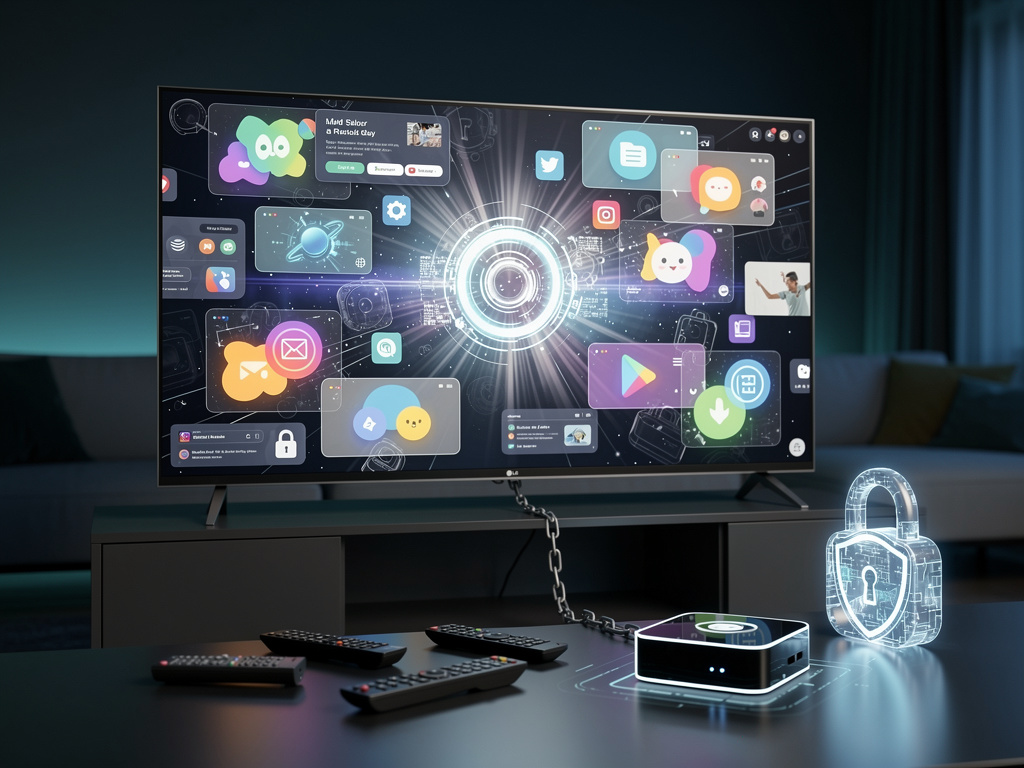
The Uninvited Guest: LG, Copilot, and the Battle for Your Smart TV's Soul
A NovaPress Deep Dive into Consumer Sovereignty in the Age of Smart Devices
In an age where our homes are increasingly interconnected, our devices are meant to serve us. Yet, a recent move by LG has ignited a fiery debate, pushing the boundaries of consumer sovereignty and digital privacy. A software update, rolled out to countless LG Smart TVs, has forcibly installed Microsoft Copilot, an AI assistant, with no option for removal. This audacious deployment has sparked widespread user backlash, forcing us to confront uncomfortable questions about who truly controls our smart devices and the sanctity of our digital living spaces.
The Core of the Conflict: Bloatware and Lost Autonomy
The most immediate complaint from users is the unremovable nature of Copilot. Unlike optional app installations, this AI assistant is now a permanent fixture on their televisions. For many, this represents the quintessential definition of 'bloatware' – unwanted software that consumes system resources, potentially slowing down the device, and cluttering the user experience. The feeling of having an application pushed onto your personal device, with no recourse to uninstall it, erodes the fundamental sense of ownership and control. It transforms a purchased product from a user's tool into a platform for external interests, regardless of user consent or preference.
Privacy in the Living Room: An AI's Gaze
Beyond the inconvenience of bloatware, the installation of Microsoft Copilot raises significant privacy alarms. AI assistants, by their very nature, are designed to listen, learn, and process user data to provide personalized services. The placement of such a powerful data-gathering tool on a device as central as a living room television is deeply unsettling for many. What data will Copilot collect? Voice commands? Viewing habits? Interaction patterns? How will this data be used, stored, and shared? Without clear, transparent, and user-consented privacy policies that are easily accessible and actionable, the forced inclusion of an AI assistant becomes a Trojan horse for potential surveillance and data exploitation, transforming a private space into a data collection hub.
The Broader Battle: Consumer Sovereignty in the IoT Era
This incident is not an isolated one; it is a potent symptom of a larger, escalating tension in the smart device ecosystem. From smartphones to smart home hubs, and now smart TVs, manufacturers are increasingly leveraging software updates to alter device functionality, introduce new features (or bloat), and integrate third-party services. The LG-Copilot saga underscores a critical question: In the age of the Internet of Things (IoT), do we truly own our devices, or are we merely licensing an ever-evolving service dictated by manufacturers and their partners? The line between hardware purchase and subscription service is blurring, often to the detriment of consumer choice and control.
Corporate Strategy vs. User Trust: A Dangerous Gamble
From a corporate perspective, the motivation behind such moves is often multifaceted: fostering strategic partnerships (like LG with Microsoft), creating new revenue streams through data or premium services, or simply adding perceived "value" through advanced features. However, forcing unwanted software onto loyal customers is a dangerous gamble. While it might offer short-term gains or fulfill partnership agreements, the long-term cost could be catastrophic. Erosion of brand trust, widespread negative sentiment, and potential consumer migration to more user-centric competitors are very real risks. Consumers are increasingly valuing transparency, choice, and control over their digital lives, and companies that disregard these principles do so at their peril.
Charting the Future: Reclaiming Digital Autonomy
The LG Copilot backlash serves as a crucial wake-up call for both industry and consumers. For manufacturers, it's a stark reminder that innovation must go hand-in-hand with respect for user autonomy and privacy. Offering clear opt-out options, transparent communication about updates, and truly value-added features that enhance, rather than detract from, the user experience should be paramount. For consumers, it reinforces the need for vigilance, critical evaluation of smart device purchases, and advocacy for stronger digital rights. Policy makers may also need to consider regulations that safeguard consumer choice and prevent coercive software installations on purchased hardware.
As our homes become smarter, the battle for control over our digital spaces will only intensify. The LG-Copilot controversy is a pivotal moment, highlighting the urgent need for a more balanced relationship between technology providers and the individuals whose lives they seek to integrate into. Ultimately, the future of smart devices hinges on whether companies choose to empower users or merely exploit them as passive endpoints in a vast, interconnected network.