A Shadow Over Skies: The Unseen Perils of Military Service in Iraq After Tragic Refueling Plane Crash
Published by NovaPress Editorial Board | Exclusive Feature
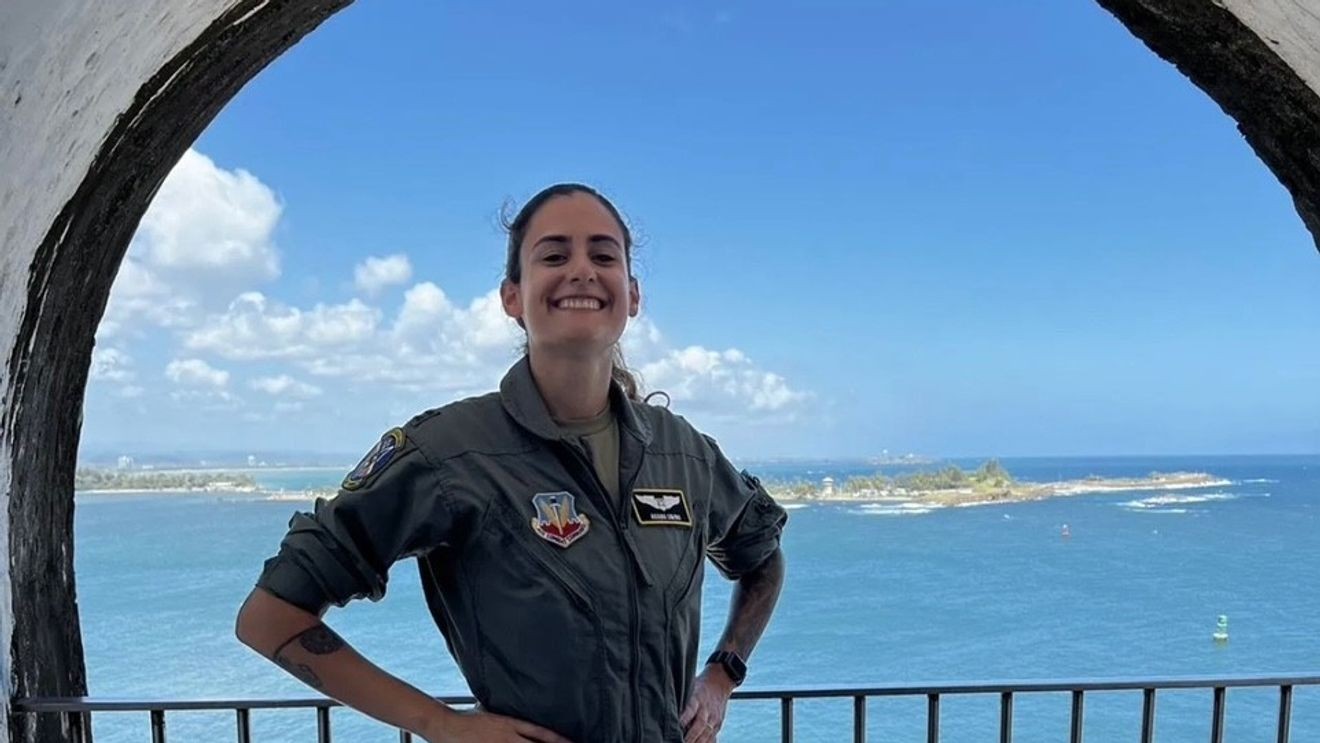
SEATTLE – The nation mourns the loss of six brave service members, including a beloved Air Force Captain hailing from Covington, following a devastating U.S. military refueling plane crash in Iraq last Thursday. While details surrounding the incident remain under investigation, this tragedy casts a stark reminder of the inherent dangers and profound sacrifices made by those who serve, even in operations deemed routine or within 'friendly' territories.
The Silent Lifeline: Refueling Operations
Mid-air refueling operations are the unsung heroes of modern air power, enabling aircraft to extend their range, duration, and operational effectiveness without the need to land. Platforms like the KC-135 Stratotanker (a common refueling aircraft, though not explicitly named for this incident) are crucial for global power projection, allowing fighter jets, bombers, and transport aircraft to reach distant theaters, maintain continuous patrols, and support ground operations. These missions are meticulously planned and executed, requiring exceptional skill, precision, and coordination from highly trained aircrews. Yet, for all their critical importance, they are not without risk.
The Human Cost: Lives Behind the Mission
Each of the six service members identified by the U.S. Department of War represented a life dedicated to protecting national interests, a family left shattered, and a community grappling with an unimaginable loss. The mention of a Covington Air Force Captain brings the national tragedy home, personalizing the sacrifice for countless Americans who may have known or admired the fallen. This incident underscores that military service, regardless of whether a country is officially 'at war' in a conventional sense, carries a constant, often invisible, threat. The operational environment in Iraq, while stabilized compared to previous years, remains complex, demanding vigilance and presenting unique challenges for aircrews operating within its airspace.
Investigation and Implications: Seeking Answers
Military aviation accidents trigger exhaustive investigations aimed at understanding the precise sequence of events leading to a crash. Factors typically examined include mechanical failure, human error, maintenance issues, environmental conditions, and potential external influences. While the source notes the incident occurred in a 'friendly' zone, ruling out enemy action as a primary cause, the inquiry will nonetheless be comprehensive. The findings will be crucial not only for providing closure to the families but also for informing future safety protocols, training adjustments, and equipment upgrades, ensuring the highest standards of operational safety for all military personnel.
Beyond the Headlines: The Future of Forward Presence
This tragedy prompts a broader reflection on the nature of enduring U.S. military presence in regions like Iraq. While the immediate focus is on the fallen, the incident highlights the continuous commitment and inherent risks undertaken by American forces abroad. Their presence often serves vital roles, from counter-terrorism efforts to training and advising local partners, contributing to regional stability. However, every mission, every flight, every deployment carries a potential cost, reminding us that even in periods of relative peace, the responsibilities of global leadership and defense are borne by individuals who face unpredictable dangers.
As the nation mourns and investigators work diligently to uncover the truth, the memory of the six service members, including the Air Force Captain from Covington, will serve as a poignant reminder of the unwavering dedication and profound sacrifice that underpins the security and freedoms we often take for granted. NovaPress extends its deepest condolences to the families, friends, and colleagues affected by this tragic loss.