Slay the Spire 2's Early Access: A Familiar Climb Up a Well-Worn Spire?
The original Slay the Spire didn't just innovate; it defined a sub-genre, combining the strategic depth of deck-building with the relentless replayability of roguelikes. Its impact was so profound that a sequel, Slay the Spire 2, was met with immense anticipation. Now in Early Access, initial impressions are surfacing, and while new characters are garnering praise, a recurring sentiment highlights a potential pitfall: "it feels like we've done this before." NovaPress delves into this delicate balance, examining how familiarity can be both a comfort and a constraint for one of gaming's most awaited follow-ups.
The Echo of Excellence: When Familiarity Becomes a Question Mark
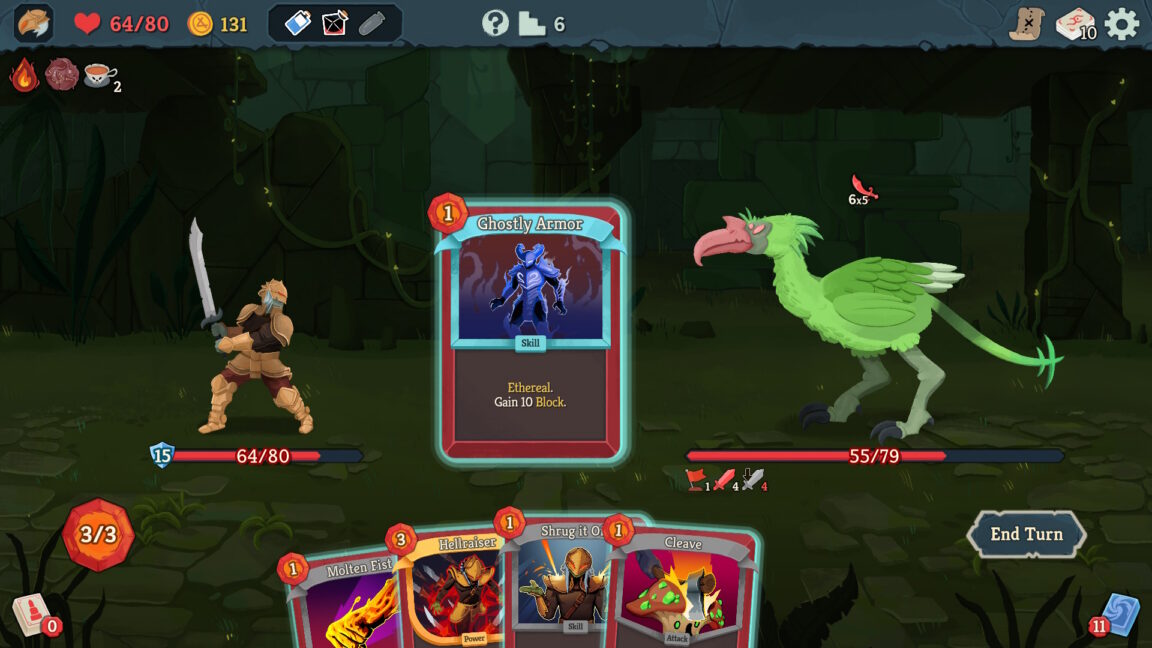
At its core, Slay the Spire 2 retains the beloved loop that captivated millions: ascend a procedurally generated spire, engage in turn-based card combat, upgrade your deck, and make critical choices at branching paths. The user interface, the distinct sound design, and the overall rhythm of progression are immediately recognizable. For many, this is precisely the appeal – a return to a proven formula, polished and ready for more. The comfort of returning to a familiar, masterful system offers an instant sense of gratification and a low barrier to entry for veterans.
However, the "Ars Technica" impression hints at the darker side of this familiarity. While comfort is good, for a full-fledged sequel, it can easily slide into stagnation. When players feel they've "done this before," it suggests a lack of fundamental innovation or significant evolution from its predecessor. The question isn't whether the game is good – the original template ensures a high baseline – but whether it offers enough new to justify the "2" in its title, beyond just being more of the same, albeit slightly different.
The Beacon of Innovation: New Characters and What They Bring
Where Slay the Spire 2 undeniably shines, according to early reports, is in its introduction of new playable characters. These characters are not mere reskins; they bring genuinely fresh mechanics, unique card pools, and distinct strategic approaches that force players to re-evaluate their tactics. From what we gather, these new archetypes offer exciting build diversity and fresh challenges, injecting a much-needed dose of novelty into the core gameplay loop.
The brilliance of the original lay in its character design, and the sequel appears to be building on that strength. Each new character promises a unique journey up the Spire, encouraging experimentation and mastery of novel systems. Yet, even with these fresh faces, if the overarching structure and progression feel too identical, the innovative character designs might serve more as variations on a theme rather than a radical departure, inadvertently reinforcing the sense of déjà vu.
The Weight of Legacy: Expectations for a "2"
The original Slay the Spire was a phenomenon, establishing a genre standard. When a game reaches such iconic status, the expectations for its sequel become monumental. Players anticipate not just more content, but a significant leap forward, a re-imagining, or a substantial expansion of the foundational elements. Consider other highly anticipated roguelike sequels: Hades II introduces entirely new realms, gods, and meta-progression systems; updates to games like The Binding of Isaac continually add transformative items and fundamental gameplay alterations.
A true "2" in the gaming world often implies a new engine, vastly expanded lore, innovative game modes, or even a re-imagined core loop that builds upon, but fundamentally alters, the predecessor's design. If Slay the Spire 2, even in Early Access, is primarily offering more characters within a largely unchanged framework, it risks being perceived as an excellent expansion or a highly polished 1.5 rather than a full-blown successor.
Charting the Future: Early Access Potential and Player Hopes
Crucially, Slay the Spire 2 is in Early Access, a phase specifically designed for iteration and evolution based on player feedback. This affords the developers a golden opportunity to address the "too familiar" sentiment. The community will be eager to see if future updates introduce more than just new characters or cards. Could we see radically different biomes that demand unique strategies, entirely new meta-progression systems, or even alternative objectives that break the traditional Spire ascent?
The challenge for the developers lies in preserving the core genius that made the original so beloved, while simultaneously injecting enough genuine novelty to distinguish the sequel. Balancing iterative refinements with bold innovations will be key to ensuring Slay the Spire 2 transcends the shadow of its predecessor and truly earns its numerical designation. Player feedback during this period will undoubtedly shape its ultimate trajectory.
Conclusion
Slay the Spire 2 currently stands at a fascinating crossroads. Its strong foundation and new character designs are undeniable assets, promising countless hours of engaging gameplay for fans of the original. Yet, the palpable sense of familiarity raises important questions about its identity as a sequel. As the game evolves through Early Access, NovaPress will be keenly watching to see if the developers choose to lean into the comfortable familiarity or dare to ascend to truly new, uncharted heights, cementing its legacy not just as a great game, but as a revolutionary successor.