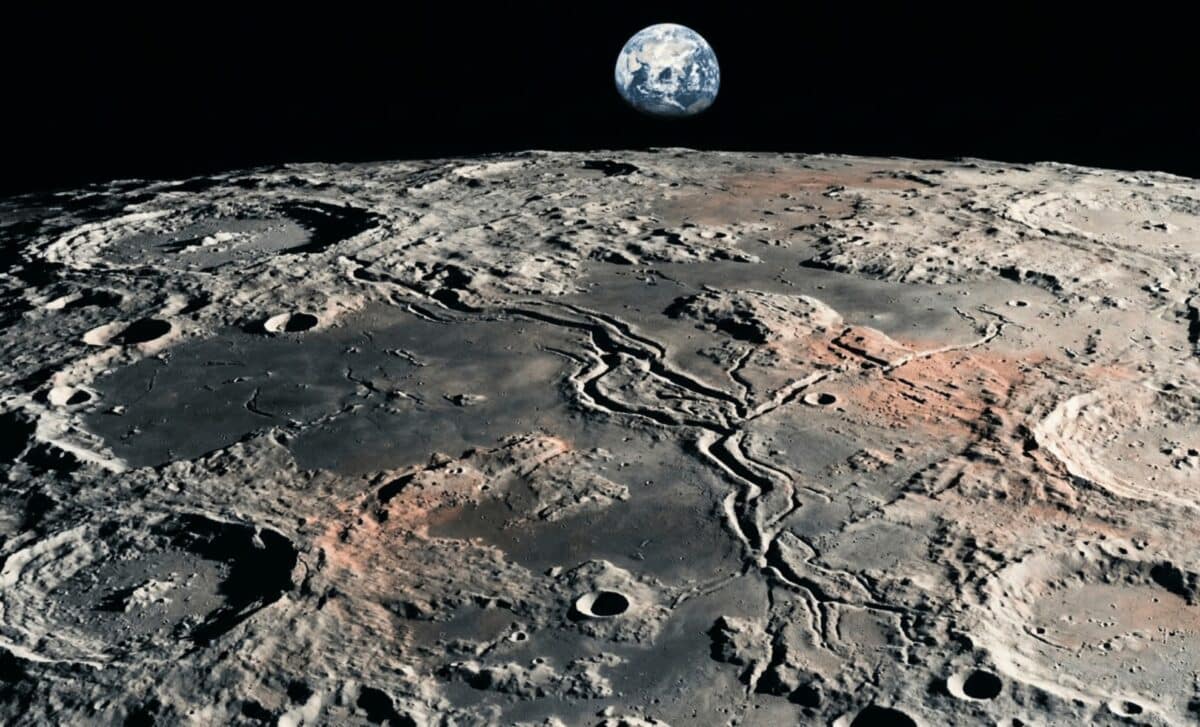
NovaPress Exclusive: The Volcanic Frontier – China's Bold Leap Towards Lunar Dominance
The cosmos has a new focal point, and it’s a previously little-known volcanic stretch of the Moon. On March 9, 2026, the world received a clearer picture of China's audacious lunar ambitions as a new report highlighted the precise volcanic region near the lunar equator chosen for its first astronaut moonwalk. This isn't merely about planting a flag; it's a strategic move that heralds a new era in space exploration, promising scientific breakthroughs and potentially reshaping the geopolitics of the final frontier.
A New Lunar Frontier: Beyond a Safe Landing Zone
For decades, lunar missions have prioritized safe, flat landing sites. However, China's selection of a volcanic region signifies a profound shift in priorities. This isn't just a convenient spot; researchers believe this particular area near the lunar equator holds scientific treasures far beyond what a typical landing zone offers. Volcanic regions on celestial bodies are often prime candidates for discovering unique geological formations, evidence of past geological activity, and potentially vital resources locked within their ancient rocks.
The Moon's volcanic past is a story of immense energy and transformation. These areas could contain different compositions of lunar regolith and rock, providing invaluable samples for understanding the Moon's formation and evolution. Imagine the insights gained from studying primordial volcanic materials, potentially offering clues about the early solar system or even the conditions necessary for life.
Strategic Precision: Why a Volcanic Region?
China's meticulous planning points to a mission driven by scientific ambition and strategic foresight. While the exact coordinates remain guarded, the emphasis on a volcanic region suggests a hunt for specific geological or resource-related objectives. These areas could harbor concentrations of rare earth elements, vital minerals, or even trapped volatiles in shadowed craters or subsurface ice, which would be crucial for future long-term lunar habitation and resource utilization.
The choice also speaks volumes about China's confidence in its technological capabilities. Landing and operating in a rugged, volcanic terrain presents significant engineering challenges, requiring advanced navigation, sophisticated robotics, and robust life support systems. Successfully navigating such a landscape would not only be a testament to China's engineering prowess but also provide crucial experience for even more complex future missions, perhaps even establishing permanent lunar outposts.
China's Ascending Space Prowess: A Global Contender
This announcement arrives amidst a backdrop of China's rapidly accelerating space program. With successful Chang'e lunar missions, including the groundbreaking far side landing, and the operational Tiangong space station, China has firmly established itself as a formidable force in the cosmos. Their ambitions are clear: to not only reach the Moon but to understand it, utilize its resources, and eventually establish a sustained human presence.
The 'date is set' for this pivotal moonwalk, placing China in direct competition, and perhaps collaboration, with other spacefaring nations like the United States and its Artemis program. This new 'Space Race' isn't just about who gets there first, but who can sustainably operate and innovate on the lunar surface. China's focus on a scientifically rich, yet challenging, volcanic site underscores its commitment to comprehensive lunar exploration rather than mere symbolic gestures.
Global Implications and the New Space Race
The implications of China's chosen lunar site extend far beyond scientific discovery. This mission will undoubtedly fuel the burgeoning 'New Space Race,' where nations and private entities are vying for access to and control over lunar resources. A successful Chinese moonwalk on this complex terrain will not only bolster its national pride and scientific credibility but also solidify its position as a leading voice in shaping the future of lunar governance and resource allocation.
It forces a re-evaluation of international cooperation in space, highlighting the need for common frameworks for resource utilization and environmental protection on the Moon. As humanity reaches further into space, the stakes become higher, and China's strategic choice of a volcanic region is a clear signal of its long-term vision for lunar engagement.
Looking Ahead: Beyond the First Footprint
The first steps of a Chinese astronaut on a lunar volcanic region will be more than just a historical moment; they will be the foundation for future endeavors. The data and samples collected will inform the design of future lunar habitats, mining operations, and scientific observatories. This mission is a crucial stepping stone towards establishing a permanent human presence on the Moon, a future where humanity might harvest lunar resources to fuel deep-space missions or even build new civilizations beyond Earth.
As the March 9, 2026 date approaches, the world watches with bated breath. China's decision to target a volcanic frontier is not just about a moonwalk; it's about pushing the boundaries of human ingenuity and carving out a bold new chapter in our species' journey among the stars.