The Silent Omission: What the Dime's Missing Olive Branch Says About America's Future
By NovaPress Editorial Board
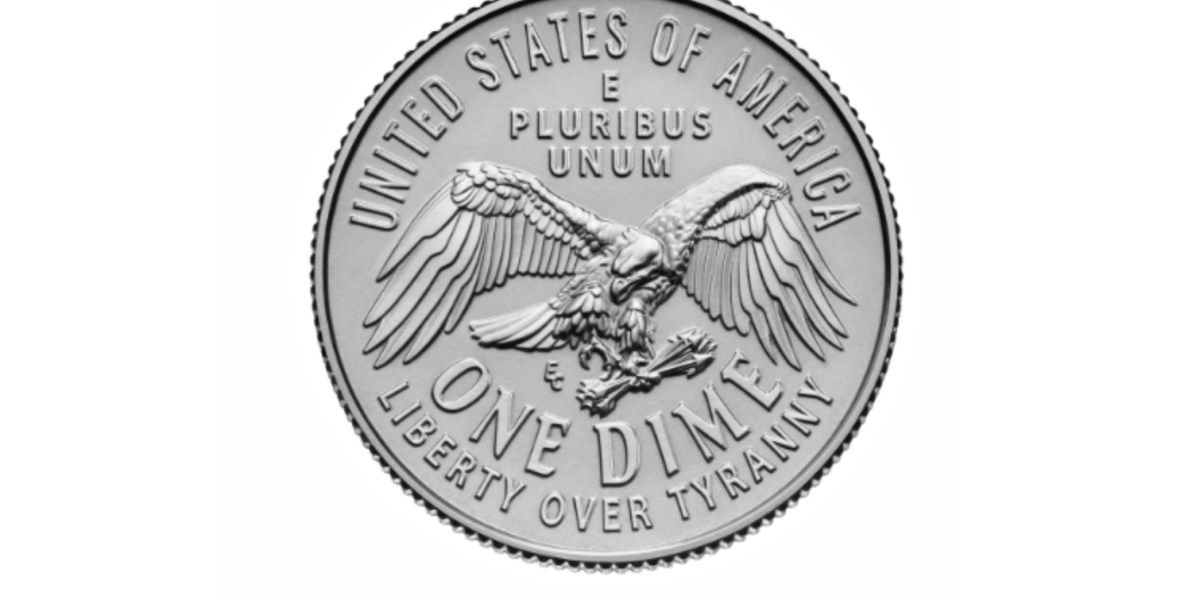
In a move that has largely gone unnoticed by the general public but holds profound symbolic weight, the U.S. Mint has unveiled new designs for its coinage, commemorating the nation's 250th anniversary. Among these changes, one in particular stands out with startling clarity: the removal of the olive branch from the newly designed dime. This seemingly minor alteration to the reverse side, traditionally depicting a bald eagle with an olive branch in its talons, prompts a critical examination of national identity, shifting priorities, and the subtle messages embedded in our most common symbols.
A Legacy of Peace: The Original Symbolism
For generations, the imagery of the bald eagle clutching an olive branch has been a cornerstone of American numismatic and heraldic art. This particular detail was never merely decorative; it was a deliberate and potent statement. The eagle, a formidable bird of prey, turning its gaze towards the olive branch rather than the arrows (which often accompany it in other designs, symbolizing readiness for war) was intended to signify the young nation's preference for peace. It projected an image of a powerful republic, capable of defense, yet always inclined towards diplomacy and reconciliation. This visual narrative was deeply ingrained in the fabric of American idealism, a constant reminder of the aspirations for a peaceful existence on the global stage.
The New Design: An Eagle in Flight, Unburdened?
The new dime's reverse now features a bald eagle mid-flight, a dynamic and powerful image. However, it is the absence of the olive branch that sparks inquiry. Is this omission a conscious decision to update an outdated symbol, or does it subtly reflect a deeper, perhaps subconscious, shift in the national psyche? In a world increasingly marked by geopolitical tensions, proxy conflicts, and a renewed emphasis on national strength and competition, the quiet removal of a symbol of peace takes on heightened significance. One might argue that the eagle in flight, unencumbered by the branch, represents a nation less restrained, more agile, and perhaps more assertive in its global posture.
Interpretation and Implications
- A Shift in National Ethos? Does the new design imply a subtle de-emphasis on the pursuit of peace, or at least a shift in how that pursuit is visually articulated? Is the focus now more on inherent strength and readiness, rather than explicit preference for peace?
- Global Perception: How might this be interpreted by other nations? In an era where every national symbol is scrutinized, a departure from a widely recognized emblem of peace could send unintended signals about America's international intentions.
- Domestic Discourse: For many Americans, these symbols are deeply cherished. The change could ignite debates about the nation's direction, its values, and the power of governmental bodies to alter such fundamental representations without broader public consultation.
- The Power of Omission: Sometimes what is left out speaks louder than what is included. The absence of the olive branch forces us to confront what its presence once represented and to question what its removal now signifies.
Symbolism in a Modern Age
National symbols, particularly those on currency, are not mere artistic choices. They are visual shorthand for a nation's history, its values, and its aspirations. They educate, inspire, and reflect. In an age of instant communication and heightened awareness, such symbols carry immense weight. The U.S. Mint's decision, whether purely aesthetic or laden with unspoken meaning, compels us to consider the evolving narrative of America. Are we moving towards an identity where strength and independence overshadow the explicit declaration of a preference for peace? Is the "mid-flight" eagle a metaphor for a nation perpetually in motion, adapting to new challenges, perhaps leaving behind older ideals for newer, more dynamic expressions?
Conclusion: A Dime's Worth of Questions
The redesigned dime, with its conspicuously absent olive branch, serves as more than just new currency. It is a potent, albeit silent, catalyst for introspection. It challenges us to look beyond the surface of a coin and ponder the deeper currents shaping American identity and its role in a complex world. While the U.S. Mint may have intended a refreshed aesthetic for a milestone anniversary, the removal of such a historically significant emblem inevitably opens a dialogue about what America truly stands for, both at home and on the global stage, as it navigates its next quarter-millennium. The questions it raises are far more valuable than the ten cents it represents.