Beyond the Barrel: Iran's Persistent Shadow on Global Oil Markets and the Stalled Economic Lifelines
By NovaPress Editorial Board
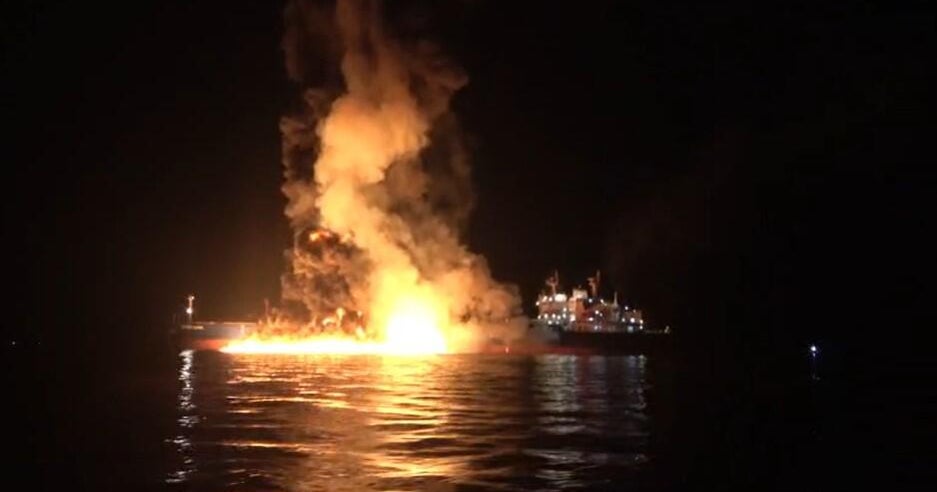
The global economy finds itself teetering on the edge once again, not due to an unseen virus or a sudden financial collapse, but due to a familiar geopolitical tremor emanating from the Middle East. As Iran intensifies its actions against Gulf states and vital energy infrastructure, the world watches as oil prices surge past the $100 mark and stock markets universally register significant downturns. What’s particularly alarming is the apparent ineffectiveness of concerted interventions by the United States and its allies, designed explicitly to stabilize energy prices and ease global economic anxieties.
The Unyielding Pressure from Tehran
Thursday's market movements were a stark reminder of Iran's formidable leverage in the global energy landscape. Despite a significant, even record-breaking, release of strategic crude reserves orchestrated by major powers, the market's reaction was one of sustained panic, not relief. This indicates a deeper problem than a mere supply-demand imbalance; it points to a pervasive fear of future disruptions and an acknowledgment of Iran's strategic capacity to inflict economic pain.
For years, Iran's foreign policy has been characterized by a calculated assertiveness, often leveraging its geographic position and proxy networks to project power. Its recent actions, targeting crucial shipping lanes and energy facilities, are not random acts but part of a broader strategy aimed at undermining regional rivals and, by extension, challenging Western influence. The supreme leader's first public statement amidst this turmoil only underscores the high-stakes nature of this geopolitical game, signaling a unified and resolute stance from Tehran.
Why Interventions Are Falling Short
The traditional playbook for combating rising oil prices often involves increasing supply, either through boosted production from OPEC+ nations or by tapping into strategic reserves. The current situation, however, highlights the limitations of these measures when faced with geopolitical risk premiums. Releasing crude reserves provides a temporary boost to supply, but it fails to address the underlying cause of market anxiety: the perceived instability and risk to future supply lines. Investors and traders are not just pricing in current supply; they are factoring in the heightened probability of future disruptions, sanctions, or even armed conflict.
Furthermore, the U.S. and its allies face a delicate balancing act. Overly aggressive responses could escalate tensions, potentially leading to even greater disruptions. Diplomatic efforts, while crucial, have historically struggled to fundamentally alter Iran's regional strategy, especially when core national interests and ideological principles are perceived to be at stake. The challenge lies in finding a solution that not only stabilizes energy markets but also addresses the root causes of instability without inadvertently fueling the very crisis it seeks to mitigate.
Global Economic Fallout and Future Implications
The immediate consequences of soaring oil prices are felt across the global economy. Higher energy costs feed directly into inflation, impacting everything from transportation and manufacturing to food prices and consumer spending. This inflationary pressure comes at a time when many economies are still grappling with post-pandemic recovery and existing supply chain issues, threatening to derail growth and potentially push vulnerable nations into recession.
Looking ahead, the situation presents several critical implications:
- Renewed Focus on Energy Security: Nations will likely redouble efforts to diversify energy sources, invest in renewables, and strengthen domestic production capabilities to reduce reliance on volatile regions.
- Geopolitical Realignment: The inability of current interventions to fully contain the crisis might prompt a reassessment of alliances and strategies in the Middle East, potentially leading to new diplomatic frameworks or enhanced security cooperation.
- Long-term Market Volatility: Until a more stable geopolitical equilibrium is achieved, energy markets are likely to remain highly sensitive to regional developments, experiencing prolonged periods of volatility.
- Impact on Developing Nations: Countries heavily reliant on oil imports and with limited economic buffers will disproportionately suffer, exacerbating existing humanitarian and economic challenges.
The current crisis serves as a potent reminder that global economic stability is intricately linked to geopolitical realities. As Iran continues its strategic maneuvers, the world watches, hoping for a diplomatic breakthrough, but bracing for the enduring shadow of energy uncertainty.