Meltdown in the Monsoon Belt: Southeast Asia Grapples with Deepening Oil Crisis
By NovaPress Editorial Team | Published: October 26, 2023
Taipei, Taiwan – A shadow of energy insecurity has fallen over Southeast Asia. With the critical Strait of Hormuz now shut to maritime traffic, governments and businesses across the region are facing an unprecedented challenge, scrambling to prevent a full-blown energy catastrophe. The reverberations are being felt from bustling megacities to remote fishing villages, threatening to derail years of economic progress and stability.
The Geopolitical Chokepoint: Strait of Hormuz Fallout
The Strait of Hormuz, a narrow waterway connecting the Persian Gulf to the open ocean, is arguably the world's most critical oil transit chokepoint. Its closure, a geopolitical tremor whose full implications are still unfolding, has immediately choked off a significant portion of global crude supply. For energy-hungry nations, particularly those heavily reliant on imports, this closure isn't just a disruption – it's an existential threat.
Southeast Asia, a dynamic and rapidly developing region, is particularly vulnerable. Countries like Indonesia and Vietnam, with their burgeoning industrial bases and large populations, depend significantly on fuel imports to power their economies. Unlike nations with substantial strategic petroleum reserves or diversified energy portfolios, many in the region possess limited buffers against such a severe and sudden supply shock.
Immediate Crisis: Offices Shut, Travel Halted, Economies Strained
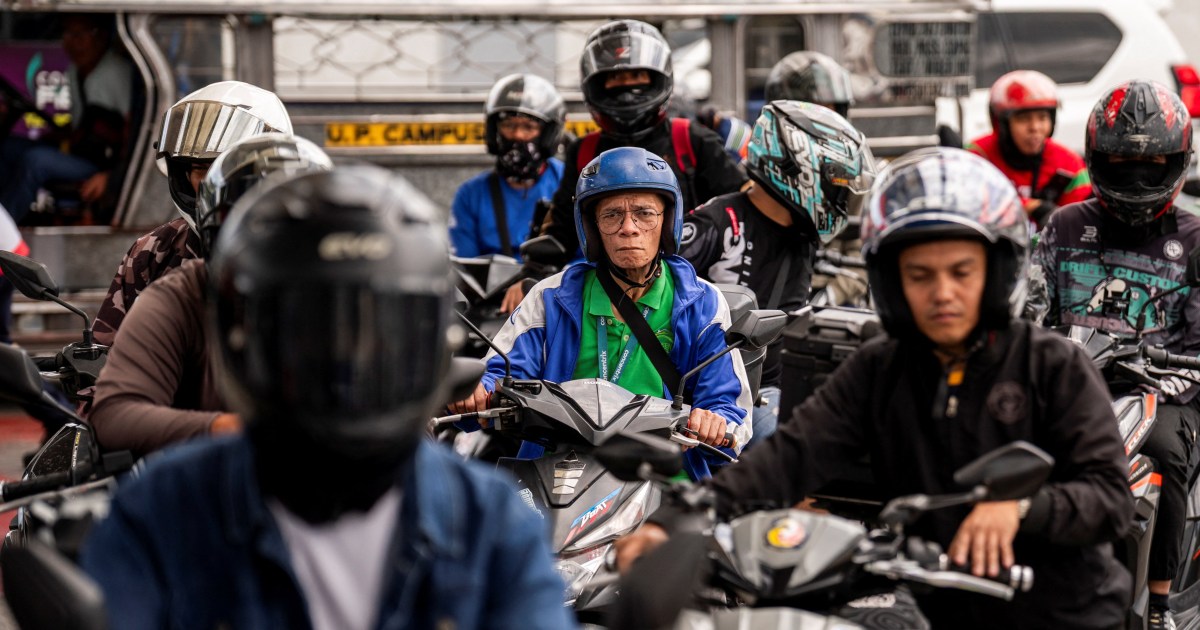
The immediate response across the region has been drastic. Reports indicate widespread office closures in major urban centers as businesses attempt to conserve dwindling energy supplies. Travel, both domestic and international, is being severely curtailed, impacting not just tourism but also vital supply chains for goods and essential services. Public transport systems are operating at reduced capacities, and private vehicle use is being discouraged or outright restricted.
The economic fallout is swift and brutal. Manufacturing sectors, the engines of growth for many Southeast Asian nations, are grinding to a halt due to lack of power and fuel for logistics. Food prices are soaring as transportation costs skyrocket, threatening food security for millions. Small and medium-sized enterprises (SMEs), often the backbone of local economies, are particularly susceptible, facing the real prospect of bankruptcy. The specter of widespread inflation coupled with economic stagnation – stagflation – looms large.
Beyond the Blackout: Long-Term Implications and the Search for Resilience
The current crisis is exposing fundamental weaknesses in Southeast Asia's energy strategies. While there has been growing momentum towards renewable energy and energy efficiency, the pace of transition has often been overshadowed by the immediate demands of economic expansion. This event serves as a stark, undeniable call for accelerated diversification and greater energy independence.
In the wake of this crisis, we can expect significant shifts. Governments will likely be forced to fast-track investments in solar, wind, and potentially nuclear energy, even if it means short-term economic pain. Regional cooperation on energy security, including shared strategic reserves and interconnected grids, could gain unprecedented urgency. Furthermore, the geopolitical calculus of the region may shift, as nations seek new alliances or strengthen existing ones to secure alternative energy sources or transit routes.
The social fabric of these nations also faces immense pressure. Extended power outages, job losses, and rising cost of living can quickly ignite social unrest. Leaders will be challenged to balance immediate crisis management with long-term strategic planning, all while maintaining public order and confidence.
A Defining Moment
The closure of the Strait of Hormuz has thrust Southeast Asia into an unforeseen and severe energy crisis, transforming a distant geopolitical event into an immediate domestic emergency. It is a defining moment, testing the resilience, adaptability, and strategic foresight of the region's leaders and its people. How they navigate this period will not only determine the immediate future of millions but will also shape the trajectory of Southeast Asia's development for decades to come.