The Unforeseen Endgame: Jeff Kaplan's Blizzard Exit and the Industry's Shifting Sands
The gaming world often celebrates its triumphs with fanfare and bright lights, but behind the polished releases lie complex narratives of passion, pressure, and sometimes, profound disappointment. Few figures embody this intricate dance better than Jeff Kaplan, the revered former game director of Blizzard Entertainment's original Overwatch. His recent breaking of silence regarding his sudden departure from the company that was once his professional home has sent ripples through the industry, painting a poignant picture of loyalty, ambition, and the ever-evolving landscape of game development.
A Dream Interrupted: 'I Literally Thought I'd Retire From The Place'
Kaplan's candid admission – "I literally thought I'd retire from the place" – is not merely a personal reflection; it's a stark indicator of the fundamental shifts occurring within long-standing development studios. For a figure as central and universally liked as Kaplan, who had been with Blizzard since 2002 and helmed one of its most successful new IPs in a decade, such a sentiment speaks volumes. It suggests a deep-seated belief in a career trajectory irrevocably tied to the company, a belief that, for reasons yet fully articulated, could not be sustained.
His departure in April 2021, just ahead of the controversial release of Overwatch 2, marked the end of an era for many fans. Kaplan was not just a director; he was a public face, a reassuring presence in developer updates, and an architect of a universe that captured millions. His exit, alongside other high-profile developers, fueled speculation about internal strife, creative differences, or simply the crushing weight of modern game production cycles.
The Overwatch Legacy: From Paid Experience to Free-to-Play Conundrum
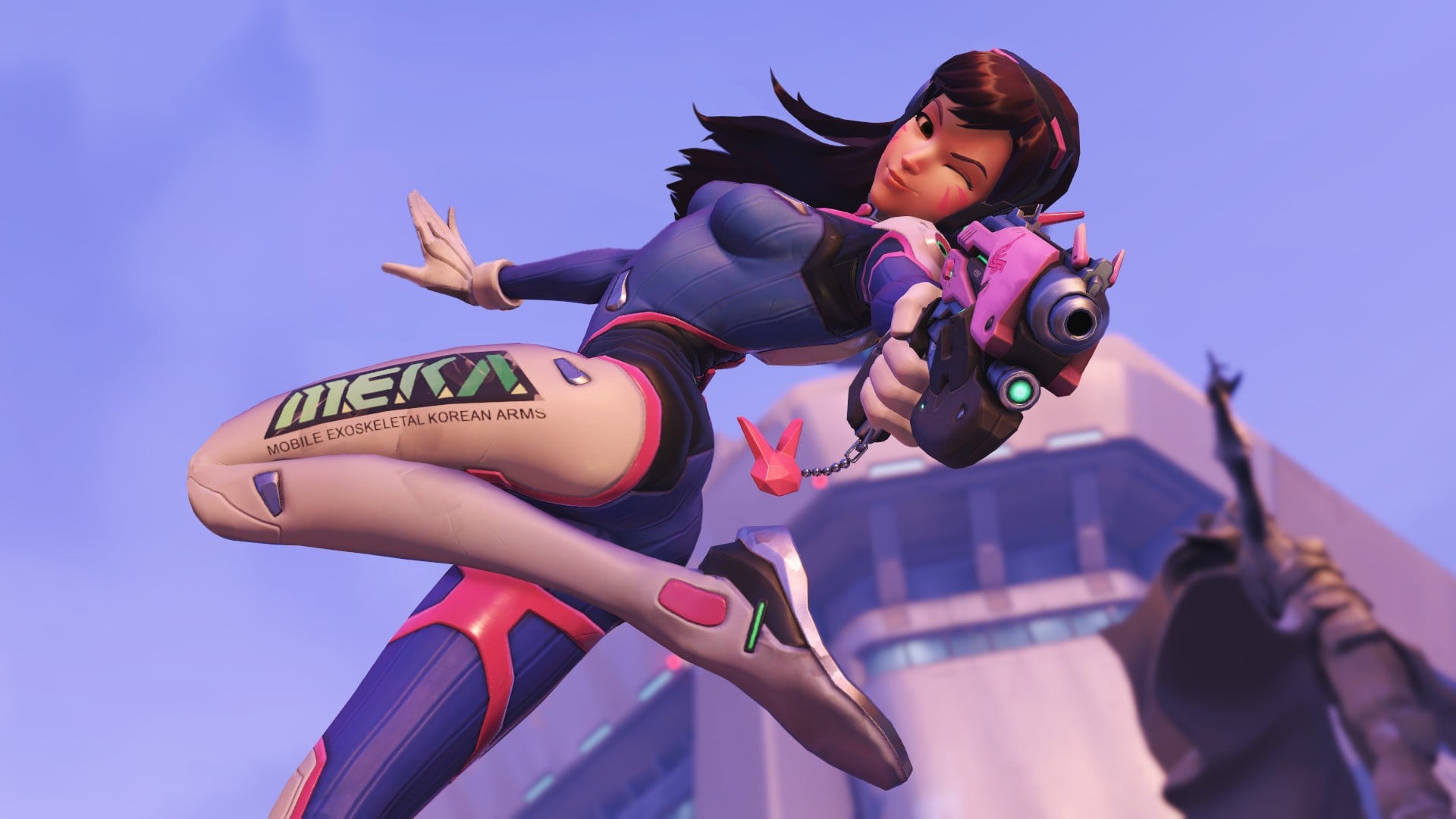
The transition from the original Overwatch, a premium paid experience, to the free-to-play, live-service model of Overwatch 2 is central to understanding the context of Kaplan's exit. The original game, lauded for its innovative hero-shooter mechanics and vibrant world, cultivated a dedicated community. However, the shift to a '2.0' model, often criticized for its slower pace of content updates and monetization strategies, fundamentally altered the game's identity and its relationship with its player base.
- Creative Vision vs. Business Imperatives: The move to free-to-play often comes with increased pressure for continuous monetization and engagement metrics, which can clash with original creative visions focused on finite, complete experiences.
- Developer Burnout and Crunch: The demands of maintaining a live-service game, especially one under scrutiny, can lead to intense pressure and extended crunch periods, eroding developer morale and leading to departures.
- Fan Expectations and Backlash: The community's attachment to the original Overwatch meant any deviation, particularly one perceived as a downgrade or a cash grab, would be met with significant backlash, adding another layer of stress for the development team.
Broader Industry Implications: A Shifting Paradigm
Kaplan's story is far from an isolated incident. The gaming industry has witnessed a steady exodus of veteran talent from major studios, particularly those involved with long-running franchises or live-service titles. This trend points to several systemic issues:
- The Live-Service Grind: The relentless cycle of content updates, battle passes, and seasonal events inherent in live-service models can be creatively exhausting and technically challenging, leading to developer fatigue.
- Corporate Consolidation and Pressure: With major publishers becoming even larger entities, the focus often shifts from creative risk-taking to maximizing shareholder value, potentially stifling innovation and fostering a more corporate culture.
- Evolving Employee Expectations: Modern developers, particularly younger talent, may prioritize work-life balance and creative autonomy over long-term loyalty to a single company, especially if the working conditions are perceived as unsustainable.
What Does This Mean for Blizzard and Beyond?
For Blizzard, Kaplan's departure, coupled with ongoing controversies and the eventual Microsoft acquisition, signifies a pivotal moment. The company that once prided itself on 'Blizzard polish' and fostering long-term talent now faces the challenge of rebuilding trust – both internally with its employees and externally with its dedicated fanbase.
The implications extend beyond one studio. Kaplan's experience serves as a cautionary tale and a mirror reflecting the broader challenges facing the entire video game development landscape. It highlights the often-invisible human cost behind the digital worlds we consume and underscores the critical need for sustainable development practices, respect for creative vision, and a genuine commitment to the well-being of the people who pour their lives into these experiences.
The question isn't just why Jeff Kaplan left Blizzard; it's what his departure tells us about the future of an industry grappling with its own rapidly changing dynamics.