Pre-Conflict Calm Before the Inflation Storm: How Geopolitics Reshaped Economic Forecasts
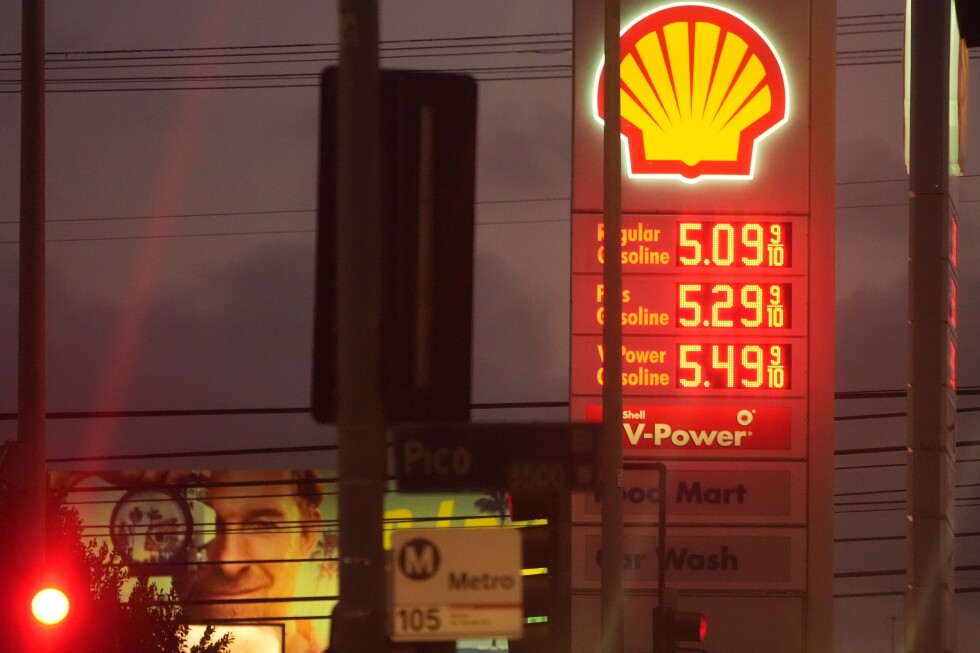
The latest inflation figures offered a mixed picture, showing consumer prices remaining stubbornly elevated last month primarily due to rising gas prices. However, this snapshot, released Wednesday, tells only half the story – a story from before a significant geopolitical event dramatically altered the energy landscape. These figures represent a calm before what many economists now fear could be a substantial inflationary storm, triggered by the U.S.-Israeli attack on Iran and its immediate, severe impact on global energy markets.
The Pre-Escalation Reality: A Fleeting Reprieve
The data captured a period where underlying inflationary pressures persisted. While some categories saw moderation, the increase in gas prices was a primary driver, reflecting a market grappling with robust demand and existing supply constraints. Consumers were already feeling the squeeze, but the broader economy hadn't yet factored in the dramatic shifts about to unfold in the Middle East. This steady, albeit elevated, inflation rate provided a temporary reprieve from deeper concerns, suggesting a gradual, if slow, return to price stability might be possible.
The Geopolitical Shockwave and Soaring Energy Costs
The "U.S.-Israeli attack on Iran," as reported by the Associated Press, serves as a critical inflection point. Almost immediately following this development, global energy markets reacted sharply, sending crude oil and natural gas prices soaring. Iran is a major oil producer, and any perceived threat to its supply or to the broader stability of the Persian Gulf – a vital artery for global oil shipments – inevitably reverberates through commodity markets. The direct and indirect consequences of such an escalation include increased shipping costs, insurance premiums, and speculative trading, all contributing to higher prices at the pump and for industrial energy.
Context: A Fragile Global Economy Under Pressure
This geopolitical shock hits a global economy already navigating multiple challenges. Supply chains, though improved since the pandemic, remain vulnerable. Many central banks are attempting to rein in inflation through higher interest rates, risking economic slowdowns. The new surge in energy costs threatens to undo much of this hard-won progress. It places central bankers in an unenviable position: continue tightening and risk recession, or ease off and allow inflation to become entrenched. For consumers, higher energy costs mean less disposable income, potentially dampening retail sales and broader economic activity.
Future Implications: Beyond the Pump, Into Every Wallet
The ripple effects of soaring energy costs extend far beyond just gasoline. Energy is a foundational input for almost every sector of the economy – manufacturing, transportation, agriculture, and even services. Higher fuel costs translate to more expensive goods in stores, increased utility bills, and higher costs for businesses to operate. This widespread impact could lead to a renewed upward spiral in overall consumer prices, potentially pushing headline inflation significantly higher in the coming months. The specter of "stagflation" – a period of high inflation combined with slow economic growth – looms larger than ever. Businesses might scale back investments, and hiring could slow, compounding the economic challenges.
Conclusion: Navigating the New Economic Reality
The latest inflation data, while valuable for understanding past trends, has been rapidly overtaken by events. The "before" picture of relatively stable, albeit elevated, inflation has given way to an "after" scenario dominated by acute geopolitical risk and soaring energy prices. For NovaPress readers, the message is clear: brace for potentially higher costs across the board. The global economy stands at a precarious juncture, with geopolitical tensions now arguably the single biggest driver of immediate economic uncertainty. Understanding this evolving landscape is crucial for individuals, businesses, and policymakers alike as they navigate the uncertain months ahead.