The Strait of Hormuz Ablaze: A Geopolitical Paradox as Trump Extends World Cup Olive Branch Amidst Escalating Conflict
The geopolitical landscape surrounding the Strait of Hormuz has rarely been more volatile. Reports of 'intense' Iranian strikes, Israeli bombardments targeting Tehran, and US naval actions near the critical waterway paint a grim picture of escalating regional conflict. Yet, amidst this deepening crisis, a startling development has emerged from an unexpected quarter: the world of international sport. FIFA President Gianni Infantino has revealed that US President Donald Trump assured him of Iran's national team's welcome to participate in this summer's World Cup matches in the US. This extraordinary juxtaposition of conflict and potential camaraderie begs a crucial question: is this a calculated diplomatic maneuver, a profound disconnect, or simply a testament to the unpredictable nature of international relations?
The Strait on the Brink: A Region Engulfed in Fire
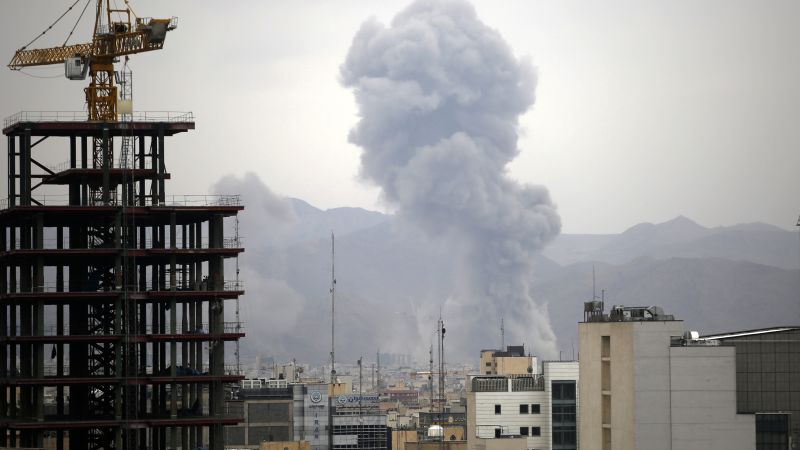
The Strait of Hormuz, a narrow maritime chokepoint through which a significant portion of the world's oil supply passes, has once again become a flashpoint. Overnight, Iranian forces reportedly launched 'intense' attacks on ships, marking a dangerous escalation in naval hostilities. These actions follow and coincide with a fresh wave of Israeli bombardment targeting Tehran and US forces actively engaging Iran’s navy in the vicinity of the Strait. The cycle of aggression and retaliation is accelerating, threatening not only regional stability but also global energy markets and international shipping lanes. The stakes are profoundly high, with each incident carrying the potential to ignite a broader, devastating conflict.
An Olive Branch on the Pitch? The World Cup Conundrum
Against this backdrop of heightened military confrontation, the news from the world of football is nothing short of bewildering. FIFA President Gianni Infantino's announcement that President Trump has personally assured Iran's welcome at the upcoming World Cup in the US introduces a layer of complexity that defies conventional analysis. On one hand, it could be interpreted as a genuine, albeit unconventional, attempt at 'sports diplomacy' – using cultural exchange to de-escalate tensions or maintain a channel for dialogue that transcends military rhetoric. Such gestures, historically, have occasionally paved the way for breakthroughs in otherwise intractable disputes.
However, the timing and context also invite skepticism. Is this a strategic move by the US administration to appeal to the Iranian populace, potentially driving a wedge between the people and their hardline leadership? Or is it a mere logistical formality, an assurance that sporting events are separate from geopolitical strife, regardless of how intense the latter becomes? The perceived dichotomy between targeting Iran's navy one day and welcoming its national team the next presents a puzzling image of US foreign policy, leaving allies and adversaries alike to decipher its true intent.
A Tale of Two Irans: Internal and External Perceptions
The implications of this sporting invitation for Iran are multifaceted. Internally, the prospect of national team participation in a prestigious global event like the World Cup, hosted by the US, could serve as a significant morale booster for a populace often isolated by sanctions and international disputes. For the Iranian government, it offers a moment of global visibility and legitimacy, potentially allowing it to project an image of normalcy despite the ongoing military engagements. Yet, it also forces a delicate balancing act, as hardliners might view any engagement with the US, even on a sports field, with suspicion.
Externally, the international community watches with bated breath. The move could be seen as an attempt by the US to differentiate between the Iranian regime's actions and the Iranian people, a nuanced approach amidst a generally confrontational stance. However, it also carries the risk of confusing allies who who are grappling with the immediate threats posed by Iranian military actions in the Strait of Hormuz. The coherence of US foreign policy in the Middle East, already a subject of intense debate, becomes even more scrutinized through the lens of this sporting paradox.
Risks, Rewards, and the Road Ahead
The strategy of mingling high-stakes geopolitics with international sports is fraught with both risks and potential rewards. The primary risk lies in the potential for mixed messaging to dilute the impact of strong sanctions or military deterrence, or to be misinterpreted as weakness or inconsistency. There's also the danger that the sporting event itself could become a target for political protests or, worse, sabotage, further exacerbating tensions.
Conversely, the potential rewards are significant. If successful, this unusual form of engagement could open informal channels for communication, fostering a degree of understanding that formal diplomatic channels currently lack. It could humanize the 'other' side, reminding all parties of shared human values beyond political differences. The World Cup, after all, is a global spectacle designed to unite nations through a shared love of sport.
As warships navigate treacherous waters in the Strait of Hormuz, the world simultaneously contemplates Iran's football team navigating the pitches of the United States. This unprecedented duality underscores the profound complexities of modern international relations. Whether this unusual olive branch can grow into a pathway for de-escalation, or if it merely highlights the deep contradictions within current global policy, remains to be seen. The coming months will determine if the roar of conflict can truly be tempered by the cheer of the crowd.