Beyond the Game: The Deep Implications of Iranian Women Athletes Seeking Asylum in Australia
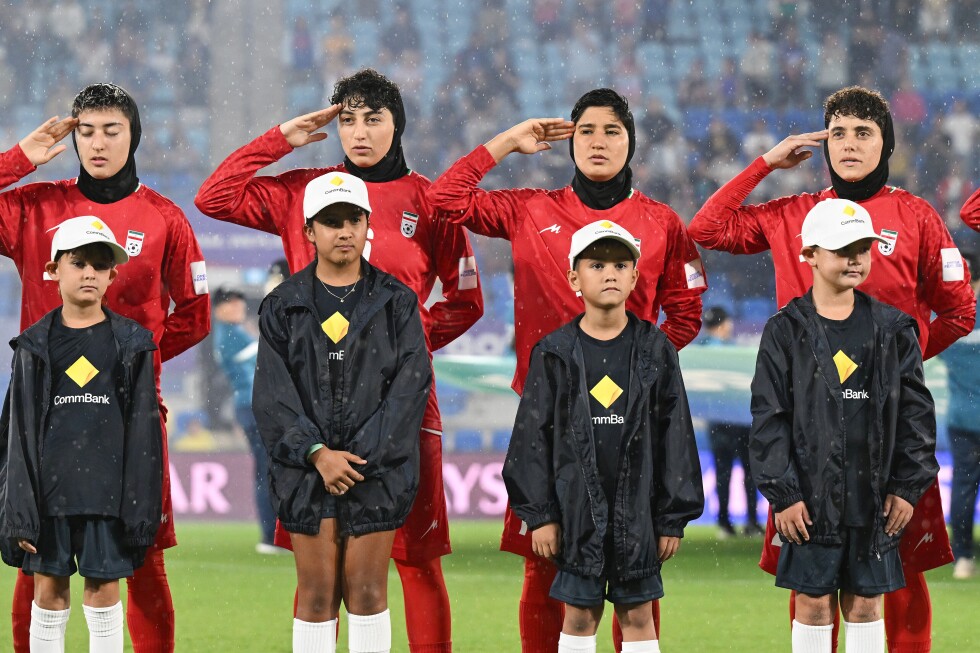
GOLD COAST, Australia – In a move that reverberates far beyond the confines of the soccer pitch, six members of the Iranian women’s national team have been granted asylum in Australia. This decision, confirmed by Home Affairs Minister Tony Burke, highlights the profound personal sacrifices and difficult choices faced by athletes navigating complex political and social landscapes, particularly those from nations with restrictive regimes.
A Glimpse into the Struggle: Why Asylum?
The act of seeking asylum is rarely a decision taken lightly. For professional athletes, it often means severing ties with their homeland, their established careers, and their families. For Iranian women, the challenges are amplified. Despite their undeniable talent and passion, female athletes in Iran frequently face systemic discrimination, restrictive dress codes, limited access to facilities, and social pressures that often prioritize traditional roles over athletic pursuits. Their very participation in sports, especially at an international level, is a constant negotiation with societal and governmental norms.
While the specifics of each player's individual case remain confidential, the collective decision of six athletes speaks volumes. It underscores a desire for personal freedom, autonomy over their careers, and perhaps, a safer environment where their rights as women and athletes are not curtailed. The incident also follows reports of two more team members initially seeking asylum, though one later rescinded her request to return to Iran – a poignant detail that underscores the immense pressure and internal conflict inherent in such life-altering decisions.
Australia's Role as a Haven
Australia has a long-standing tradition as a recipient of asylum seekers, though its policies have often been subject to international scrutiny. In this instance, the Australian government's decision to grant asylum to these athletes reflects an acknowledgement of their potential vulnerability if they were to return to Iran. It positions Australia as a beacon of hope for those fleeing persecution, a narrative that resonates deeply within its diverse multicultural society.
For the players, Australia offers not just safety but potentially the opportunity to continue their athletic careers without the constraints they faced at home. The professional sports infrastructure in Australia, coupled with its commitment to gender equality in sports, could provide a fertile ground for these talented women to thrive, both on and off the field.
The Ripples Across Iranian Society and Global Sports
The implications of this mass asylum claim extend far beyond the individuals involved. Domestically, it casts a harsh spotlight on the conditions for women and athletes in Iran. It could potentially lead to further scrutiny from international sporting bodies and human rights organizations regarding Iran's treatment of its female sporting figures. Such high-profile cases often fuel internal debates within Iran itself, challenging existing narratives and potentially galvanizing calls for reform.
Internationally, this event serves as a stark reminder of the often-unseen political and social pressures that intersect with global sports. Athletes are not merely performers; they are often unwitting ambassadors and, at times, unwitting political symbols. Their personal choices can become powerful statements, drawing attention to broader human rights issues and the struggle for freedom in various parts of the world.
Furthermore, this incident could have a tangible impact on the future of Iranian women's soccer. While the team may continue to compete, the loss of six key players undoubtedly affects its competitive strength and morale. It also raises questions about how the Iranian sporting authorities might respond – whether through stricter controls or, hopefully, through genuine efforts to address the root causes of such defections.
A Future Forged in Freedom
For the six women now beginning new lives in Australia, the journey ahead will undoubtedly be challenging. Adapting to a new culture, language, and society while rebuilding their professional lives requires immense resilience. Yet, their decision also represents a profound act of self-determination, a testament to the universal human desire for freedom and the right to pursue one's dreams without fear.
This event is more than just a news story about athletes; it is a powerful narrative about human rights, the courage of conviction, and the ongoing struggle for equality. As these women embark on their new chapter, their story will undoubtedly inspire many, reminding us that sometimes, the greatest victories are won off the field, in the pursuit of a life truly lived on one's own terms.