Echoes of Dread: Deconstructing Fatal Frame II's Switch 2 Remake — A Masterclass in Atmosphere, A Missed Opportunity in Focus
For decades, the survival horror genre has been largely dominated by the monolithic presences of Resident Evil and Silent Hill. Yet, within the shadows, a more ethereal, psychologically unsettling brand of fear has persisted, championed by franchises like Koei Tecmo's Fatal Frame (known as Project Zero in some regions). Its unique premise of battling spirits with a camera, rather than conventional weapons, carved out a distinct niche. The recent release of a remake for Fatal Frame II: Crimson Butterfly on the highly anticipated Nintendo Switch 2 promised a resurgence for this cult classic. Initial reviews, however, paint a picture of a game that masterfully rekindles its iconic dread, yet paradoxically, 'never quite comes into focus'. NovaPress delves into what this means for the remake, the franchise, and the future of horror gaming on new hardware.
The Enduring Allure of Crimson Butterfly
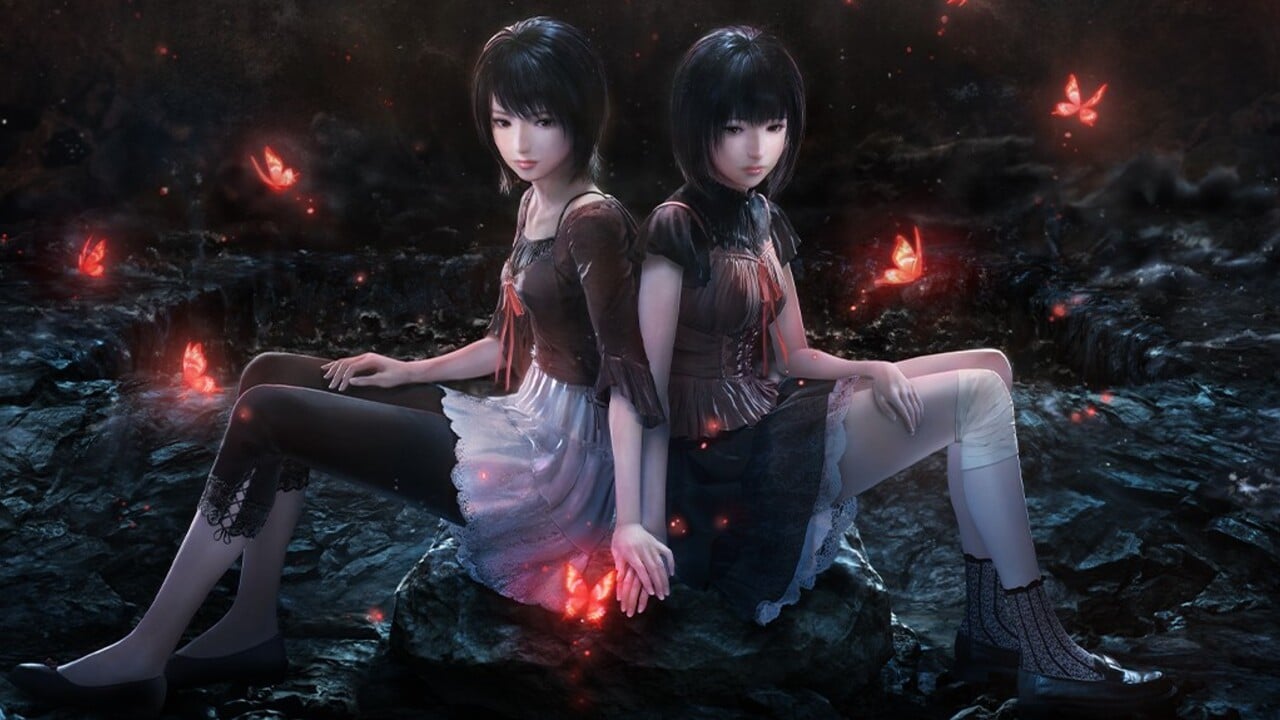
Originally released in 2003, Fatal Frame II: Crimson Butterfly quickly cemented its status as one of the most terrifying games ever made. Its narrative, centered around twin sisters Mio and Mayu Amakura trapped in a haunted village, interwoven with Japanese folklore, ritualistic sacrifices, and profound psychological horror, resonated deeply with players. The core gameplay mechanic – using the Camera Obscura to exorcise vengeful spirits – was revolutionary. It forced players to confront fear head-on, requiring them to aim directly at spectral entities to capture their most damaging shots, creating moments of unparalleled tension and dread. The original's success lay not just in jump scares, but in its pervasive sense of melancholy, inescapable doom, and a meticulously crafted, suffocating atmosphere.
Switch 2: A Canvas for Fear, or a Mirror for Imperfection?
The announcement of a remake for Crimson Butterfly on the Nintendo Switch 2 was met with cautious optimism. The promise of enhanced graphics, smoother performance, and potential quality-of-life improvements on a powerful new console seemed like a perfect recipe to reintroduce this masterpiece to a new generation, while also satisfying long-time fans. The 'Captured on Nintendo Switch 2 (Docked)' stamp indicated a serious effort to leverage the new hardware's capabilities.
Indeed, the remake delivers spectacularly on atmosphere. Critics laud its ability to recreate, and even elevate, the chilling ambiance of Minakami Village. The graphical fidelity of the Switch 2 undoubtedly enhances the intricate details of decaying Japanese architecture, the eerie glow of the Camera Obscura's viewfinder, and the terrifyingly rendered spectral entities. Sound design, a cornerstone of psychological horror, appears to be masterfully preserved and possibly enhanced, ensuring every creak, whisper, and mournful wail sends shivers down the spine. This unwavering commitment to recreating the game's oppressive mood is where the remake shines brightest, proving that the core horror design of Fatal Frame II remains timeless.
"I'm ready for my close-up." - Nintendo Life Review Description, perfectly encapsulates the game's core mechanic and its aspirations.
The Blurry Edges: Where Focus is Lost
Despite its atmospheric brilliance, the recurring critique that the remake 'never quite comes into focus' demands closer scrutiny. What exactly prevents this highly anticipated return from achieving perfection?
Dated Mechanics and Controls:
One primary suspect is the potential failure to adequately modernize archaic gameplay mechanics. The original Fatal Frame II, while innovative for its time, featured tank controls and often clunky movement that, while contributing to the sense of vulnerability, could also be frustrating. A remake has the opportunity to streamline these elements without sacrificing the core horror experience. If the Switch 2 version retains too much of the original's rigidity, it can detract significantly from immersion, pulling players out of the meticulously crafted atmosphere.
Pacing and Repetition:
Another common pitfall for remakes of older games is pacing. What felt deliberate and unnerving twenty years ago might feel slow or repetitive to modern audiences accustomed to faster-paced experiences. If the remake hasn't addressed potential lulls in action or excessive backtracking without meaningful encounters, the 'focus' can indeed blur, making the overall experience feel less impactful than its potent individual moments.
Technical Inconsistencies:
Even on powerful new hardware like the Switch 2, remakes can sometimes suffer from technical inconsistencies. While overall graphics are improved, are there instances of frame rate drops, visual glitches, or UI elements that feel tacked on rather than integrated? These small imperfections, if present, can collectively undermine the immersive atmosphere the game otherwise so successfully cultivates.
Future Implications: A Remake's Legacy and the Switch 2's Promise
The reception of Fatal Frame II: Crimson Butterfly Remake on Switch 2 holds significant implications. For the Fatal Frame series, it demonstrates that the franchise's unique brand of horror still resonates, yet also highlights the challenges in bringing a niche classic to a contemporary audience without losing its essence or alienating modern players. A truly successful remake strikes a delicate balance between fidelity and modernization.
For the Nintendo Switch 2, this review serves as an early indicator of its capabilities and the landscape for third-party remakes on the console. While it clearly possesses the power to render stunning environments and evoke deep atmosphere, the 'focus' issue suggests that raw graphical power isn't the sole determinant of a remake's success. Developer choices in updating gameplay, controls, and pacing are equally, if not more, crucial.
Conclusion: A Haunting Vision, Yet Slightly Out of Reach
Fatal Frame II: Crimson Butterfly Remake on Nintendo Switch 2 appears to be a hauntingly beautiful, deeply atmospheric experience that successfully recaptures the dread of the original. It is a testament to the enduring power of its narrative and unique horror mechanics. However, the consistent critique of it 'never quite coming into focus' suggests a missed opportunity to truly elevate the classic beyond its original constraints. While the atmosphere is undeniable, the blurry edges of its execution might prevent it from becoming the definitive version fans hoped for. It’s a chilling reminder that sometimes, even with a perfect close-up, the wider shot can still lack clarity.