Realism vs. Joy: Navigating the Parent's Dilemma of Disappointment
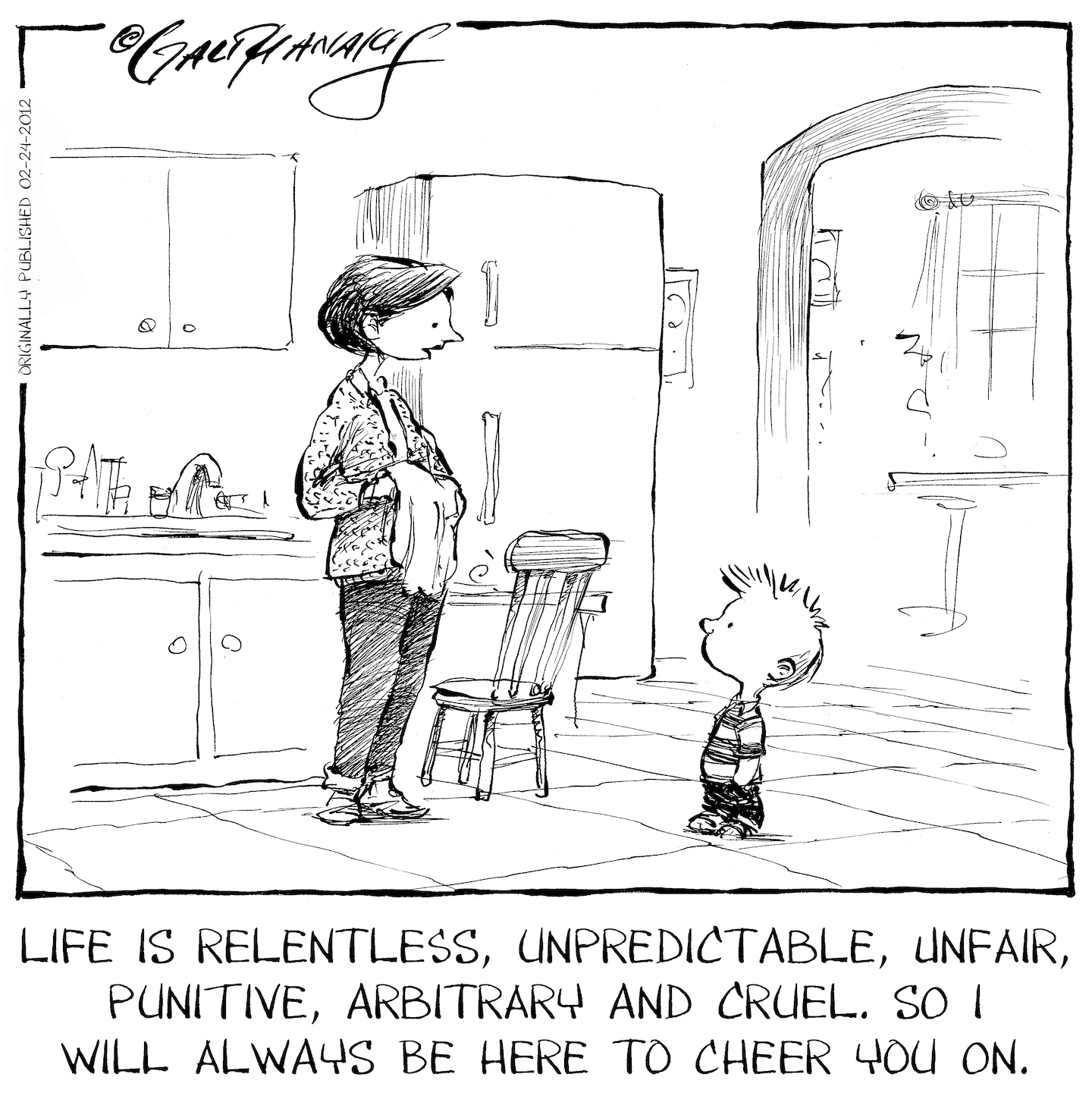
The perennial challenge of parenting lies not just in nurturing growth, but in preparing children for life's inevitable letdowns. A recent column from Carolyn Hax, first published in 2012 but still resonating today, vividly encapsulates this parental tightrope walk. It describes a letter writer who, having learned from her own life experiences not to "get her hopes up," inadvertently teaches her children a lesson they perceive as "sucking the joy out of everything." This isn't merely a communication gap; it's a profound psychological paradox at the heart of modern parenting.
The Well-Intentioned Realist: A Shield or a Stifler?
Parents, often scarred by their own bitter tears and heartbreaks, instinctively wish to shield their children from similar pain. This desire manifests as a cautionary stance: "Don't get too excited about that puppy," or "First loves often end in tears." The intention is noble – to inoculate against disappointment, to foster resilience by managing expectations. Yet, the child's developing mind interprets this differently. To a child brimming with unbridled optimism and boundless imagination, such pronouncements aren't protective wisdom; they are joy-killers, doubt-sowers, and spirit-dampeners.
The core of the problem lies in the perceived negative framing. Instead of teaching coping mechanisms for disappointment, the child hears a pre-emptive strike against hope itself. This can inadvertently foster a mindset of scarcity and fear, rather than one of hopeful preparation.
The Child's Unfiltered Optimism: A Vulnerability or a Strength?
Children, by their very nature, are optimists. They live in a world of "what if" and "maybe," where possibilities feel endless. This innate sense of hope is not a flaw to be corrected; it is a vital engine for exploration, learning, and dreaming. When parents consistently introduce realism as a counterpoint to this optimism, it can erode the child's natural inclination to take risks, to pursue passions, and to believe in their own potential.
What happens when a child internalizes the message that expecting good things leads to pain? They might become hesitant to invest emotionally, to try new things, or to pursue ambitious goals, fearing the inevitable fall. This doesn't build resilience; it builds avoidance. True resilience isn't about avoiding disappointment; it's about experiencing it, processing it, and learning to rise again.
Cultivating Resilient Hope: Bridging the Generational Gap
So, how does a parent teach a child to deal with heartbreak without extinguishing the flame of hope? The answer lies in shifting the narrative from pre-emptive dampening to proactive equipping. Instead of saying, "Don't get your hopes up," parents could try, "It's wonderful to be excited! Sometimes things don't work out as we hope, and that's okay. If that happens, we'll be sad for a bit, and then we'll figure out what's next, together."
- Validate Emotions: Acknowledge and affirm the child's excitement ("I can see how much you want that puppy!").
- Introduce Nuance Gently: Instead of immediate negation, offer a balanced perspective ("We've talked about how difficult it is to get a puppy right now, but let's keep hoping and looking at options.").
- Focus on Coping: Emphasize that disappointment is a feeling, not a finality. Teach them how to navigate sadness, frustration, and loss, rather than avoiding these emotions altogether.
- Model Resilience: Share personal stories of overcoming setbacks, demonstrating that disappointment is a part of life, not the end of it.
- Foster Problem-Solving: If a desired outcome doesn't materialize, guide them in exploring alternatives or learning from the experience.
Future Implications: A Generation of Hopeful Realists?
The way we, as parents, navigate this delicate balance has profound long-term implications. A child constantly told to temper their enthusiasm might grow into an adult who struggles with ambition, feels cynical, or shies away from opportunities due to a deep-seated fear of failure or disappointment. Conversely, a child who learns to embrace both hope and the inevitability of setbacks is better equipped to navigate the complexities of adulthood with an open heart and a resilient spirit.
Ultimately, the goal is not to raise children who are immune to pain, but those who are empowered to face it. It's about cultivating "hopeful realism" – the capacity to dream big while understanding that life delivers its share of curveballs, and crucially, that they possess the inner strength to swing back.
At NovaPress, we believe in fostering dialogue around these critical societal and psychological themes. Share your thoughts on how you navigate this parenting challenge in the comments below.