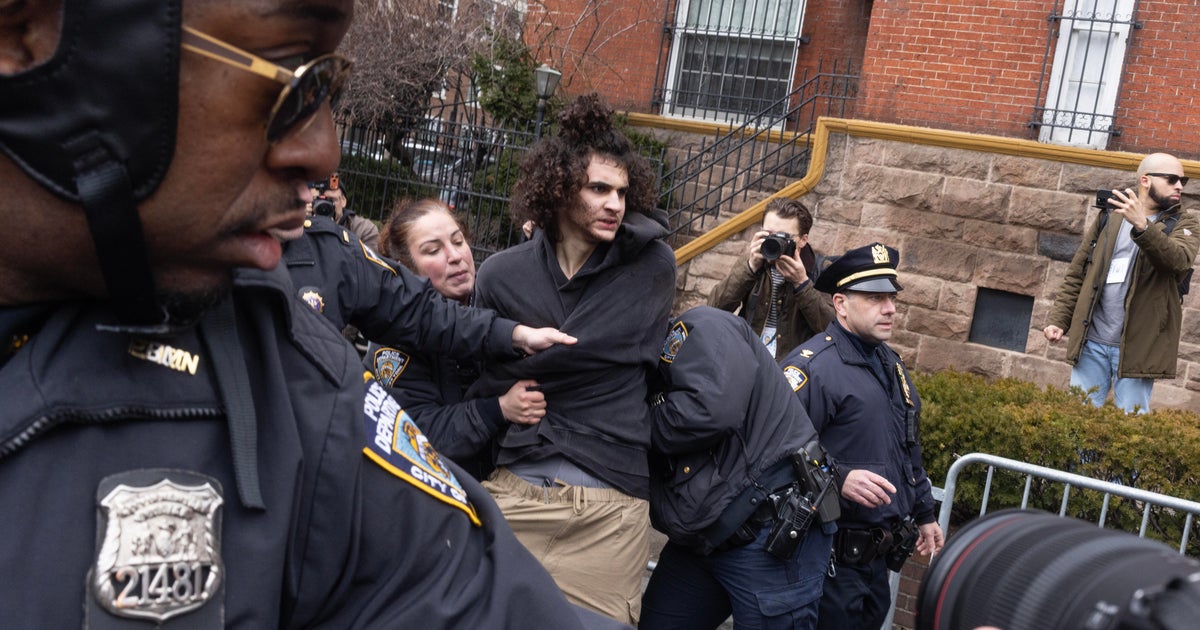
Domestic Threat Unveiled: The ISIS-Inspired Plot Aiming for 'Bigger Than Boston'
The recent charging of two Bucks County, Pennsylvania, men, Emir Balat and Ibrahim Kayumi, for an "ISIS-inspired" attack outside New York City Mayor Zohran Mamdani's residence has sent a chilling message across the nation. This wasn't merely a localized act of vandalism; officials assert the pair harbored ambitions of orchestrating an event far more devastating than the infamous Boston Marathon bombing. The incident not only spotlights the persistent threat of ideologically motivated violence within the United States but also underscores the evolving nature of domestic terrorism, where global extremist narratives intersect with local grievances and radicalization pathways.
The Aborted Attack: A Glimpse into Violent Intent
Over a recent weekend, what began as a protest outside Mayor Mamdani's residence quickly escalated into a security incident when homemade bombs ignited. While the immediate damage was limited and casualties averted, the investigation swiftly uncovered a far more sinister plot. Balat and Kayumi, both residents of Bucks County, were identified and subsequently charged, revealing the deliberate and calculated nature of their actions. The use of improvised explosive devices, even if rudimentary, signals a dangerous intent to cause harm and disruption, and places the incident squarely in the realm of attempted terrorist acts rather than mere civil disobedience.
ISIS-Inspired: A New Front in Domestic Radicalization
The term "ISIS-inspired" is crucial to understanding the ideological underpinnings of this plot. It suggests that while Balat and Kayumi may not have received direct orders or material support from the Islamic State's core leadership, they were deeply influenced by its brutal ideology, propaganda, and calls for violence against perceived enemies. This phenomenon of self-radicalization, often facilitated by online extremist content, poses a significant challenge to law enforcement and intelligence agencies. Individuals like Balat and Kayumi internalize narratives of global jihad, applying them to local contexts and choosing targets that symbolize their perceived oppressors or rivals, in this case, a prominent public official in a major American city.
The Scale of Ambition: 'Bigger Than Boston'
Perhaps the most alarming revelation from the ongoing investigation is the perpetrators' stated ambition: to execute an attack surpassing the scale and impact of the 2013 Boston Marathon bombing. That tragic event, which claimed three lives and injured hundreds, remains a stark reminder of the devastating potential of even unsophisticated terrorist tactics. For Balat and Kayumi to aspire to exceed this benchmark reveals a profound level of radicalization, a thirst for notoriety, and a chilling disregard for human life. This statement elevates the incident from a failed bombing attempt to a thwarted major terror plot, emphasizing the persistent and evolving threat posed by domestic extremists. It also highlights the urgent need to understand the psychological pathways that lead individuals to such extreme violence.
Targeting Public Officials: A Direct Challenge to Democracy
The choice of Mayor Mamdani's residence as a target is particularly significant. Attacks on public officials or their homes are not merely acts against individuals; they are direct assaults on the institutions of governance and the democratic process itself. Such actions aim to instill fear, disrupt civil society, and undermine public trust in leadership and security. In an increasingly polarized political landscape, the targeting of elected representatives, irrespective of their political affiliation or background, signals a dangerous escalation in extremist tactics and a direct threat to the stability of our democratic system.
Future Implications: Vigilance in an Evolving Threat Landscape
This incident serves as a critical wake-up call, reinforcing the reality that the threat of terrorism, both foreign-inspired and purely domestic, remains potent and adaptable. Law enforcement agencies, intelligence communities, and local communities must continue to collaborate closely to identify, interdict, and de-radicalize individuals susceptible to extremist ideologies. Enhanced digital surveillance, community outreach programs, and public education on the signs of radicalization are more vital than ever. Moreover, understanding the social and psychological factors that lead individuals down these paths is paramount to developing effective long-term prevention strategies. The plot's failure, while a testament to the vigilance of our security apparatus, should not lead to complacency. Instead, it must galvanize renewed efforts to safeguard our cities, our institutions, and our way of life from those who seek to sow chaos and fear.
The "NovaPress" is committed to bringing you in-depth analysis on critical national security issues. Stay tuned for further updates on this developing story and its broader implications.