From Perilous Waters to Global Stage: María Corina Machado's Audacious Escape and What It Means for Venezuela
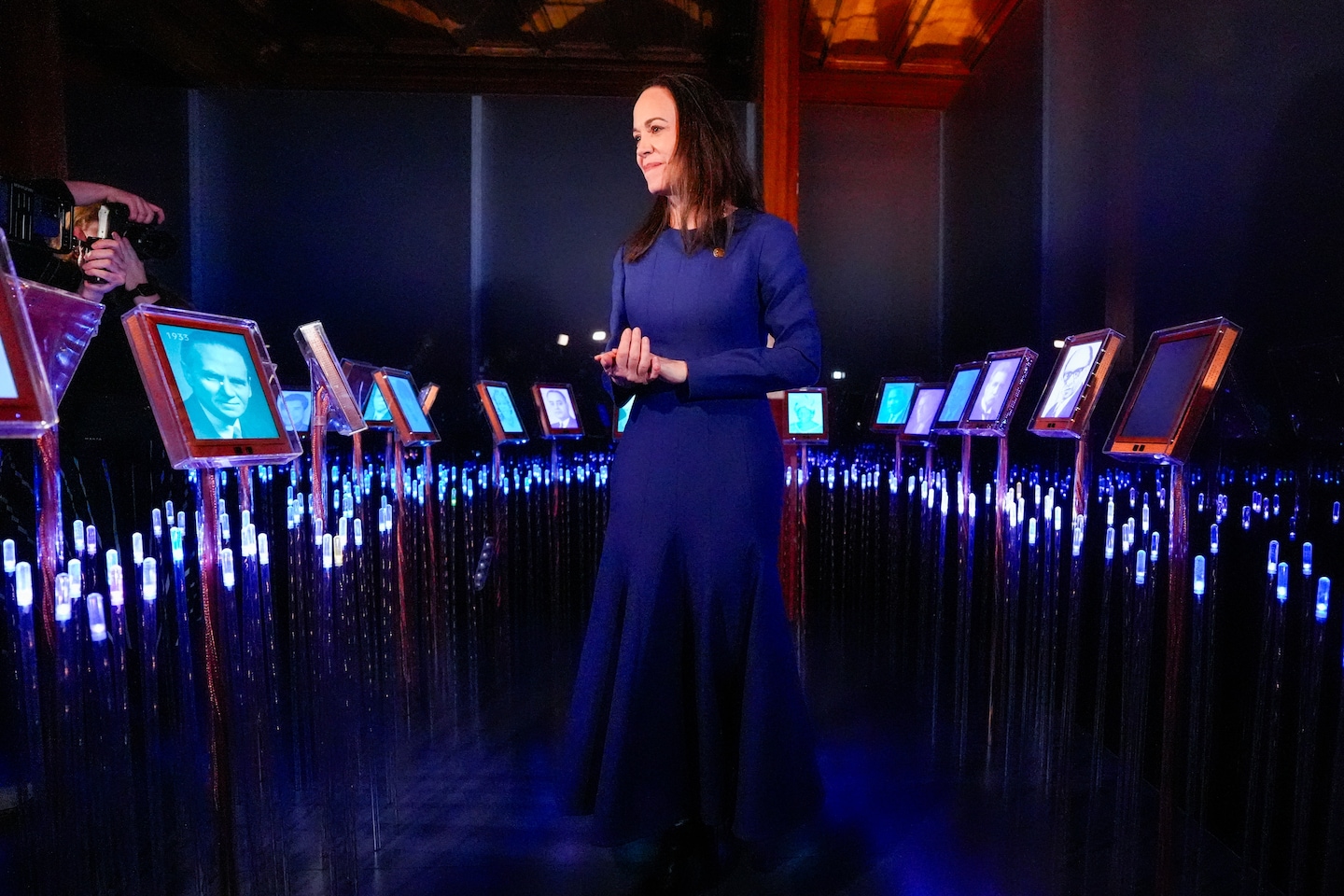
The story of Nobel laureate María Corina Machado's recent journey from Venezuela to Norway reads like a modern political thriller. It was a perilous odyssey that involved clandestine travel through her homeland, hours braving treacherous seas on a fishing boat, and an eventual flight from Curaçao to the safety of Oslo. This extraordinary escape not only highlights the severe repression faced by opposition figures in Venezuela but also catapults Machado onto a global platform, potentially reshaping the international discourse around the embattled South American nation.
The Unbearable Weight of Repression: Why Machado Fled
María Corina Machado, a figure synonymous with Venezuela's democratic opposition, has long been a vocal critic of the Maduro regime. Her status as a Nobel laureate amplifies her voice on the international stage, making her a formidable, yet often targeted, opponent. In a country where political dissent is met with increasing hostility, arbitrary arrests, and systemic human rights abuses, the space for opposition leaders has diminished to near non-existence. For Machado, remaining in Venezuela likely meant continued harassment, imprisonment, or worse, effectively silencing one of the most prominent voices advocating for a return to democratic norms.
Her decision to undertake such a dangerous escape underscores the profound desperation and lack of legal avenues for political expression within Venezuela. It speaks volumes about the extent to which the state has cracked down on civil liberties, forcing even internationally recognized figures to resort to clandestine means for personal safety and continued advocacy.
The Anatomy of an Escape: A Journey of High Stakes
The details of Machado's escape paint a vivid picture of courage and calculated risk. Secret travel across Venezuela itself is a testament to an extensive, albeit hidden, network of support. The subsequent leg of the journey—hours spent on a fishing boat in rough seas—evokes images of refugees fleeing conflict zones, not a Nobel laureate. This segment of her journey alone symbolizes the raw, unfiltered reality of life under an authoritarian regime, where even the most distinguished individuals are stripped of their basic rights and forced into survival mode.
The eventual flight from Curaçao to Oslo signifies the critical role of international diplomacy and potentially clandestine aid in securing her passage. Norway, renowned for its commitment to human rights and its history as a mediator in global conflicts, offers Machado a crucial sanctuary and a powerful platform from which to articulate her vision for Venezuela's future without immediate fear of reprisal.
Global Implications: A New Chapter for Venezuelan Activism?
Machado's arrival in Norway carries significant geopolitical weight. Her physical presence in a prominent European democracy immediately elevates the Venezuelan crisis on the international agenda. She gains a direct line to European policymakers, human rights organizations, and global media, allowing her to galvanize support and apply renewed pressure on the Maduro government.
For the Venezuelan opposition still within the country, Machado's escape offers a complex mix of emotions. While it removes a key leader from the immediate domestic struggle, it also provides a beacon of hope and a powerful external voice. Her ability to operate freely and speak unreservedly from abroad could reinvigorate international efforts to promote democracy and accountability in Venezuela, potentially fostering greater unity and strategic direction among fragmented opposition movements.
Conversely, for the Maduro regime, Machado's international presence presents a new challenge. It complicates their narrative of control and stability, providing concrete evidence of the extreme measures taken against dissenters. It could lead to increased sanctions, diplomatic isolation, and sustained international scrutiny, making it harder for the regime to conduct business as usual on the global stage.
The Road Ahead: Challenges and Opportunities
While Machado's escape is a triumph of spirit, the road ahead for Venezuela remains arduous. Her new platform in Norway, though powerful, comes with the responsibility of effectively channeling international attention into tangible action. This includes advocating for humanitarian aid, pushing for free and fair elections, and ensuring accountability for human rights abuses.
The international community, spurred by Machado's story, now faces a renewed impetus to reassess its strategy towards Venezuela. The incident serves as a stark reminder of the humanitarian and democratic crisis unfolding in the country. The choices made by global powers in response to Machado's high-stakes arrival in Norway could very well dictate the trajectory of Venezuela's struggle for democracy in the coming years. Her journey is not merely a personal escape but a potent symbol of the enduring fight for freedom against tyranny.