California's Pump Shock: Decoding the Surge in Gas Prices Amid Geopolitical Turmoil
By The NovaPress Editorial Board
SoCal Drivers Face Unprecedented Price Hikes
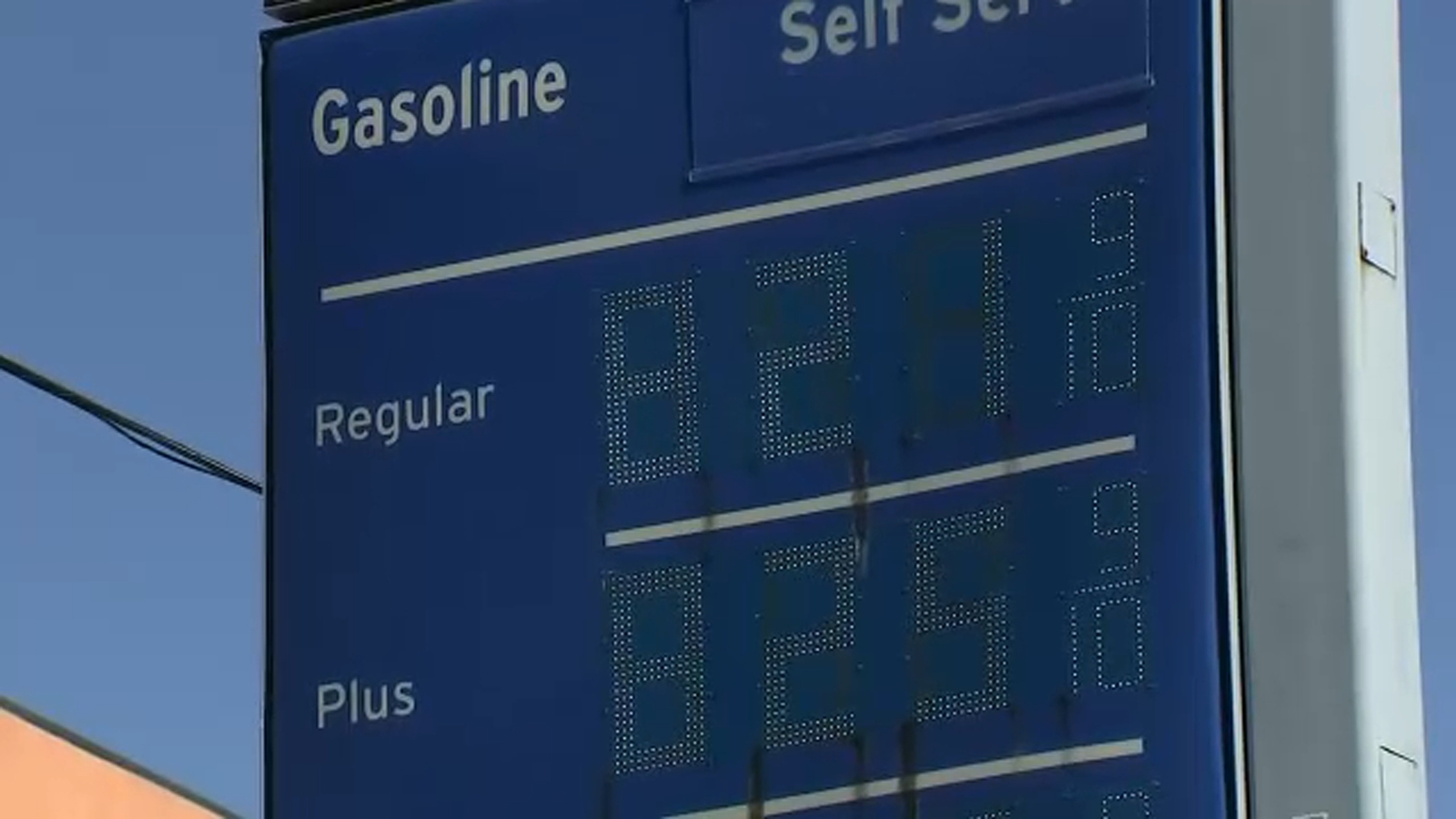
Southern California commuters are grappling with a dramatic and sudden surge in gas prices, sending shockwaves through household budgets and the regional economy. As reported, the statewide average for gasoline has soared past the $5 per gallon mark, with drivers in Los Angeles County witnessing an average of $5.17. Disturbingly, some pumps across the region have displayed prices exceeding an astonishing $8 per gallon, a level previously unimaginable for many.
This significant uptick is not merely an inconvenience; it represents a substantial financial burden for millions, occurring amid heightened geopolitical tensions, particularly a developing "war in Iran." The convergence of global instability and specific regional factors has created a perfect storm for consumers at the pump.
The Geopolitical Undercurrent: Iran and Global Oil Markets
The mention of a "war in Iran" as a contributing factor immediately points to the volatile nature of global oil markets. The Middle East remains the world's primary source of crude oil, and any significant conflict or instability in the region has immediate and far-reaching implications for supply. Even the threat of disruption can send futures prices soaring, as traders anticipate potential shortages.
Iran, a major oil producer, plays a crucial role in global energy dynamics. While direct conflict might not immediately halt all Iranian oil exports, the perceived risk to shipping lanes, production facilities, and regional stability is enough to create a substantial "war premium" on crude oil. This premium is directly passed down to consumers, far from the battlegrounds, making every fill-up a stark reminder of international affairs.
Local Factors Amplifying Global Shocks
While global events set the baseline, California's unique energy market structure often amplifies these price movements. The state operates on a distinct blend of gasoline formulations, designed to meet stringent environmental standards, particularly during different seasons. These specialized blends are produced by a limited number of refineries, making the market susceptible to supply shocks.
Maintenance cycles at these refineries, unexpected outages, or even minor logistical bottlenecks can significantly tighten supply within the state. When combined with a sudden spike in crude oil costs due to international conflicts, these local constraints can lead to disproportionately higher prices at the pump compared to other parts of the country. Furthermore, California's high state taxes and fees on gasoline add another layer to the already elevated prices.
The Ripple Effect: Economic Strain on Californians
The impact of $5, $6, or even $8 per gallon gas extends far beyond the moment of payment at the pump. For the average Californian commuter, transportation is a significant household expense. Higher gas prices mean less discretionary income for other necessities, leisure, or savings. This can lead to a slowdown in consumer spending across various sectors of the economy.
Small businesses, particularly those reliant on transportation for deliveries, services, or commuting employees, face increased operational costs. This pressure can lead to higher prices for goods and services, contributing to broader inflationary trends, or force businesses to cut back elsewhere. Industries like tourism and hospitality, vital to the Southern California economy, could see reduced activity as travel becomes more expensive.
Looking Ahead: Navigating an Uncertain Future
The immediate outlook for gas prices in Southern California remains precarious. The ongoing geopolitical situation in the Middle East will continue to be a primary driver of volatility. Any de-escalation could bring some relief, but sustained conflict or further instability would likely keep prices elevated or push them even higher.
In the long term, these price shocks may accelerate shifts in consumer behavior and policy. There could be a renewed push for greater investment in public transportation, increased adoption of electric vehicles, and a re-evaluation of energy independence strategies. However, these are systemic changes that take time, leaving Californians to navigate the current economic headwinds with limited immediate options.
Conclusion
The latest surge in Southern California gas prices is a potent reminder of the interconnectedness of global events and local realities. From the complex geopolitics of the Middle East to California's unique environmental regulations and supply chain vulnerabilities, a multitude of factors converge to determine the price at the pump. For NovaPress, understanding and analyzing these dynamics is crucial, as the economic well-being of millions hangs in the balance, awaiting an uncertain future amidst the global energy landscape.