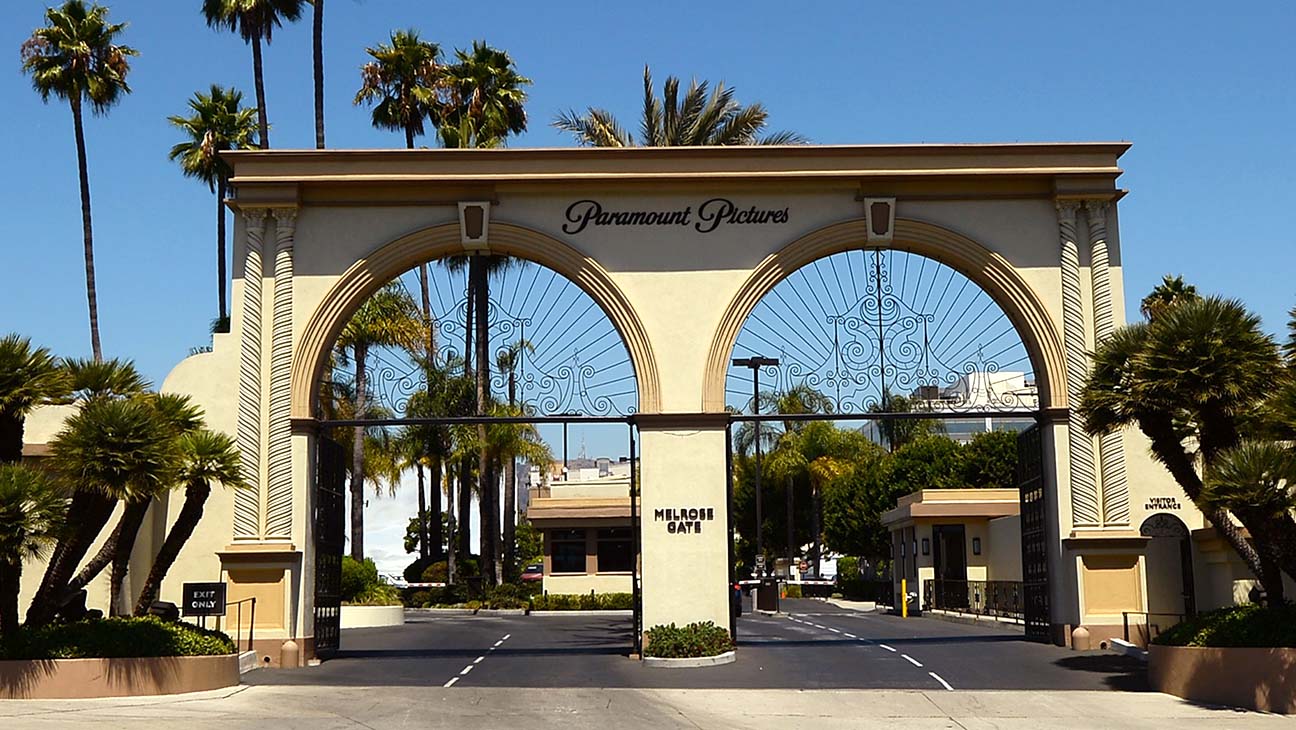
Hollywood's New Script: What the Paramount-Warner Bros. Discovery Merger Means for the Historic Studio Lot
The tremors from last week's colossal announcement – Paramount Skydance's acquisition of Warner Bros. Discovery – are still reverberating through Hollywood. While the industry grapples with the wider implications of this new media behemoth, one specific detail, hinted at in a recent Los Angeles Times report, has captivated imaginations and sparked intense debate: the future of the historic Paramount Studio Lot.
More than just a parcel of prime Los Angeles real estate, the Paramount Studio Lot is a crucible of cinematic history. Its sound stages and backlots have witnessed the birth of some of the most iconic films ever made. It's the hallowed ground where Francis Ford Coppola conjured the dark majesty of 'The Godfather,' where James Cameron charted the tragic romance of 'Titanic,' and where Tom Cruise has repeatedly defied gravity in the 'Mission: Impossible' franchise. To suggest changes to this sacred space is not merely a business decision; it’s a proposed rewrite of Hollywood's very foundational narrative.
A Merger's Shadow Over Sacred Ground
The acquisition, valued in the tens of billions, isn't just about consolidating content libraries or market share; it's about operational efficiencies, synergy, and, crucially, asset management. In the wake of such a massive deal, every asset, every square foot of property, comes under intense scrutiny. For Paramount, now integrated into a larger entity, the historic lot represents both an invaluable heritage and a potentially underutilized or costly asset in a new, leaner operational model.
The chatter, amplified by reports, suggests a range of possibilities, from significant modernization and infrastructure upgrades to more drastic measures like partial redevelopment or consolidation of certain production facilities. The sheer scale of the combined company means a vast portfolio of properties and production spaces. The question then becomes: how to optimize? Will it involve selling off underperforming assets, or reimagining existing ones to fit a new, streamlined vision?
The Clash of Commerce and Culture
This scenario immediately pits pragmatic business considerations against the powerful, almost spiritual, call of preservation. On one side are the executives and shareholders, focused on maximizing value, reducing overhead, and creating a more agile media giant ready to compete in a rapidly evolving landscape. The cost of maintaining aging infrastructure, the potential revenue from redeveloping portions of the lot for other uses – these are compelling arguments in a boardroom.
On the other side stand filmmakers, historians, preservationists, and the broader public who view these lots as living museums, irreplaceable touchstones to cinematic artistry. The idea of carving up or significantly altering a place so deeply ingrained in collective memory often elicits strong emotional reactions. Could a modern high-rise coexist harmoniously with the very same streets where Vito Corleone once walked? Or would it irrevocably diminish the lot's unique soul?
Future Implications: A Precedent for Hollywood?
Whatever decisions are made regarding the Paramount Lot will undoubtedly set a significant precedent. It will signal how the new, consolidated Hollywood values its past amidst a relentless push for future profitability. Will other historic studio lots, belonging to other legacy companies, face similar reviews in the coming years as media landscapes continue to shift and mergers become more commonplace?
The outcome at Paramount is not just a local story for Los Angeles; it's a barometer for the entire industry. It challenges the very definition of a 'studio' in the 21st century. Is it primarily a content factory, or is it also a custodian of a rich, tangible history? The answer, as it unfolds on the hallowed grounds of the Paramount Studio Lot, will be a defining chapter in Hollywood's ongoing, unscripted drama.