Beyond the Barrel: War-Proofing Your Budget in an Era of Volatile Geopolitics
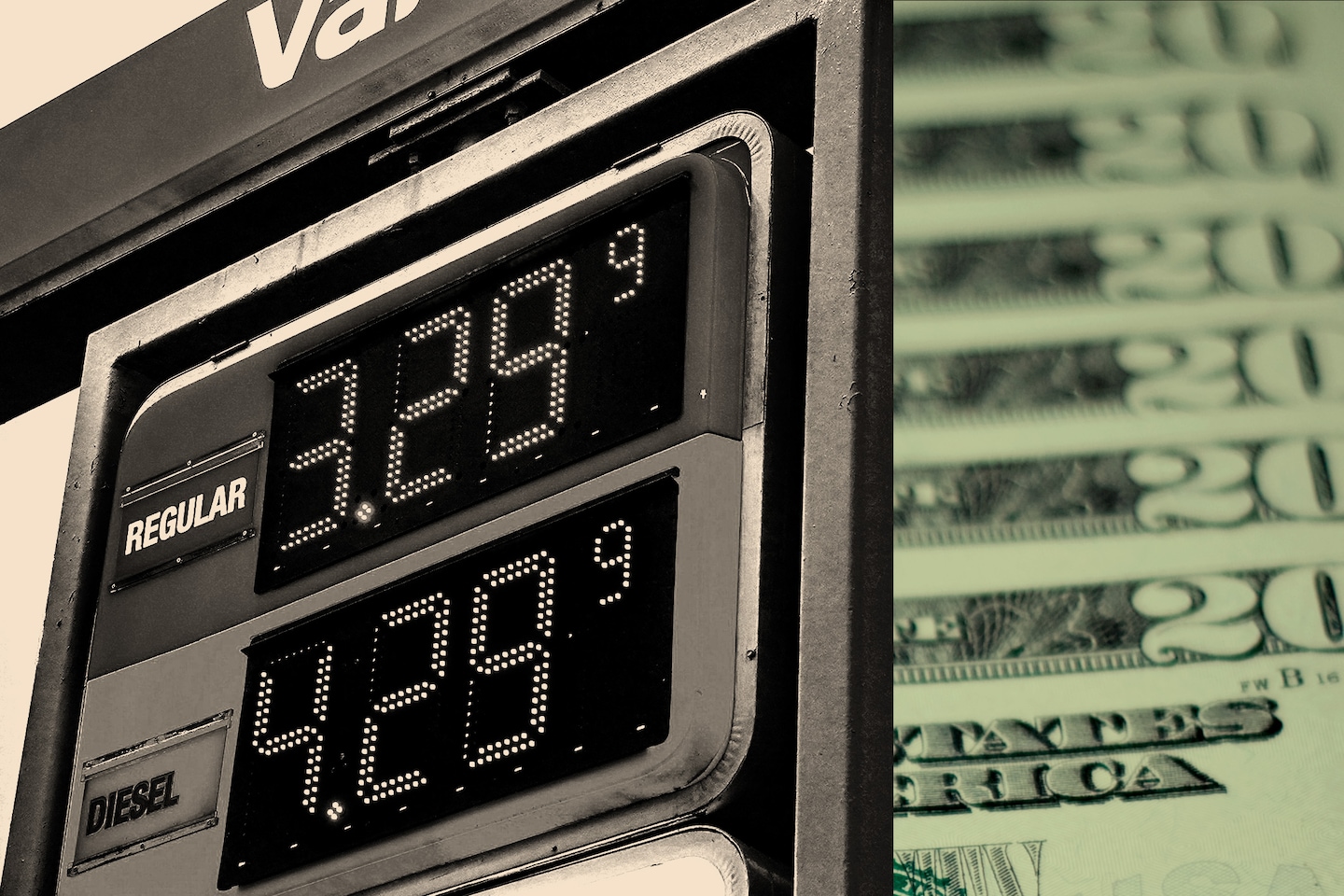
In a world increasingly shaped by distant conflicts, the ripple effects can often be felt much closer to home – specifically, in your wallet. As tensions escalate in the Middle East, driven by the complex interplay between Israel, Iran, and the Trump administration, the specter of $4-a-gallon gas is no longer a distant threat but a tangible possibility. While it may feel almost sacrilegious to discuss personal finance amidst profound human suffering, the reality is that prudent financial planning is not just a luxury; it's a critical tool for maintaining stability and predictability in uncertain times.
The Geopolitical Fuel Pump: Understanding the Connection
The link between Middle Eastern stability and global energy prices is direct and historically undeniable. Iran, a major oil producer, and a key player in regional conflicts, holds significant sway over crucial shipping lanes, particularly the Strait of Hormuz. Any perceived threat to these routes, or direct sanctions on Iranian oil exports, immediately sends shockwaves through the global crude market. These aren't just abstract political maneuvers; they translate directly to higher operational costs for every industry, from manufacturing to transportation, culminating in increased prices at the consumer gas pump.
Historically, every major conflict in the region has been accompanied by energy market volatility. What makes the current scenario particularly potent is the confluence of established regional rivalries with the unpredictable nature of international diplomacy under the Trump administration. The perceived fragility of the status quo amplifies market anxiety, pushing futures prices higher and leading analysts to forecast sustained increases in fuel costs.
Beyond the Tank: Broader Economic Implications
While the immediate concern for many is the cost of filling up their vehicle, the impact of sustained high energy prices extends far beyond individual transportation budgets. Higher fuel costs drive up the price of goods and services across the board. Supply chains become more expensive to operate, pushing up the cost of food, consumer goods, and even utilities. This inflationary pressure diminishes purchasing power, forcing households to make difficult choices and potentially stifling broader economic growth.
For businesses, particularly those reliant on shipping and logistics, increased fuel costs can squeeze profit margins, leading to potential layoffs or delayed investments. The ripple effect creates a climate of economic uncertainty that can dampen consumer confidence and investment, further exacerbating the challenges faced by average households.
Strategies for Financial Resilience: War-Proofing Your Budget
Given this volatile backdrop, how can individuals and families proactively safeguard their financial well-being? The goal isn't just to cut costs, but to build a more resilient budget that can absorb external shocks.
- Re-evaluate Transportation Habits: Consider public transport, carpooling, or even cycling for shorter distances. If working remotely is an option, maximize it. Consolidate errands to reduce trips. Even small changes can yield significant savings over time.
- Optimize Home Energy Consumption: Higher gas prices often correlate with overall energy market hikes. Insulate your home, upgrade to energy-efficient appliances, and be mindful of heating and cooling. Smart thermostats can offer significant savings.
- Scrutinize Discretionary Spending: Conduct a thorough review of your budget. Identify non-essential subscriptions, entertainment, or dining out expenses that can be temporarily scaled back. Redirect these savings towards essential needs or a dedicated emergency fund.
- Fortify Your Emergency Fund: In times of uncertainty, a robust emergency fund is paramount. Aim for at least 3-6 months of living expenses. This provides a crucial buffer against unexpected financial strains, including prolonged periods of higher costs.
- Address Debt Proactively: Focus on paying down high-interest debt, especially variable-rate loans. As economic uncertainty can lead to interest rate hikes, reducing your debt burden now can prevent future financial stress.
- Plan for Food Costs: Anticipate potential increases in grocery bills due to supply chain impacts. Meal planning, cooking at home, and buying in bulk (where sensible) can help mitigate these effects.
Conclusion: Empowerment Through Preparation
While the geopolitical landscape remains largely outside of individual control, your financial preparedness is not. By understanding the intricate links between global events and your personal finances, and by taking proactive steps to fortify your budget, you can significantly reduce vulnerability. War-proofing your budget isn't about hoarding or fear; it's about building resilience, ensuring predictability, and empowering yourself and your family to navigate an increasingly complex world with greater confidence and stability. In uncertain times, knowledge and preparation are your most powerful assets.