Tragedy Strikes Green Country: Unpacking Oklahoma's Devastating Storms and the Climate's Dire Warning
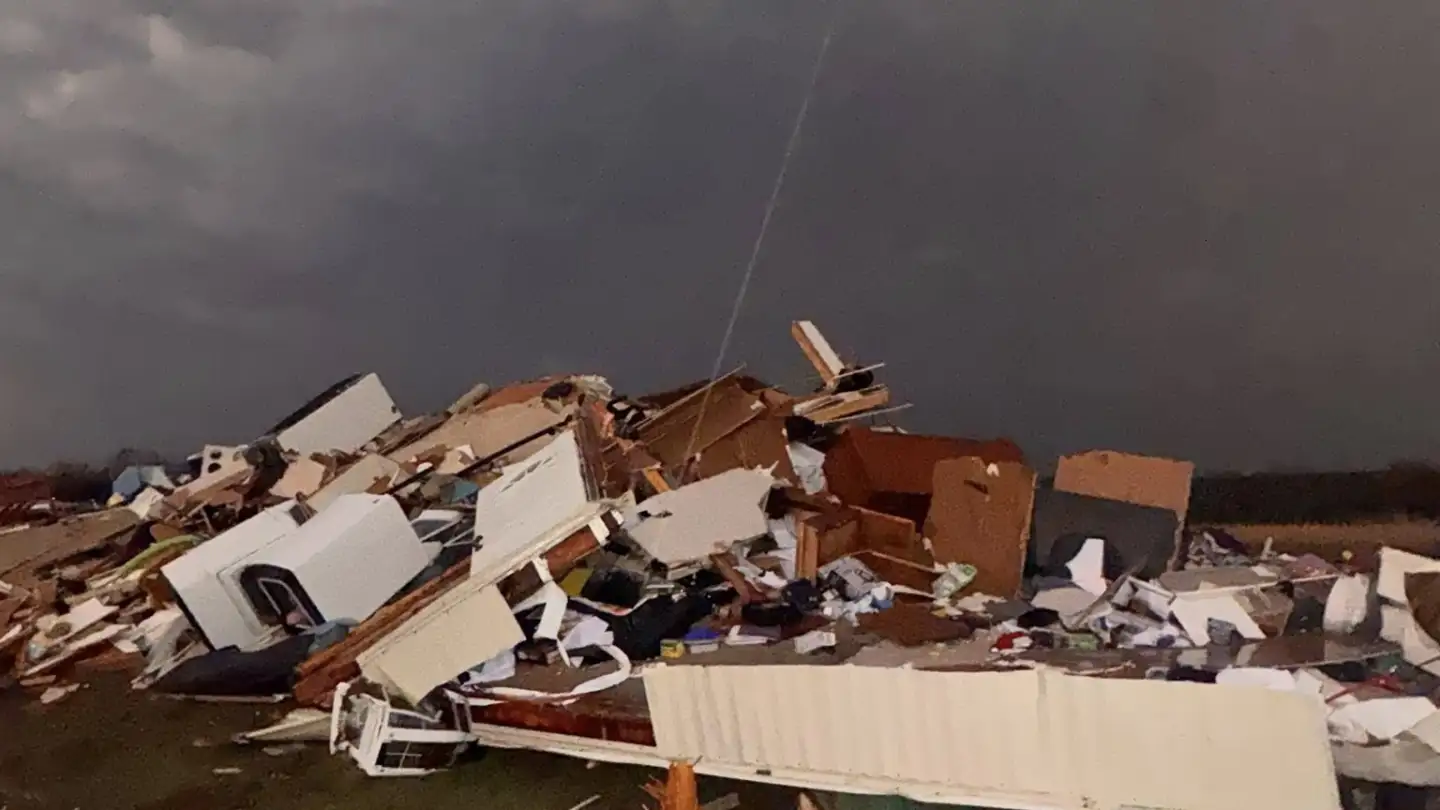
Northeast Oklahoma faced a night of unparalleled terror as severe storms ripped through Green Country, leaving a trail of destruction and claiming at least two lives. As a Tornado Watch remained active for parts of the region until the early hours, communities grappled with the immediate aftermath of hail, damaging winds, and the ever-present threat of tornadoes, highlighting the brutal reality of living in a volatile weather corridor.
A Night Under Siege: The Immediate Impact
The immediate hours were marked by frantic warnings and escalating danger. A Severe Thunderstorm Warning was issued for Adair, Cherokee, and Sequoyah Counties, signaling imminent threats of large hail and destructive winds. These warnings, often a soundtrack to Oklahoma nights, took on a grim significance as reports of fatalities emerged. For residents, it was a harrowing struggle against nature's fury, with the roar of the wind and the flash of lightning painting a terrifying picture of vulnerability.
The loss of two lives casts a long shadow over the affected communities. Beyond the statistics, these are individuals whose stories are tragically cut short, leaving families and friends to mourn amidst the chaos. Such human cost underscores the critical importance of timely warnings and robust emergency preparedness, yet it also serves as a stark reminder of the sheer unpredictability and overwhelming power of these meteorological phenomena.
Oklahoma's Predicament: Living in the Eye of the Storm
Northeast Oklahoma, nestled within the infamous "Tornado Alley," is no stranger to severe weather. However, the intensity and timing of these particular storms — striking in the dead of night — amplify their danger. The region's unique geography, where warm, moist air from the Gulf of Mexico collides with cool, dry air from the Rockies and hot, dry air from the desert southwest, creates a perfect breeding ground for supercell thunderstorms capable of producing violent tornadoes, large hail, and destructive straight-line winds.
This perpetual threat necessitates a culture of preparedness. From reinforced storm shelters to sophisticated warning systems, Oklahomans have learned to live with the risk. Yet, each new event tests the limits of resilience, raising questions about the efficacy of existing infrastructure and the psychological toll on communities that face such existential threats year after year.
Beyond the Immediate: Long-Term Repercussions and Climate Context
The immediate aftermath of these storms extends far beyond the human casualties. Infrastructure damage, including widespread power outages, downed trees, and damaged homes, will require significant resources for recovery. The economic impact on local businesses and agricultural sectors can be profound, hindering recovery efforts and prolonging the return to normalcy. Moreover, the psychological trauma experienced by survivors, witnessing their homes and communities ravaged, can linger for years.
In a broader context, these severe weather events are increasingly viewed through the lens of climate change. While no single storm can be directly attributed to a changing climate, scientific consensus suggests that global warming may be contributing to an increase in the frequency and intensity of extreme weather phenomena. Warmer atmospheric temperatures can hold more moisture, fueling stronger thunderstorms, and shifts in jet stream patterns could influence the occurrence and path of severe systems. For regions like Oklahoma, this implies a future where such devastating nights could become more common, demanding even greater adaptation and resilience strategies.
Building Resilience in a Changing World
As communities in northeast Oklahoma begin the painful process of assessment and recovery, the incident serves as a critical call to action. Investments in robust early warning systems, resilient infrastructure, and comprehensive public education campaigns are paramount. Developing and implementing advanced building codes that can withstand extreme weather, enhancing communication networks, and ensuring accessible community shelters are not luxuries but necessities.
Furthermore, broader discussions about climate change mitigation and adaptation strategies must continue at local, national, and international levels. While Oklahomans have long faced the brunt of nature's fury with unmatched resolve, the escalating threat demands innovative solutions and a collective commitment to protecting lives and livelihoods in an increasingly unpredictable world.
Conclusion: A Community's Strength Tested
The tragic events in northeast Oklahoma are a poignant reminder of humanity's enduring vulnerability in the face of nature's raw power. As the sun rises over devastated landscapes, the resilience of Green Country's communities will once again be tested. Yet, in their strength, their spirit, and their unwavering determination to rebuild, lies the enduring hope that even in the darkest of nights, light will ultimately prevail.