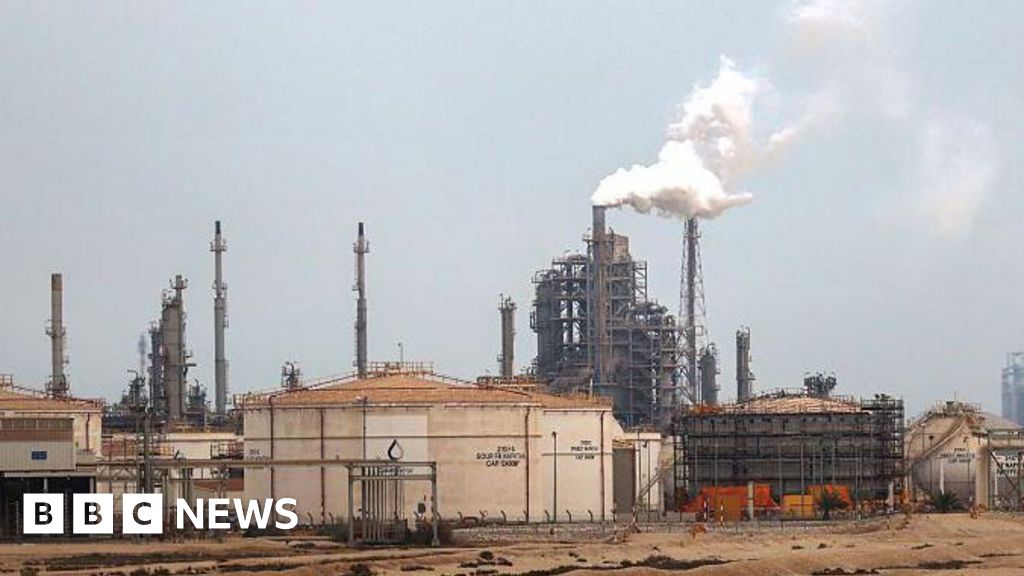
The global energy market is on edge following a stark warning from Qatar's Energy Minister, Saad al-Kaabi, that oil prices could skyrocket to $150 a barrel if the ongoing conflict involving Iran escalates. This ominous forecast, which has already pushed crude to a two-year high, highlights the fragility of global supply chains and the profound economic repercussions if the vital Strait of Hormuz were to be blocked, even temporarily.
The Strait of Hormuz: A Chokepoint for Global Commerce
Often dubbed the world's most critical oil transit chokepoint, the Strait of Hormuz connects the Persian Gulf with the open ocean. Through its narrow waters, an estimated one-fifth of the world's total petroleum consumption passes daily. Its strategic importance cannot be overstated, particularly for major crude oil importers like China, India, and Japan, whose industrial engines and vast populations are heavily reliant on stable and affordable energy supplies. Any significant disruption here is not merely a regional issue; it represents a global economic earthquake waiting to happen, threatening to send shockwaves through international markets and consumer households alike.
The $150 Barrel: A Catalyst for Global Inflation and Recession?
An ascent to $150 a barrel would trigger a cascade of severe economic challenges. Consumers worldwide would face significantly higher prices for fuel, directly impacting daily commutes and the cost of every good transported. This inflationary pressure would rapidly erode purchasing power, forcing households to cut back on discretionary spending, potentially dampening overall consumer demand and stifling economic growth. Industries reliant on energy-intensive processes, from manufacturing and transportation to agriculture and chemicals, would see their operational costs soar, threatening profitability, investment, and ultimately, employment.
For the world's top crude importers – including China, the world's largest importer; India, the third-largest; and Japan, another major consumer – the impact would be devastating. Their industrial engines could sputter, supply chains would seize up as logistics costs become prohibitive, and national economies would face severe downturns. The ripple effect would extend to every corner of the globe, making everything from daily groceries and electricity bills to international shipping and raw materials exponentially more expensive.
The Iran Factor: A Region on Edge
Minister al-Kaabi's urgent warning is directly tied to escalating geopolitical tensions involving Iran. While specific details of the conflict's progression are fluid, the threat of maritime blockades or disruptions in this vital waterway has historically been a flashpoint. The international community watches closely, understanding that a misstep or miscalculation could plunge the world into an energy crisis reminiscent of past oil shocks, but with potentially graver and more far-reaching consequences given today's intricately interconnected global economy.
Navigating the Uncharted Waters Ahead
The immediate future hinges precariously on diplomatic efforts to de-escalate regional tensions and ensure the continued, free flow of commerce through the Strait of Hormuz. However, this crisis also underscores the urgent need for long-term energy diversification strategies and the development of robust strategic petroleum reserves globally. While individual nations can take unilateral steps to mitigate the immediate impact, the sheer scale of the potential disruption demands a coordinated and multilateral international response.
As NovaPress, we will continue to monitor this developing situation closely, providing our readers with in-depth analysis of the geopolitical maneuvers and their unfolding economic fallout. The warning from Qatar is not just about oil prices; it's a stark reminder of the delicate balance that underpins global prosperity and the ever-present threats to its stability and security.