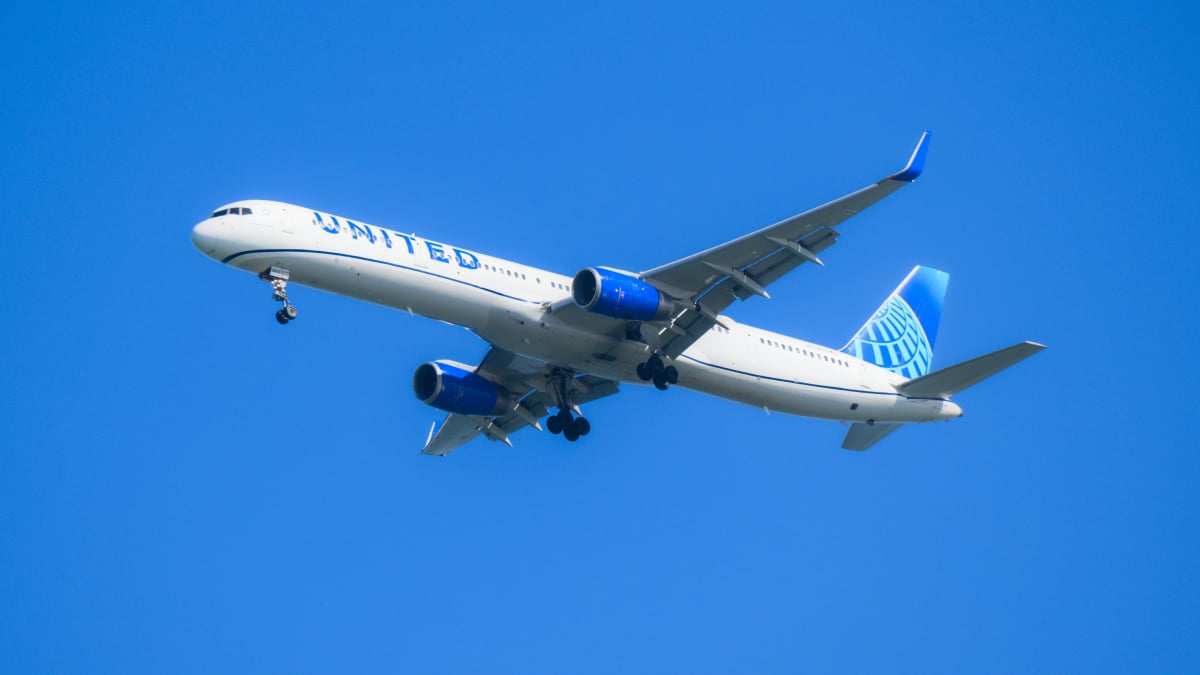
The friendly skies have long been a battleground for comfort and consideration, where the cacophony of personal entertainment devices often shatters the serenity desired by many. Now, United Airlines is taking a bold, some might say drastic, step to reclaim quietude, announcing its prerogative to remove and ban passengers who refuse to use headphones for their audio needs. This move, initially reported by Mashable, signals a significant shift in airline policy and opens a Pandora's box of questions about passenger rights, operational realities, and the future of inflight etiquette.
Airlines vs. Audio Annoyance: A Persistent Problem
For years, the incessant tinny sound of mobile games, blaring movie dialogue, or pulsating music from a fellow traveler's device has been a top complaint among airline passengers. While airlines generally advise courteous behavior, outright enforcement against audio indiscretion has been rare and inconsistent. The rise of smartphones, tablets, and other personal entertainment systems, coupled with declining demand for seat-back entertainment, has exacerbated this issue, transforming many cabins into a medley of competing soundtracks. United's new stance isn't just a suggestion; it's a policy backed by the ultimate deterrent: removal from the flight and a potential ban from future travel.
The Policy's Deep Dive: Authority, Enforcement, and Ambiguity
At its core, this policy asserts the airline's authority over the cabin environment, framing disruptive audio as a safety or comfort issue that impacts the overall passenger experience. Airlines possess broad powers to refuse service to passengers who pose a threat or are disruptive. United is effectively classifying the refusal to use headphones as disruptive behavior.
However, the practicalities of enforcement present a complex challenge. How will "loud" be defined? Will flight attendants be tasked with monitoring individual audio levels, adding another layer to their already demanding roles? Will there be specific warnings, or will removal be immediate? The lack of specific guidelines could lead to subjective enforcement, potentially sparking disputes and further onboard tensions between passengers and crew. Moreover, the policy raises questions about passengers with hearing impairments or those who might genuinely struggle with headphones due to sensory issues – though most policies usually include provisions for reasonable accommodations.
Passenger Rights vs. Collective Comfort: A Delicate Balance
This move ignites a classic debate: individual freedom versus collective well-being. Proponents of the policy will cheer for the prospect of a quieter cabin, a sanctuary from unwanted noise. For those weary travelers seeking a moment of peace, United's policy could be a game-changer, elevating the travel experience.
On the flip side, critics might view this as an overreach of corporate power, questioning the extent to which an airline can dictate personal habits not directly tied to safety. While few would argue against basic courtesy, the threat of being banned from an airline for not wearing headphones could feel disproportionate to some, especially if the "offense" is perceived as minor. It forces passengers to comply with a specific mode of consumption for their personal entertainment, rather than merely asking for consideration.
Future Implications: A Precedent for the Industry?
United's bold move could set a significant precedent for the wider airline industry. If successful in reducing complaints and fostering a more pleasant environment, other major carriers might be compelled to adopt similar strict policies. This could usher in a new era of cabin etiquette, where silence becomes a more heavily enforced commodity.
Beyond headphones, this policy hints at a broader trend of airlines asserting more control over the passenger experience, potentially extending to other 'disruptive' behaviors that are not necessarily safety hazards but significantly impact comfort. Could we see limitations on loud conversations, video calls, or even specific types of games without headphones?
Ultimately, United's headphone mandate is more than just a new rule; it's a social experiment conducted at 30,000 feet. Its success will hinge on clear communication, consistent and fair enforcement, and passenger acceptance. The airline industry is watching, and the outcome will undoubtedly shape how we fly, and how we behave, for years to come. The era of personalized peace on planes may finally be upon us, but not without navigating the complex airspace of individual liberties and collective expectations.