The geopolitical chessboard of the Middle East is perpetually fraught with tension, yet recent declarations by figures like Pete Hegseth, suggesting the U.S. is "just getting started" in the Iran conflict, present a chilling paradox when juxtaposed with the seemingly unperturbed global oil markets. On Wednesday, crude prices remained largely flat, albeit still elevated, as traders attempted to reconcile a flurry of developments in what many are now openly referring to as the "Iran War." This apparent market composure, however, may be the calm before a much larger storm, underscoring a complex interplay of supply, demand, and risk assessment that demands deeper scrutiny.
The Shifting Sands of Conflict: Defining "Iran War"
To understand the current dynamic, one must first define the evolving nature of the "Iran War." This isn't a conventional, declared conflict but rather a protracted shadow war, characterized by proxy battles, naval skirmishes, cyber attacks, and economic sanctions. From Houthi attacks on Red Sea shipping lanes—supported by Iran—to ongoing tensions in the Strait of Hormuz, and various regional flashpoints involving Iranian-backed militias, the U.S. and its allies are engaged in a multifaceted, undeclared confrontation. Hegseth's commentary, likely reflecting sentiments within certain hawkish circles, signals a potential shift from containment and deterrence to a more direct or intensified approach, raising the stakes significantly.
Oil's Unflappable Façade: A Market Anomaly?
The perplexing flatness of oil prices in the face of escalating rhetoric and regional instability requires a closer look. Historically, any hint of conflict in the Middle East, particularly involving a major oil producer like Iran and critical shipping chokepoints, would send crude prices soaring. Several factors contribute to this current market anomaly:
- Global Supply Buffers: Despite OPEC+ cuts, non-OPEC supply, particularly from the U.S. shale boom, has provided a significant buffer. Strategic petroleum reserves, though depleted, still exist, and the perception of ample global supply can mute immediate price spikes.
- Demand Concerns: Persistent concerns over the health of the global economy, particularly a slowdown in China and potential recessions in other major economies, weigh heavily on demand forecasts. Traders may be betting that any supply disruption could be offset by weaker consumption.
- Market Desensitization: The sheer frequency and prolonged nature of Middle Eastern crises might have led to a degree of market desensitization. Unless a truly catastrophic event occurs, traders may view current escalations as part of a familiar, albeit dangerous, geopolitical backdrop.
- The "Risk Premium" Ceiling: While elevated, current oil prices already embed a certain "risk premium" associated with Middle Eastern instability. Traders might believe that much of the foreseeable risk is already priced in, and only a direct, large-scale confrontation would justify a significant further jump.
- Speculation and Hedging: Sophisticated financial instruments allow for hedging against geopolitical risks, potentially dampening spot price volatility in the short term.
The Path Ahead: Future Implications and Unseen Risks
Despite the current market composure, the implications of a "just getting started" approach by the U.S. are profound. A more aggressive stance could:
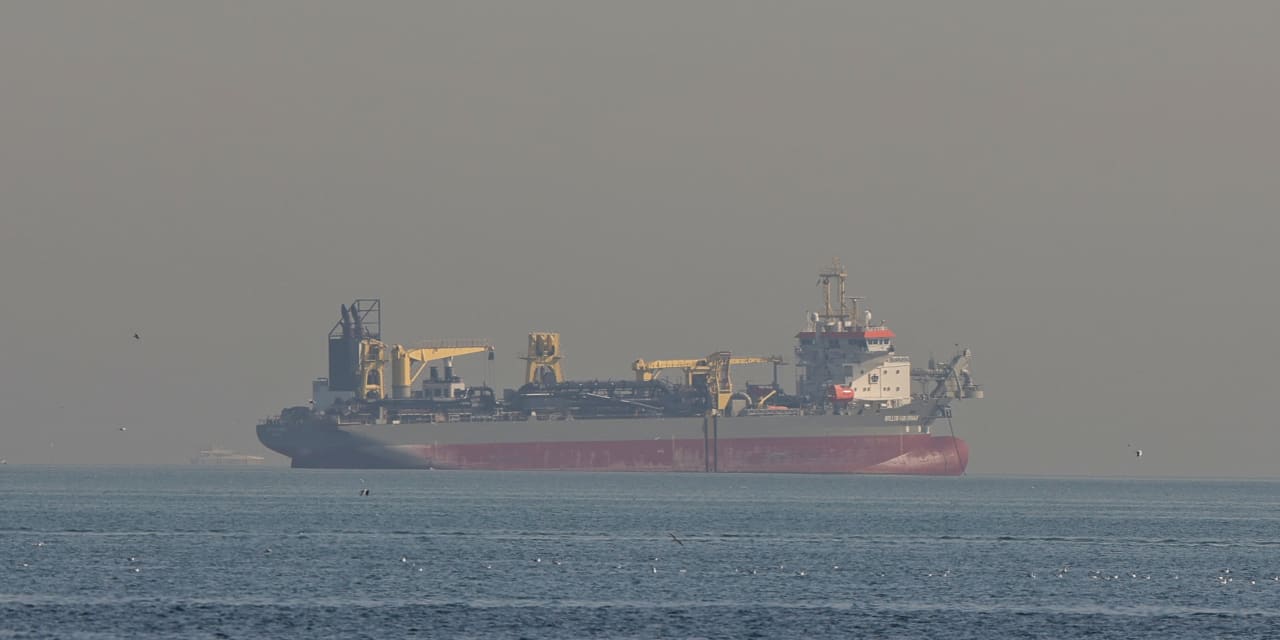
- Threaten Shipping Lanes: Direct confrontation could lead to blockades or attacks in the Strait of Hormuz, through which a significant portion of the world's oil transits, instantly triggering a massive oil price shock.
- Regional Escalation: What begins as a limited engagement could quickly spiral, drawing in other regional and international actors, creating an unpredictable and devastating wider conflict.
- Economic Fallout: Higher energy costs would fuel inflation, impede economic growth, and potentially trigger a global recession, impacting supply chains and consumer spending worldwide.
- Political Ramifications: Such a conflict would undoubtedly have significant political consequences both domestically in the U.S. during an election year and internationally, reshaping alliances and global power dynamics.
The current stability in oil prices, therefore, should not be mistaken for security. It is a precarious balance, maintained by a complex web of market forces and geopolitical calculations. Hegseth's warning, combined with the underlying tensions, suggests that the global economy is standing on the precipice, assessing a dangerous game of poker where the stakes are astronomical. The real question is not if the cards will be played, but when, and what the true cost will be.