The Unsettling Calm: Why Financial Markets Are Shrugging Off Geopolitical Conflict (For Now)
By NovaPress Editorial Board
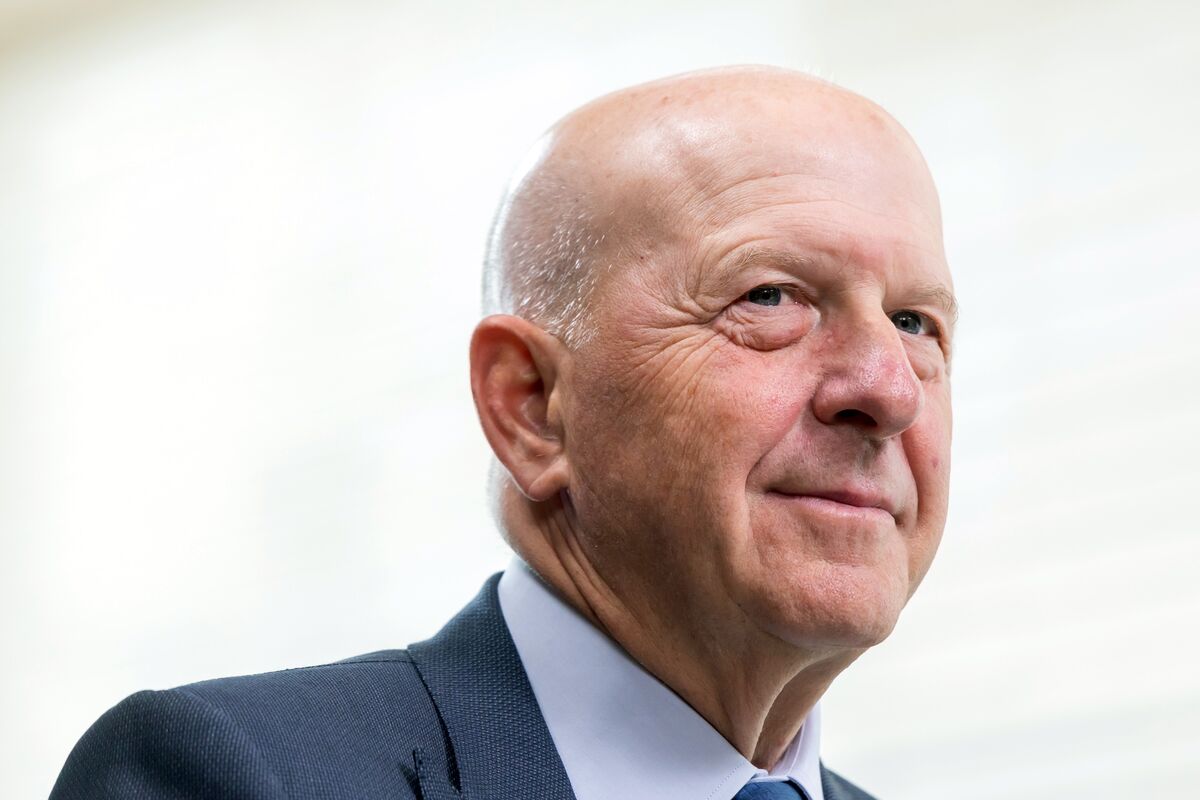
In a world increasingly accustomed to swift and often dramatic market reactions to geopolitical tremors, a recent observation from a towering figure in global finance has sparked considerable discussion. David Solomon, Chairman and CEO of Goldman Sachs Group Inc., publicly expressed his surprise at the "benign" reaction in financial markets to the burgeoning conflict in the Middle East. His candid admission highlights a peculiar paradox: while humanitarian concerns mount and diplomatic efforts intensify, the financial world, particularly equities, has largely maintained its composure.
Solomon's Surprise: A Historical Anomaly?
Solomon's bewilderment isn't without merit. Historically, significant geopolitical events, especially those involving critical regions like the Middle East, have often triggered immediate and volatile responses. Investors typically brace for impact, leading to a flight to safety (e.g., government bonds, gold), spikes in commodity prices (especially oil), and broad sell-offs in risk assets. The current conflict, while devastating locally, has yet to manifest these traditional market anxieties on a global scale. This raises a fundamental question: Is this a sign of market resilience, or something more concerning?
Decoding the "Benign" Reaction: Several Theories Emerge
Several theories attempt to explain this unexpected market placidity:
- Geographic Containment (For Now): Despite its intensity, the conflict has largely remained localized. Investors may be betting on, or at least hoping for, its containment, preventing wider regional destabilization that could impact global trade routes or energy supplies. This fragile optimism could, however, quickly dissipate if the conflict escalates or draws in more significant regional powers.
- Desensitization to Poly-Crisis: The past few years have bombarded markets with one crisis after another—a global pandemic, the war in Ukraine, persistent inflation, and rising interest rates. It's plausible that investors have developed a certain desensitization, viewing each new crisis as another factor to be navigated within an already complex and volatile landscape, rather than a singular, market-altering event.
- Focus on Core Economic Fundamentals: While geopolitical risks loom, market participants might be more heavily weighting factors like corporate earnings, central bank interest rate policies, and global growth forecasts. In this view, unless the conflict directly threatens these core economic drivers, it remains a secondary concern.
- Lag Effect and Underpricing Risk: Solomon himself noted it would take "weeks to understand more about the situation." This suggests that the current calm might be the quiet before a storm. Markets are notoriously forward-looking, but they can also be slow to fully price in complex, evolving risks. There's a tangible risk that the market is currently underpricing the potential for escalation and its broader economic ramifications.
The Looming Specter of Escalation and Economic Fallout
While the immediate reaction has been subdued, the underlying risks are substantial. Any broadening of the conflict could have cascading effects:
- Energy Price Shocks: The Middle East remains a critical source of global energy. Significant disruption to oil production or shipping routes could send crude prices soaring, reigniting inflationary pressures globally and complicating the fight against rising costs for central banks.
- Supply Chain Interruptions: While less direct than in other conflicts, an expanded conflict could still disrupt maritime trade through key choke points, leading to new supply chain bottlenecks and increased costs.
- Investor Sentiment Shift: The current "benign" sentiment could swiftly turn into panic if the situation deteriorates, leading to rapid capital flight from riskier assets and increased market volatility.
David Solomon's "surprise" serves as a stark reminder that market calm is not synonymous with an absence of risk. The relative placidity observed thus far may be a temporary phenomenon, a testament to the market's current focus on other drivers, or perhaps a dangerous complacency. As the situation in the Middle East continues to unfold, investors and policymakers alike must remain vigilant, understanding that the true economic reverberations often take time to fully materialize, and a benign reaction today does not guarantee tranquility tomorrow.