Geopolitical Tensions Rock Wall Street: Unpacking the U.S.-Iran Standoff's Economic Fallout
By NovaPress Editorial Board | Exclusive Analysis
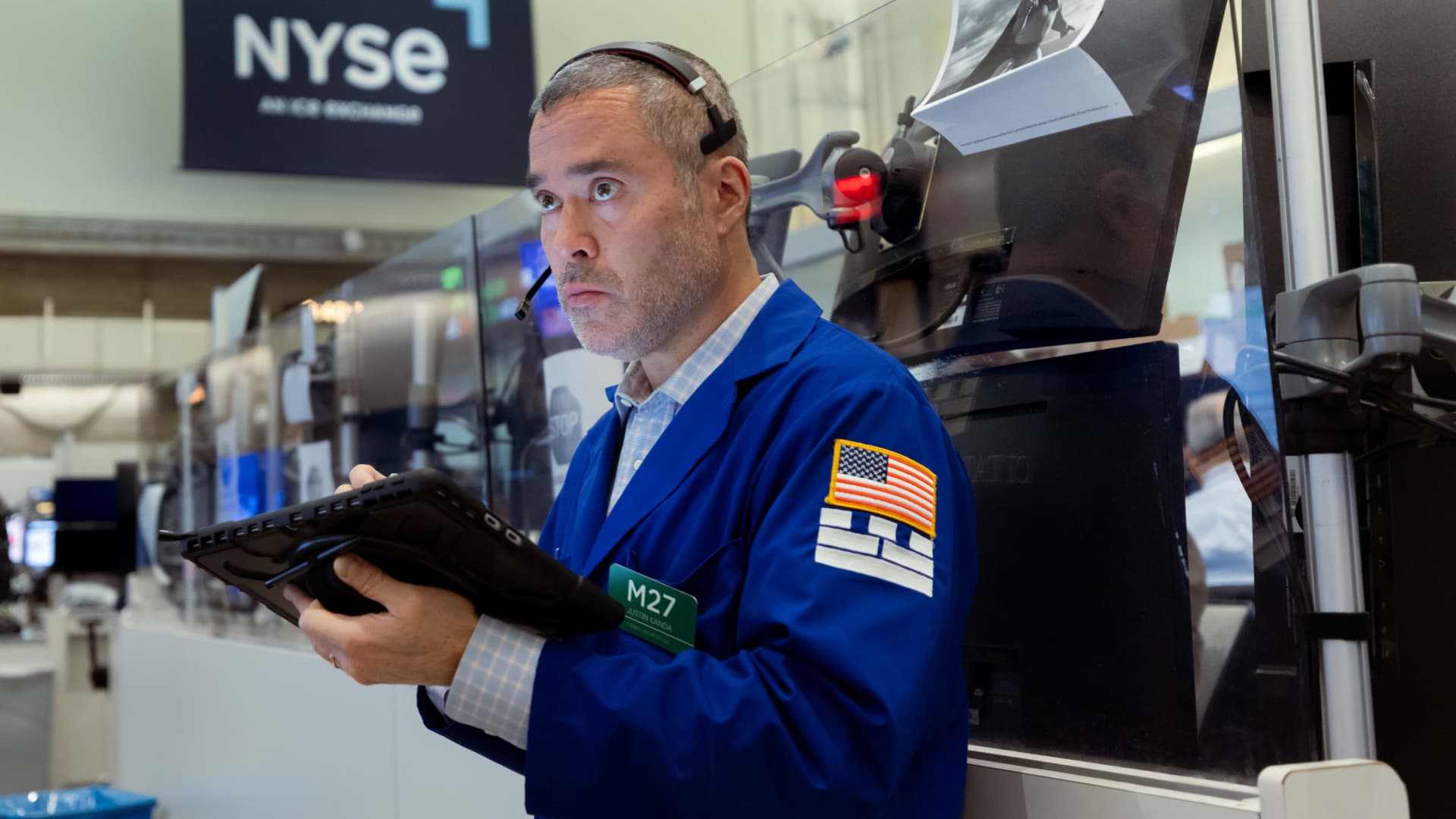
The global financial markets are once again proving their inherent sensitivity to geopolitical shifts, as evidenced by a tumultuous trading session that saw U.S. equities plummet, then partially recover, amidst escalating tensions between the United States and Iran. What began as a precipitous decline, with the Dow Industrials shedding over 1,200 points at its low, ended Tuesday's session down 'only' just over 400 points. This dramatic swing underscores the profound uncertainty gripping investors as they grapple with the potential economic ramifications of a deepening conflict.
A Volatile Landscape: The Immediate Market Reaction
The immediate aftermath of the heightened U.S.-Iran rhetoric was a sharp sell-off across the board. Stock futures for the Dow Jones Industrial Average, S&P 500, and Nasdaq 100 all registered declines Tuesday night, following a day of significant intra-day volatility. This knee-jerk reaction is typical when geopolitical risks emerge, as traders rush to de-risk portfolios and move into perceived safe-haven assets like gold, yen, and U.S. Treasuries.
The fear factor is multifaceted. Beyond the immediate threat to oil supplies and shipping routes in the Middle East – which alone can trigger significant inflation and supply chain disruptions – there's the broader concern about global economic stability. Investor confidence, a crucial driver of market performance, erodes rapidly when the specter of conflict looms large. Businesses face increased uncertainty regarding future demand, operational costs, and investment climate, leading to a cautious stance that can stifle growth.
The Geopolitical Undercurrent: Why U.S.-Iran Tensions Matter to Your Portfolio
The current friction is not an isolated incident but a continuation of a long-standing complex relationship. Recent escalations, however, have introduced a new layer of unpredictability. Any direct confrontation or prolonged proxy conflict in the Strait of Hormuz, a vital chokepoint for a significant portion of the world's oil supply, could send crude prices skyrocketing. Such a scenario would act as a massive tax on global consumers and businesses, impacting everything from transport costs to manufacturing expenses.
Furthermore, the geopolitical chessboard extends beyond oil. Sanctions, cyber warfare, and regional destabilization can disrupt international trade, impact multinational corporations with significant exposure to the region, and even divert governmental resources from economic initiatives to defense spending. The interconnectedness of the global economy means that a crisis in one region can send ripples across continents, affecting sectors from aviation to technology.
Historical Precedent and Future Implications
History offers numerous examples of markets reacting to geopolitical events, from the Cuban Missile Crisis to the Gulf Wars. While each situation is unique, a common theme is an initial shock followed by a period of reassessment. Markets often recover once the full scope of the situation is understood, or if a de-escalation path becomes clear. However, prolonged uncertainty or direct military engagement can lead to sustained market downturns.
Key Economic Vulnerabilities:
- Energy Prices: A direct threat to oil production or transit routes could trigger significant spikes.
- Supply Chains: Regional instability can disrupt shipping and manufacturing, especially for industries reliant on global components.
- Investor Confidence: Uncertainty leads to capital flight from riskier assets and delayed investments.
- Sectoral Impact: Airlines, tourism, and energy-intensive industries are particularly vulnerable. Defense sectors might see a boost.
Looking ahead, investors will be closely monitoring diplomatic efforts, statements from key political figures, and any military maneuvers. Central banks may also find themselves in a delicate position, balancing inflation concerns (driven by potential oil price hikes) with the need to support economic growth in a climate of uncertainty. For businesses, scenario planning and diversification of supply chains become paramount.
Navigating the Turbulence: What Investors Can Do
In times of heightened volatility, a calm and strategic approach is crucial. Diversification across asset classes, a focus on fundamentally strong companies, and avoiding panic selling are generally recommended. Investors might also consider defensive sectors or assets that traditionally perform well during uncertainty, though professional financial advice should always be sought before making significant investment decisions.
The dramatic Tuesday session serves as a stark reminder: the world's economies are inextricably linked to its geopolitical landscape. As the U.S.-Iran situation continues to unfold, its reverberations will undoubtedly be felt across trading floors and balance sheets worldwide, demanding vigilance and adaptability from all market participants.